


 Français
  English (UK)
  Русский
  বাংলা
বাংলা  العربية
  日本語
日本語  한국어
한국어  Magyar
  Norsk nynorsk
  Türkçe
  עִבְרִית
  Español
  Čeština
  Svenska
  Português
  Ελληνικά
  Suomi
Suomi  Nederlands
  Română
  Italiano
  Polski
  Українська
  Deutsch
  简体中文
简体中文  Slovenčina
  Српски језик
  اردو
اردو  Azərbaycan dili
  O‘zbekcha
  አማርኛ
አማርኛ 
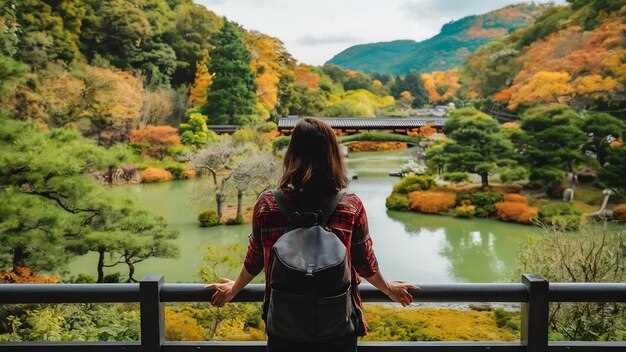
Japan, an archipelago rich in culture and natural beauty, offers a vast range of hiking opportunities that are often overlooked. For passionate hikers and writers alike, the need to explore beyond the major trails makes this destination unique. With spring in full bloom, the colors of cherry blossoms and waterfalls provide an authentic backdrop for those seeking adventure. With the release of Lonely Planet’s guide on the best day walks, there has never been a better time to discover the smaller, lesser-known paths that connect towns between prefectures like Misen and Hakusan.
The insightful guide presents actionable tips, maps, and skills required for a successful hike. It makes certain that both novice and experienced hikers can find trails suited to their needs, all while monitoring the potential crowds that might limit your experience. Whether you are looking to climb mountains or meander through temples, these paths offer a great range of experiences that fuel the spirit of exploration.
As Japan’s hiking scene continues to transform, the infrastructure supporting it is revolutionizing the way hikers interact with nature. The flexibility of these trails allows individuals to progress at their own pace, while still providing essential information about the limits of each route. In this review, we will delve into the core elements of these day walks and highlight why it’s worth venturing off the beaten path, beyond the typical tourist spots, to discover Japan’s hidden gems.
Unveiling Japan’s Scenic Trails
Japan’s landscapes are a canvas of natural beauty, and its trails offer trekkers an authentic experience that seamlessly combines culture and adventure. From the iconic Nakasendo route to the majestic climbs of Nantai-san, there is something for everyone, regardless of skill level. These trails not only take you through picturesque villages but also lead to some of the country’s most revered temples and shrines.
The impact of hiking in Japan can be profound, as it allows individuals to connect with nature and history. For example, the ascent of Daimonji-yama provides a stunning glance at Kyoto’s skyline while ensuring an enriching experience for climbers. In contrast, Hokkaido’s Shiretoko National Park offers rare sightings of wildlife, making each trek a unique event worth monitoring. The blend of scenery and cultural significance creates a chemistry that draws trekkers back month after month.
As we delve into the various paths, it’s essential to recognize the varying degrees of difficulty each trail presents. Some paths, such as those leading to serene lakes and lush forests, are slightly less demanding, making them perfect for a leisurely stroll. In contrast, more challenging routes require careful planning and awareness of weather forecasts, as conditions can change rapidly, increasing the risk for less experienced hikers.
The largest archipelago of Japan houses these treasures, inviting pioneers to discover a world filled with history and beauty. From Kurama’s hot springs at the end of its trail to encounters with local wildlife, each step offers an opportunity to engage with the environment. Thus, whether you’re a seasoned trekker or just starting out, Japan’s scenic trails beckon with the promise of adventure and connection to the land.
What Makes a Trail Worth Exploring?
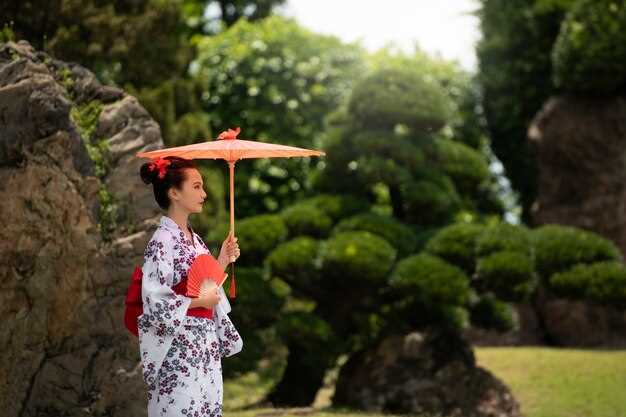
When considering a hike, certain elements can significantly enhance the experience and make a trail truly worth exploring. First and foremost, the terrain plays a pivotal role. A trail that showcases diverse landscapes, like the rugged pathways of the Nakasendo or the mountainous routes near Misen, can provide visitors with fresh perspectives. The blend of scenic beauty and challenging conditions adds excitement and variety to each journey.
Additionally, exploring relatively untouched areas like Shiretoko can provide a sense of solitude, allowing hikers to connect with nature in a way that feels both real and rejuvenating. Trails that take you through vibrant towns or offer glimpses of local culture can also enhance your experience. The chemistry between nature and human ingenuity, showcased through well-constructed paths and infrastructure, facilitates a more enjoyable hike.
Growing technologies, especially digital tools, revolutionize the way we plan our hikes. Modern apps allow for easy checking of trail conditions, which can mitigate risks and enhance comfort–especially during humid summer months like August. Innovative partners in the hiking community also contribute to this transformation, offering insights that make planning trips smoother.
Finally, spending time on a trail that suits your personal interests and fitness level creates a memorable adventure. Whether you’re looking for a leisurely stroll along a paved pathway or a challenging ascent in a mountainous region, it’s essential to find paths that align with your desires. With countless possibilities waiting to be discovered, each trail can cater to different preferences, making them worth the exploration.
Top 5 Less-Known Day Walks in Japan
Japan’s breathtaking terrain offers more than just popular tourist trails. For avid trekkers seeking an insightful escape from the crowded paths, here are five less-known day walks that provide a real glimpse into the country’s natural beauty and cultural richness.
1. Kurama to Kibune: Nestled in the northern part of Kyoto, this enchanting trail takes you from the village of Kurama through lush forests to Kibune, a scenic spot known for its riverside dining. The orange hues of spring foliage make it a particularly wise choice for those looking to enjoy the seasonal migration of colors. Take your time and let the breathtaking views transform your spirit.
2. Mitake Mountain: Located just outside Tokyo, Mitake Mountain offers a smart escape for travelers looking to stay informed about Japan’s natural wonders. The trek up to the peak is managed well, allowing trekkers to navigate various terrains with flexibility. Despite its proximity to the metropolis, this area remains a less-traveled option, making it a hidden gem for a peaceful excursion.
3. Nakasendo Way: This ancient trade route connects Kyoto and Edo (now Tokyo) and provides an insightful look at historical migration paths. Although certain segments are popular, there are lesser-known portions that let travelers immerse themselves in the real experience of Japan’s past. The highlights include quaint post towns where you can check out local food delicacies while enjoying the serene backdrop.
4. Kōgen Plateau: Situated in the mountainous region of Nagano, the Kōgen Plateau presents breathtaking views and diverse wildlife, making it an ideal choice for nature lovers. The terrain here is particularly rewarding for those equipped with smartphones to document their journey. The plateau is a lesser-known treasure that’s worth visiting for its stunning landscapes and tranquil atmosphere.
5. Oki Peninsula: Off the northern coast of Honshu, the Oki Peninsula features rugged coastline and remote hiking trails that remain untouched by the industrys of mass tourism. This destination is perfect for solo travelers and small groups seeking unique networking opportunities. Its isolation allows for real exploration and connection with the natural environment, ensuring a fulfilling day walk away from the everyday chaos.
Seasonal Considerations for Hiking in Japan
When planning your hikes in Japan, understanding seasonal variations is crucial for an enjoyable experience. Each of the four seasons offers unique opportunities and challenges that can affect your trek.
- Printemps (Mars à Mai) :
Spring is ideal for hiking, with mild temperatures and blooming cherry blossoms. Popular routes, such as the Nakasendo and trails through Kumano, are particularly picturesque during this time. However, it’s essential to start planning early as weekends tend to be busy with locals and tourists alike.
- Été (Juin à Août) :
Summer hiking can be hot and humid. While some trails near lakes, like Lake Mitake, provide cooling breezes, it’s advised to hike early in the morning and seek shaded areas. Remember to stay hydrated and consider visiting onsen for relaxation after long treks. August can be particularly crowded, so flexibility in your plans is recommended.
- Automne (septembre à novembre) :
Autumn showcases Japan’s vibrant foliage, making it an excellent time for hiking. Trails alongside shrines and in mountainous areas offer spectacular views. The weather is usually stable, but it’s wise to be cautious of potential typhoons in September.
- Hiver (décembre à février) :
Winter hikes can be challenging due to snow and icy conditions. However, paths like those in Kurama provide a tranquil setting. Make sure to gear up properly, as infrastructure may not always be maintained in harsh conditions. On less traveled trails, consider using technologies like smartphones or IaaS platforms to navigate safely.
Being aware of the seasonal characteristics will ensure that you maximize your trekking experience. Choose routes that match your comfort level and enjoy the rich natural beauty and authenticity Japan offers throughout the year.
Essential Gear for Day Walks
When planning day walks to discover Japan’s hidden gems, having the right gear is essential. Whether you’re exploring the enchanting trails around the sacred shrines of Misen or navigating the rugged terrains of Shikoku, the right equipment can enhance your experience and ensure comfort and safety.
Investing in quality hiking shoes is crucial. A comfortable pair will provide the necessary support and grip, especially as you tackle both the charming mountain paths and the more difficult areas during your journey. Additionally, lightweight, moisture-wicking clothing will help regulate body temperature while allowing for easy stretching during your hikes.
A well-stocked backpack is a key component that should cater to your needs. It should include a water reservoir or on-demand hydration system to keep you powered throughout the day. Snacks like local Japanese food options provide an energy boost, which is particularly beneficial during the long half-day hikes.
During the autumn months, a light, packable jacket is essential for dealing with the fluctuating temperatures that Japan can have. With the scenery highlighted by vibrant foliage, staying dry and warm will allow you to enjoy the breathtaking views without distraction.
For those hiking with children, consider their needs as well. Having a kid-friendly trail app can offer them insights, turning the hike into an engaging experience, and motivating them to explore the beautiful landscapes. This can create a chemistry that encourages a lifelong love for exploring nature.
| Gear Item | Description |
|---|---|
| Hiking Shoes | Sturdy and comfortable footwear that offers good grip and support. |
| Sac à dos | Lightweight and durable, with compartments for hydration and snacks. |
| Clothing | Moisture-wicking and breathable layers for comfort and temperature regulation. |
| Packing Jacket | Water-resistant and lightweight for protection against changing weather. |
| Trousse de premiers secours | Basic supplies for minor injuries to ensure safety during the walk. |
In the future, as you embark on each adventure across Japan’s captivating landscapes, remember that the right gear can transform a good experience into an extraordinary one. With thoughtful planning and proper equipment, you can manage the challenges on the trail, stay comfortable, and truly appreciate the beauty Japan has to offer. Leveraging modern technologies, you can enrich your encounters and create lasting memories beyond the usual tourist crowds. Happy hiking!
Local Cuisine to Try Along the Trails

As you embark on self-guided walks through Japan’s stunning landscapes, exploring local cuisine becomes a delightful part of the experience. Along various paths, especially in regions like Shiretoko and Hakusan, you will have the opportunity to taste flavors that reflect the unique geography and culture of the area. From the shores of large lakes to the smaller trails leading to ancient temples, the culinary offerings cater to a wide range of preferences.
In southern Japan, particularly starting in August, visitors often find themselves savoring fresh seafood dishes that highlight the area’s abundant marine life. The orange hues of grilled fish or the colorful presentation of sashimi not only appease the palate but also capture the essence of the islands’ local industry. These seafood delights are often accompanied by seasonal vegetables, further enhancing the dining experience.
For climbers tackling higher elevation trails, hearty meals are essential for ensuring sustained energy levels. Many local eateries provide action-packed bento boxes, featuring rice, pickled vegetables, and protein-rich options. These meals are relatively easy to pack and are designed to be enjoyed amidst the stunning backdrops of the Japanese countryside.
Moreover, as you walk through smaller villages or larger town centers, you might come across street food stalls offering specialties like yakitori and takoyaki. These dishes allow visitors to indulge in something quick yet deeply tied to Japanese culture. It becomes a perfect way to interact with locals, enhancing your understanding of regional flavors.
To fully optimize your culinary journey, it is advisable to check reviews and guides that highlight the best spots to try. With data-driven insights becoming integral in decision-making, apps designed for food enthusiasts can help you discover hidden gems on your walking routes. Whether you’re hiking through mountainous terrain or leisurely strolling by serene lakes, Japanese cuisine offers a plethora of opportunities for adventurous eaters and aspiring foodies alike.
By assiduously planning your meals along the trails, you not only enrich your walking experience but also create lasting memories linked to the beautiful flavors of Japan. Don’t miss out on the chance to immerse yourself in the beloved local dishes that await you in this captivating country.