


 Français
  English (UK)
  Русский
  বাংলা
বাংলা  العربية
  日本語
日本語  한국어
한국어  Magyar
  Norsk nynorsk
  Türkçe
  עִבְרִית
  Español
  Čeština
  Svenska
  Português
  Ελληνικά
  Suomi
Suomi  Nederlands
  Română
  Italiano
  Polski
  Українська
  Deutsch
  简体中文
简体中文  Slovenčina
  Српски језик
  اردو
اردو  Azərbaycan dili
  O‘zbekcha
  አማርኛ
አማርኛ 
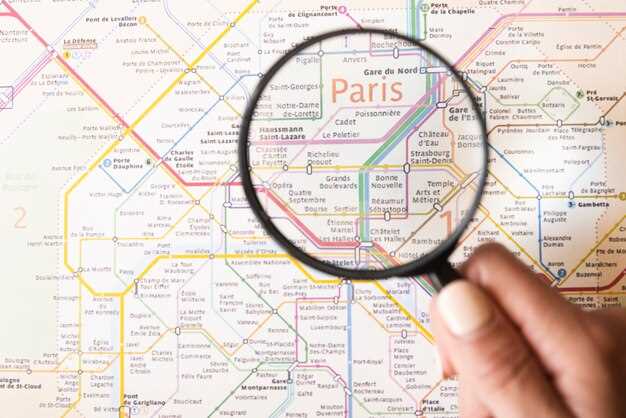
Paris, a city that has captivated the hearts of millions, offers a diverse tapestry of neighborhoods, known as arrondissements. As you head into this enchanting metropolis, understanding its layout is vital for making the most of your visit. With a network of 20 distinct districts, each with its own character and charm, exploring Paris can be both exhilarating and occasionally overwhelming. Whether you have only a few days or are planning an extended stay, knowing the ins and outs of the arrondissements can help you relax and enjoy every moment of your time in the City of Light.
In this comprehensive guide, we’ll delve into the details of each arrondissement, revealing popular destinations, hidden gems, and village-like charms. You might find that while larger tourist attractions draw most visitors, there are many non-museum places waiting to be discovered. From the relaxing banks of the Canal Saint-Martin to the bustling shopping streets near the Opéra Garnier, there is something for everyone. However, it’s essential to pick your spots wisely, especially during weekends when the city buzzes with locals and tourists alike.
Although the map of Paris may initially seem daunting, navigating the city is designed to be an adventure. You can save time by planning your visits around the official coverage of exhibitions and events, giving you the chance to engage with the city’s culture beyond the standard touristic routes. The added magic of Paris lies in its understated places–those that don’t always make the headlines but offer an experience that allows for genuine connection with the city’s soul. So, whether you’re interested in visiting the iconic dome of Les Invalides or simply strolling through a landscaped park, our guide will provide you with the information needed to make the most of every minute spent in this magnificent city.
Understanding the Paris Arrondissements
Le Paris arrondissements represent a unique tapestry of diverse neighborhoods that collectively define the city’s cultural and historical landscape. With a total of 20 districts, each arrondissement is numbered and carries its own charm, history, and character. Generally, they spiral outward from the city center, starting from the 1st arrondissement around the Louvre, creating a fascinating journey for those looking to absorb the essence of Paris.
For everyone planning to explore the city, knowing the different arrondissements is absolutely essential. Each district offers its own iconic landmarks, such as the ornate architecture of the 3rd and 4th arrondissements or the chic boutiques in the 6th. With numerous shops and cafés lining the streets, you’re bound to stumble upon various events that showcase the local culture. It’s a comfortable invitation for tourists who love to stroll through atmospheric streets filled with history.
When you think about staying in Paris, the choice of arrondissement could significantly modify your experience. For instance, the 15th is known for its family-friendly environment, providing those with children an intimate space to roam. On the other hand, the trendy 11th is popular among the younger crowd, offering a lively nightlife and an array of clothing shops that reflect modern Parisian style. Thus, the scale of experience can greatly differ depending on where you choose to base yourself.
If you’ve considered using an audioguide during your time in Paris, it could be a wise choice to enhance your discovery of the various landmarks in each arrondissement. An informative guide can help you uncover historical contexts that you might otherwise miss. Imagine entering the breathtaking Notre-Dame de la Chapelle in the 4th arrondissement with a deeper understanding of its significance; this is the kind of knowledge that leaves a lasting impact.
Occasionally, there could be issues related to crowd control and accessibility in busier districts during peak tourist seasons. However, this shouldn’t deter you from venturing out. Planning your explorations outside of usual hours can lead to a more enjoyable experience, letting you fully appreciate the beauty of less congested streets. Additionally, the openings of new shops and eateries mean there’s always something fresh waiting to be discovered, so it’s worth checking back often.
Ultimately, the Paris arrondissements offer more than just addresses; they provide an opportunity for profound experiences that reflect the heart of the city. Whether wandering through the historic corridors of the Latin Quarter or experiencing the elegant design of the 7th, the journey across these districts imbues a sense of belonging and connection to the city’s rich narrative. So, take your time, embrace the pace of Paris, and you’ll find each arrondissement is a chapter in the grand story of this magnificent city.
What is an Arrondissement?
An arrondissement refers to a municipal district within Paris, creating a structure that effectively divided the city into manageable sections for administration and governance. Each of the 20 arrondissements is numbered and possesses a unique character, offering both locals and visitors a variety of experiences. From the bohemian ambiance in Montmartre to the luxury of the Golden Triangle, these districts appeal to diverse tastes and preferences, making it easy for anyone to find their favorites.
When visiting Paris, it’s essential to understand how these arrondissements work. They serve not only as geographic markers but also as cultural hubs. Each arrondissement has its own vendors, cafés, and not-to-miss attractions, like the iconic Notre-Dame Cathedral located in the 4th. Many visitors are often confused by the layout, as the numbering does not follow a simple geographical path; it spirals outwards, starting from the center, which is exactly the 1st arrondissement. This design maximizes accessibility while minimizing the time spent navigating the complex streets.
- Upfront Experiences: Visit top-rated attractions such as the Palais Garnier and the picturesque Place des Vosges.
- Gourmet Opportunities: Explore intimate cafés and lindustries that capture the essence of Parisian culinary art.
- Cultural Magic: Enjoy music and art scenes that bring the city’s history to life, with every arrondissement offering something unique.
While touring, consider the convenience of the metro system that connects all 20 districts, allowing for easy access to various hotspots. If you’re seeking a thorough exploration, plan your visits around the magic hour of sunset for panoramic views. With historical background and contemporary security, you can absolutely relax and immerse yourself in the vibrant culture without stress. Here’s a tip: download a barcode-enabled map to keep track of popular places and modify your itinerary as you go, ensuring you won’t miss any must-sees during your stay in this extraordinary European city.
How Many Arrondissements Does Paris Have?
Paris is divided into a total of 20 arrondissements, each with its own unique character and charm. The system of arrondissements is central to navigating the city, representing various districts that cater to diverse lifestyles and interests. Residents and visitors alike often find it useful to familiarize themselves with these districts to enhance their experience while in the capital.
Each arrondissement is often characterized by significant landmarks and cultural exhibits. For example, the 1st arrondissement is home to the Louvre, while the 8th boasts the famous Arc de Triomphe. These monuments serve as focal points around which neighborhoods are built, making every arrondissement a part of Paris’s historical tapestry.
Traveling through Paris, you may also want to explore the trendy boutiques and exquisite shopping options available in districts like Le Marais or Saint-Germain-des-Prés. The dynamic street life, filled with vibrant murals and cafes, presents an almost artistic atmosphere that enhances weekend adventures.
In terms of real estate, the gentrified areas often reflect a blend of aristocratic heritage with contemporary living. These neighborhoods draw diverse crowds, with a mix of locals and tourists engaging in urban life. Public spaces and parks like the Promenade Plantée create ideal spots for an afternoon stroll, enhancing the overall experience of living or visiting these arrondissements.
On the weekends, many residents and tourists schedule tours to explore the breadth of what these districts offer. Whether it’s visiting museums or simply enjoying a morning coffee in an outdoor café, each arrondissement provides a myriad of activities. Websites dedicated to Parisian travel often suggest sample itineraries, ensuring you make the most of your time.
Beyond sightseeing, the financial aspect shouldn’t be overlooked. Having cash on hand can help navigate boutique shops and local markets without the need for cards. It’s essential for those planning a visit to understand the basics of each arrondissement layout, as this will help manage travel logistics in the city effectively.
In summary, with 20 distinct arrondissements, Paris encapsulates a city that is both historic and ever-evolving. From the grandeur of its landmarks to the intimate charm of local streets, every district offers a part of the Parisian experience waiting to be discovered. Whether you are visiting for a few days or have lived here for years, the majesty of these districts never fails to impress.
Significance of the Arrondissement Numbering
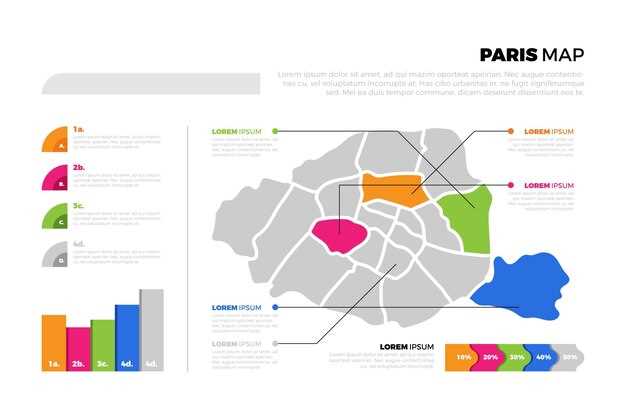
The arrondissement numbering system in Paris is a topic of significant importance for both locals and tourists. Each of the 20 arrondissements is numbered in a clockwise spiral, starting from the 1st in the center of the city and working outwards. This layout allows visitors to easily navigate the city’s districts, understanding their location in relation to one another. When you think about it, this organization creates a sense of familiarity and makes exploring Paris less daunting.
Generally, the numbering is not just a system of identification; it reflects the historical and social fabric of Paris. For instance, the 16th arrondissement includes some of the wealthiest residential areas, while the Marais, a trendy neighborhood, showcases innovative arts and culture, attracting a different vibe. Different districts offer unique experiences, showcasing the rich diversity that Paris has to offer.
When you sit in a café in Saint-Germain-des-Prés, surrounded by artistic history and intimate alleyways, you might not realize that you are in the 6th arrondissement, a space created by centuries of cultural exchange. The magic of Paris is often found in these specific places, each number representing a distinct character and timeline.
Speaking of timelines, it’s fascinating to think about how the arrangement of these districts dates back to the early 19th century. The scheduling of urban development transformed how Parisians live, work, and socialize. From the historic tombs in the Père Lachaise Cemetery to the landscaped parks, each arrondissement contains both the historical and modern aspects of Parisian life.
The influence of the arrondissement numbering extends beyond mere navigation. It also shapes tourism. When tourists hear about specific arrondissements, they often form expectations about what experiences await them. This anticipation can be a game-changer, as certain districts are known for their high-end shopping, culinary delights, or artistic exhibitions.
Real conversations about the cultural wealth of Paris should include the significance of these numbers. Let’s consider a quiz: which arrondissement has the least number of tourists? Answers vary, but lesser-known districts often become hidden gems for those willing to explore beyond the usual hotspots. Each arrondissement offers something unique, allowing the city to be enjoyed in a comfortable, relaxed manner.
In conclusion, the arrondissement numbering is much more than a simple numerical system. It activates the very essence of Paris as a city rich in history, culture, and experience. To explore these districts is to engage with the soul of Paris, stretching beyond the surface into the heart of its vibrant life.