


 Français
  English (UK)
  Русский
  বাংলা
বাংলা  العربية
  日本語
日本語  한국어
한국어  Magyar
  Norsk nynorsk
  Türkçe
  עִבְרִית
  Español
  Čeština
  Svenska
  Português
  Ελληνικά
  Suomi
Suomi  Nederlands
  Română
  Italiano
  Polski
  Українська
  Deutsch
  简体中文
简体中文  Slovenčina
  Српски језик
  اردو
اردو  Azərbaycan dili
  O‘zbekcha
  አማርኛ
አማርኛ 

Start with a ski-in, ski-out lodge near gentle beginner runs to keep everyone close and minimize transfers. If youve never skied before, pick a resort that offers short, well-marked green runs, slow lifts, and a reliable beginner-school program. This setup gives you enough time to practice, learn safety basics, and savor moments on the first day.
Plan a simple, predictable rhythm: morning sessions on easy terrain, a midday break for snacks or a nap, and a late-afternoon return to the slopes only if energy allows. This approach makes skiing and visiting experiences feel relaxed rather than rushed, so everyone stays excited rather than overwhelmed. It works whether you spend the day primarily on the slopes or juggling a few visits to child-friendly attractions, and it offers an excellent balance of activity and downtime. Build in time for hot chocolate and shared photos to capture moments during these trips.
Budget and gear details help the plan: rent well-fitting gear in advance, confirm helmets, and reserve a group lesson if they are ready. Ask the shop for a concise packing list and carry sunscreen, lip balm, and spare gloves. This plan covers everything from gear to downtime and keeps your route simple by mapping a short loop between beginner areas to avoid long transfers and by keeping a basic care routine for weather exposure.
Practical costs give you something concrete to work with: gear rental typically ranges from 25-40 USD per day per person, lift passes from 60-100 USD per day, and kids’ discounts or family passes can trim the total. Plan for a 3- or 4-day trip with a dedicated lesson for at least one child; reliable knowledge from resort guides and instructors helps you adjust each day and lock in what fits. Many resorts offer beginner-friendly packages that include rentals and a lesson, simplifying logistics.
Finally, keep knowledge and expectations aligned: check resort maps, review safety signs, and record small moments of progress to share with everyone. If you visit a resort during peak times, allow for extra time between activities and consider alternating days between skiing and visiting other winter-friendly experiences, such as snowshoe walks or kid-friendly shows. With a flexible plan, youve got a solid framework that makes a family ski trip memorable for all.
Choose beginner-friendly resorts with gentle terrain and easy lift access
Pick slopeside resorts with a dedicated beginner zone and easy lift access. Look for a gentle blue or green run dropping directly from the learning area, a short transfer to the first lifts, and a forgiving pace that keeps first-timers comfortable from day one.
Check beginner-friendly schools and guides: small groups, clear technique progressions, and patient specialists who tailor instruction to kids and adults. Destinations with on-site pros and friendly guides shorten the learning curve and help your family measure progress in weeks, not months.
Choose plans that include free introductory lessons or clinics, plus slopeside lift access. A well-structured day pairs morning technique sessions with a relaxed afternoon on easy slopes, helping everyone grow in confidence without burnout.
Consider elevation and sun exposure when picking a place. Resorts with moderate elevation and wide, well-groomed slopes reduce fatigue and keep the learning momentum steady. Look for family-friendly schools that offer easy-to-access practice areas and kid-specific instruction, which shortens the path to real progress.
Plan a months-long getaway with a practical planning approach: 3- to 4-day blocks work well for first-timers, mixing slopeside mornings with family-friendly activities in the afternoon.
Book ski school early for kids and adults to secure spots
Book ski school early to secure spots for kids and adults. When you plan your trip, book lessons 6-12 weeks ahead, especially during peak seasons. Doing so will give you the best options and typically reduces stress on arrival. For first-time skiers, early slots are crucial because they set a gentle pace and lower frustration.
Choose a program that coordinates with your accommodations so travel mornings stay smooth. Many schools offer a park-friendly approach with short walk-to-lesson areas and kid zones. Ask about waterproof gear rental or options to ensure your clothing stays waterproof all day.
When you book, you can pick between groups or private sessions, depending on age and goal. For older kids and adults, specialists tailor drills to progress without overload–having clear milestones helps them grow. A short, well-structured drill can fire up enthusiasm and set the tone for the day. A steady pace helps their confidence grow rather than let motivation go down. Between lessons, friendly coaches share tips on turning small gains into lasting memories.
Europe offers huge mountains and green beginner runs that match first-time skiers’ pace. Choose a progression that feels fun and avoids overly challenging moments. For families, a well-structured program will likely combine a morning lesson with an easy lunch break, then an afternoon refresher. Set expectations so you know what progress to anticipate and how to celebrate each milestone.
Having a clear goal helps your kids look forward to each milestone and reduces fear. Parents and first-timers will appreciate a plan that starts slow, then builds to moderate drills without pressure. Remember to pack waterproof outerwear, gloves, a spare layer, and a light snack to stay comfortable in changing conditions.
Booking early also helps you manage planning between sessions: you can coordinate with park time, meals, and rest periods, so the day runs easier. The result is memories you will treasure and a smoother trip where everyone leaves with confidence and a greener sense of accomplishment.
Understand what a beginner lesson includes: structure, duration, and goals
Book a 60-minute beginner lesson with a patient guide at a groomed, british-run resort near whistler-area destinations, and confirm rentals are available if you need gear for first-timers. This setup keeps the day smooth for a mother traveling with young kids and minimizes stress for first-timers. The base area lounge is warm and friendly, with hoodies ready and hot drinks to ease the chill, giving a touch of beach-like comfort in winter.
The lesson follows a clear structure: safety briefing, warm-up drills, stance and balance work, gliding on gentle terrain, controlled stops, and basic turns on easy, groomed trails. Instructors tailor cues to your level, keeping the pace steady and encouraging, so faces stay relaxed and you build confidence quickly. Some sessions also include short practice on rinks to reinforce balance before returning to snow.
Duration and pacing deliver plenty of practice without fatigue. A standard group session lasts about 60 minutes, while private or small-group options run around 90 minutes. Expect a 10–15 minute intro, 35–45 minutes of core skills on gentle slopes, and a 5–10 minute wrap-up with practical tips for your next steps. If you want more time, look for add-ons like longer blocks or a half-day plan, and choose a location near your hotel or rental shop to minimize travel during the day. Look for opportunities that include some free practice time on the slopes after the lesson to solidify the moves.
Goals focus on comfort and control on groomed runs. By the end, you should manage basic control on level terrain, execute simple, reliable turns, and ride a chairlift with help and safety checks. For families, this means a mother and young child or a new teen can progress together with a friendly pace. If you prefer, luxury packages exist that bundle a knowledgeable guide, rentals, and a short, supportive lesson. Many resorts offer family-friendly formats that include gear and a dedicated instructor in one price, making travel smoother. The emphasis stays inclusive and practical, so you leave with a clear plan for the next steps and with the travel side made easier by ready gear.
What the lesson covers
Beyond the core skills, instructors explain gear options, lift etiquette, and safety routines. Rentals are often available nearby, with packages that include boots, skis, and a helmet to simplify planning for a family. You’ll get guidance on selecting a level-appropriate run, how to approach a chairlift, and tips for moving smoothly from a wedge to basic turns on standard routes in a winter setting, with plenty of destinations that suit your pace and a view of the mountains.
Plan a realistic practice schedule: short sessions and regular breaks
Begin with 20-minute practice blocks for the beginner, followed by a 5-minute break to reset breathing and balance. This cadence keeps energy steady on cold mornings and makes each ride feel more controlled.
Dress in cosy layers with leggings for mobility; in colorado resorts like vail, mornings can be cold, but a quick mid-session warm-up keeps legs ready for the next run.
Design the day to mix on-snow work with short rests in a warm lodge, where amenities and childcare options support families. A simple guide helps keep the plan on track and supports focus on a single goal.
During afternoons, opt for a special rhythm: four blocks of 20 minutes, plus 5-minute breaks, finishing with a stunning view of the écrins and a gentle cooldown. Transfers between lifts feel easier, and kids stay engaged, while parents reload energy for the next part of the day.
| Jour | Session | Durée | Break | Focus | Notes |
|---|---|---|---|---|---|
| Day 1 | Session 1-4 | 20 min | 5 min | balance, stance, turning | leggings, cosy layers |
| Day 2 | Session 1-4 | 20-25 min | 5-10 min | edge control, speed, stopping | transfers to move across zones |
Get properly fitted rental gear and safety equipment with instructor guidance
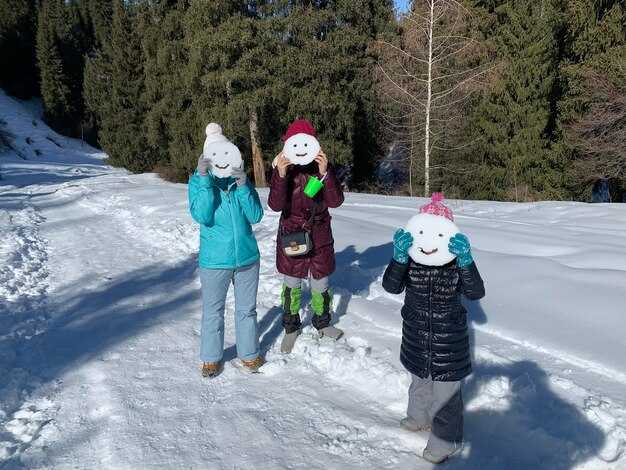
Book a guided fitting on arrival to lock in sizes, harness safety, and reduce on-slope stops. A typical family session runs 30–45 minutes, longer for multiple kids or special requests. In switzerland, the process is standardized, and you’ll still get clear explanations and a live demonstration with a huge view of the mountains from the rental desk window.
- Booking and timing: Reserve a slot ahead of time; booked slots align with morning lifts. Expect 30–45 minutes for a standard family; add 15–20 minutes for extra kids or awkward boot sizes. This helps every member start the day with ease and confidence.
- Boots and shell fit: Instructors check shell fit, heel lock, and toe space. They want a snug heel grip, toes that barely touch when standing, and easy buckling across the foot. They test flex by asking you to lean forward and then stand tall; walk a few steps to confirm comfort.
- Skis and bindings: They choose length around your height and weight; bindings must release when you fall. The DIN setting depends on weight, height, age, and skiing style; for first-timers, keep DIN low and recheck after a few days as skills become more solid. If you’re nervous, they’ll start gentle and show progressions you can do with ease.
- Helmet and protection: Helmet sits level on the head with a snug chin strap. Have instructors verify comfort by moving your head; add wrist guards for nervous beginners and back protectors for high-speed or icy mornings. This equipment reduces risk during hours of learning on the lift and on cold patches.
- Goggles and clothing: Use goggles with proper venting to prevent fog; pick warm, breathable layers to stay cosy in cold conditions and allow a natural range of movement. Gloves should be dry and grip well on ski poles. If you stock up during a cold season, keep a spare pair at the lodge.
- On-slope safety briefing and practice: The instructor demonstrates how to clip into bindings safely, how to stand up after a fall, and how to ride the lift with confidence. This practical training often shows quick drills that you practice near a gentle slope before tackling higher runs, which reduces unexpected pauses and helps you become more comfortable faster.
juan greets families with a lively welcome at the rental desk; this helps nervous beginners settle in and feel part of the team. With properly fitted gear, you’ll gain better balance and control on every run, and you’ll likely extend your time on the mountain. Nothing beats a warm, cosy lodge after a long day, especially when you’ve mastered the basics during a friendly, well-guided fitting.