


 English (UK)
  Русский
  বাংলা
বাংলা  العربية
  日本語
日本語  한국어
한국어  Magyar
  Norsk nynorsk
  Türkçe
  עִבְרִית
  Español
  Čeština
  Svenska
  Português
  Ελληνικά
  Suomi
Suomi  Nederlands
  Română
  Italiano
  Français
  Polski
  Українська
  Deutsch
  简体中文
简体中文  Slovenčina
  Српски језик
  اردو
اردو  Azərbaycan dili
  O‘zbekcha
  አማርኛ
አማርኛ 
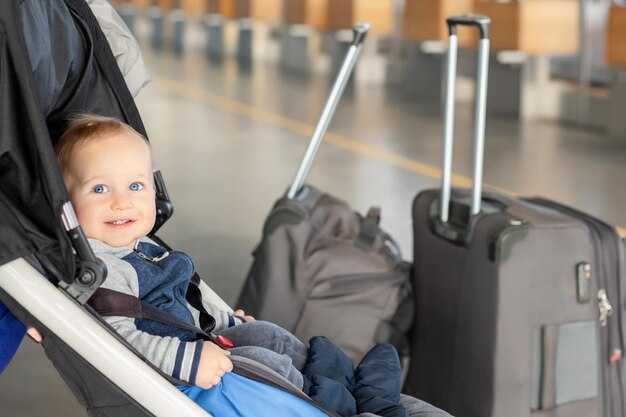
Recommendation: Pack a dedicated carry-ons kit for each child: a small backpack plus a color-coded tote with a spare change of clothes, a few favorite toys, and extras like a spare pair of socks or an extra snack. Keep the basics close at hand, under the seat, so you can respond fast without rummaging. Those items save you minutes at security, boarding, and at the gate when a meltdown hits, and they help you feel more in control.
With three toddlers and two flights, divide the day into short blocks: check-in, security, boarding, takeoff, then a snack and nap cycle. in florida airports, take advantage of family lanes and kid-friendly corridors. If you can, reserve three seats in a row or a bulkhead to gain space; otherwise line up a front-middle arrangement that gives you aisle access and room to stand during boarding. On the plane, keep two to three small activities ready and rotate them every 15 minutes; pair that with a couple of snacks, while staying mindful of carry-ons where you store items. The signage in florida helps you keep moving. If youre travelling with the kids, start with a simple set of routines that you repeat on every flight.
In case of an airport disruption or gate change, being calm helps them feel secure; stay focused on routines that calm them: snack, story, stretch, then a short walk. Keep a portable charger and a compact set of headphones to manage quiet time. Carry a small zipper pouch with wipes, hand sanitizer, a spare diaper, and a spare pair of socks for all three. Give yourself grace and courtesy to those nearby; offer a friendly smile and a quick thank-you if someone lends a hand. Having extras on hand means you can adapt without drama.
Over the years of travelling with three toddlers, you have learned what works by trying and adjusting. Youre not alone in sprints through airports; this plan leans on steady rhythms, real pockets of calm, and a clear plan you can repeat for future hops. Subscribe to our newsletter for new tips and quick tweaks for different airports. The variety of ideas helps you stay flexible when the plan shifts, and you can measure progress after years of travelling with three toddlers.
72-Hour Practical Plan for Traveling Solo with Three Toddlers, Two Flights, and Delays
Start with a direct morning flight on Qatar if possible, reserve one row for the three toddlers, and keep youre eyes on them by arranging seats in a close grouping. Use three compact car seats if permitted, and confirm consent for their use in cabin seating. Pack a single lightweight backpack with diapers, wipes, a spare outfit for each child, and a small blanket for warmth. Have a separate baby bag for quick access to snacks, bottles, and a toy stash. This setup keeps the view clear and makes the first leg absolutely smoother.
Checking in early matters: do it 24 hours before each leg, download boarding passes, and label bags with clear contact information. Example: a color-coded tag system or a laminated card for each child helps you stay organized. Prepare passes for security and gate access, and keep multiples of important items (baby wipes, snacks, pacifiers) in both the main bag and the carry-on to avoid back-and-forth searching. Open the travel playlist and the newsletter for quick ideas on keeping toddlers engaged during lines and delays.
At the airport, move with purpose: arrive 3 hours before the first flight, clear security with minimal stops, and minimize bag clutter by keeping the essentials in one accessible bag. Bring a lightweight stroller that folds with one hand, and stash a small toy bag in the stroller pocket for easy access. Keep one adult hand free for each child so you dont feel stuck in crowds, and explain the plan to each toddler in simple terms so they stay cooperative through the checkpoint and boarding.
During the flight, establish a predictable routine: buckle seatbelts when signs are on, pass out snacks before turbulence, and offer small, quiet activities during takeoff and landing. Have a baby on a soothing routine with a pacifier or bottle, and rotate attention between the three toddlers so each one feels seen. Use open spaces in the cabin for short stretches and quick games to prevent restlessness. If you made a mess or a spill, stay calm, clean up quickly, and move on–your honest tone will help the kids feel secure.
Delays demand a concrete plan: check gate changes and track times, keep a calm cadence, and maintain a flexible timeline. When a delay stretches, switch to low-energy activities first, then switch to a quick walk for repositioning. If you’re stuck at a nearby lounge, prioritize access to clean changing areas, a quiet corner for feeding, and easy seating that accommodates all three toddlers without crowding. Be sure to have a backup snack set and a tiny “quiet time” kit to avoid over-stimulation while you wait through the delay.
Arrival planning after the second leg should focus on re-centering: locate a comfortable open area to reset sleeping and feeding schedules, and adjust the next 24 hours to the new environment. Settle into a predictable rhythm: short naps, regular meals, and a few gentle activities to keep the little ones happy. Make a quick view of the next steps, confirm transport or hotel check-in times, and record any learnings for future journeys. If you periodically feel overwhelmed, reach out to a friend for a quick check-in or subscribe to a travel newsletter for future tips and reassurance–being honest about your limits helps keep the journey productive and safe.
Pre-Flight Prep: Packing, Roles, and Quick Checklists
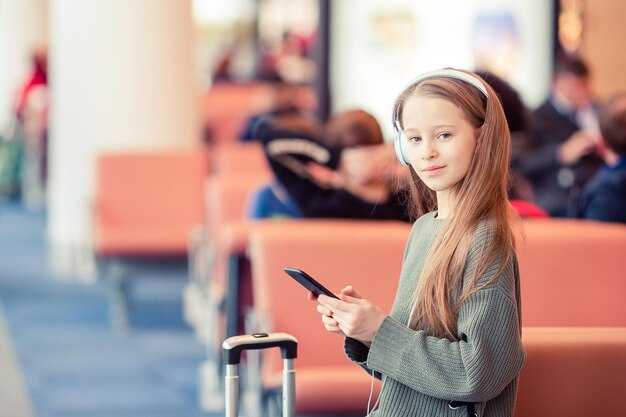
Pack a single baggie with diapers, wipes, a spare outfit, a small toy, and a photo card with the kid’s name for quick access during security and boarding.
Assign clear roles: one adult manages packing and liaison with the attendant; the other keeps otis relaxed and watches the toddler’s needs at each step. Usually, you’ll switch tasks at each gate to stay open to changes in plans.
Preparing for multiple flights means a simple routine you can repeat with calm consistency. Have a go-to idea for quick resets if a plan shifts, and keep the mood light to avoid overwhelming moments.
Quick checklists
– In baggie: diapers, wipes, a spare outfit, bib, a small plastic bag for mess, a photo of the child, and a couple of safe snacks.
– On hand for the child: regular snacks, a sippy cup, a small spoon or familiar bottle, a chewy toy, and a compact blanket for comfort.
– At the airport: bring the bag in your carry-on, keep the photo handy, and hand items to the attendant with a quick signal to minimize delays.
– Packing limit: limit the number of items to what fits in one carry-on per toddler; bringing too much can feel overwhelming and slow you down.
Photo idea to back up your plan: snap a quick shot of the baggie contents and the scene at home to remind everyone of the routine when you land.
On-Board Tactics: Snacks, Activities, and Seat Management for 3 Toddlers
Bring three compact snack kits, water bottles, and a small set of quiet toys; here is a step-by-step setup that keeps three toddlers together and focused before takeoff. Pack non-messy items–soft crackers, squeezable fruit pouches, and cut fruit in small pieces–dividing by child to minimize swapping in the aisle. Include a clean diaper, a fresh bib, and wipes in each kit so you pass essentials without leaving your seat.
Seat plan: aim for three adjacent seats in one row whenever possible, with the oldest toward the aisle to limit climbing, the middle child in the middle, and the youngest by the window. This arrangement keeps three together and makes supervision easier for the crew and you. Before takeoff, confirm the seatbelt fits for all three and use the overhead tray to stash lighter items; keep essential items in the seat pockets for quick access.
Snacks and hydration: set three brief snack windows of 8–10 minutes each after ascent, plus a quick sip interval between. Pass each child their own cup and snack bag to minimize sharing; use baby bottles with secure lids to prevent spills, and have one small towel ready for any drips. Use a color-label system to ensure cups go back to the right child, reducing friction and cost from lost items.
Activities that travel well: a magnetic drawing board, a small sticker book, a set of soft plush figures, and a tiny deck of toddler-sized cards. Keep a single activity bin in the middle so you can rotate items without heavy lifting. For moments of boredom, fire up a quick game like “I spy” or a two-minute storytelling round to reset attention; sometimes a fast reset is all you need.
Managing a meltdown: stay calm, switch to a preferred activity, and offer a short snack or sip to re-center. If a diaper change or outfit fix is needed, use the overhead space and seat pocket as a mini station to reduce disruption. Keep a small emergency kit with extra wipes, a spare diaper, and a small trash bag to contain mess; this keeps the seat clean and reduces friction for everyone.
Plan for Florida or other vacation routes: check weather and time-zone shifts so the kids can adapt; bring a pair of headphones and a lightweight tablet for longer hops, but always tilt to offline content. Bring useful reminders via email to a co-parent or caregiver so someone else can step in if needed. A simple post-flight note helps the other half share what worked and what didn’t; this supports future trips.
Costs and logistics: use a travel tray that fits on the seat to hold drinks, snacks, and a small toy zone; this reduces waste and keeps items accessible. Cost savings come from packing most items yourself rather than buying on board, and you’ll avoid waste by reusing bottles and pouches across the vacation. After landing, post your tips in your family group chat or email so you can reuse the approach on the next flight.
Seamless Transitions: Boarding, Security, and Gate Changes with Minimal Fuss
Here is a concrete recommendation: pre-pack a single, all-in-one routine that covers boarding, security, and gate changes, the entire process, including one ziplock with snacks and a document for each child. Keep the routine simple and visible, invest a few minutes before departure so the flow is incredibly smooth, and it goes better than scrambling when a change hits. This approach is worth it when travel includes three toddlers and two flights.
Double-check you can bring what you need through security without backtracking: keep liquids in the ziplock, pack outfits that are easy to slip on, and tuck a spare set in the top pocket. Use a small snack kit and a couple of quiet toys for waiting, example: a soft book and a chewable. Theyre kids, so a predictable routine keeps them calm.
During boarding and any gate changes, stay ahead: have the essentials in one carry, keep boarding passes and the document handy, and plan the route to the plane. If the carrier announces a change, move as a unit along the aisle, avoiding extra walks to the desk. When you reach the new gate, board onto the plane quickly and use a quick snack break to reset the mood.
Airport shutdown or sudden delays test your system, but you can ride them out with a mountain of patience. Maintain a simple rhythm: before you reach the gate, reset the kids with a snack and a tucked toy, then proceed onto the plane when announced. Keep the pack light so you can walk steadily and avoid a mountain of bags.
Coping with Airport Delays: 72-Hour Timeline, Rest, Naps, and Contingencies
Act now: request a hotel room and meal vouchers if a delay pushes past six hours, and ask for accessible assistance at the gate so your kids stay calm. thats the first move to set up the 72-hour plan and reduce chaos for the whole crew.
0-12 hours: Organize carry-on essentials for three toddlers: snacks, water, wipes, one comfort item per child, and a simple meal kit. boarding starts and schedules shift, so keep rules simple: sit, snack, nap, then walk. If you’re at an international gate, request assistance early and you may receive a hotel option or meal voucher when a long stop is confirmed. weve found that incredibly quiet corners and a taped schedule keep feet from getting overwhelmed. If a nap is needed, tuck blankets and a small pillow in the stroller and let the child rest; thats the kind of practical plan that makes a big difference in a tight window. If you flew in today, you know that a calm crew returns to the plan quickly and the kids stay cooperative. this approach has worked before, and it can work again. If you’re wondering how to pace a long delay, this 0-12 hour rhythm keeps things incredibly predictable and easy to manage.
12-24 hours: If delays extend beyond a full day, switch to a structured rest regime: short 20- to 30-minute naps between updates, with a rotation so an adult stays with each child. Use hotel or lounge access to keep the kids comfortable, and keep a predictable meal plan: small, easy items every 2-3 hours. Keep carry-on within reach for snacks, diapers, and a change of clothes. At this point you may need to talk to an agent at the international desk; at the point of rebooking, request a door-to-door option that fits your family. The team often works with families first, so stay patient and honest about needs; that approach tends to get quicker assistance. If the terminal shuts down at night, seek a nearby hotel or lounge to preserve rest. This rhythm helps preserve a calm vacation mood for the kids, which makes the rest of the plan easier to manage and often less tiring than rushing.
24-48 hours: After 24 hours you should have a plan; escalate to a supervisor and push for a formal hotel stay near the airport or a partner property. Request a meal stipend and local transport to keep the kids fed and rested. Document every update and keep a running summary; this helps when you speak to a different agent. Use a dedicated family assistance line if available; be honest about needs. If a family member is with you, your brother can help swap duties; keep the routine together; otis from the family desk can arrange a cot or quiet corner for the youngest. For international trips, ask for alternative routes that minimize stops; staff often coordinate across countries to keep you moving and avoid extra layovers. Older kids were helpful and kept pace calm. That approach keeps meals simple and kids engaged, making the process easier.
48-72 hours: By 48-72 hours, finalize contingencies: stay near the airport hotel or rebook onto a flight with a shorter layover. Ask for a meal stipend and a crew-assisted rest plan for the toddlers. Keep documents ready and contact numbers for the passport office or consulate if stranded in another country; stay in touch with a single point of contact at the airline for a clean path forward. If you’re in a different country, airline staff can coordinate options across countries to keep you moving. The goal is to finish the stop with minimal disruption; keeping the routine with small meals, naps, and sun-safe outdoor time helps maintain mood and energy. The assistance team like otis at the desk can help with a cot or extra quiet space; this support makes a huge difference when you’re juggling three little travelers.
Screen Time on the Plane: Boundaries, Rationale, and Smart Alternatives
Set a 15-minute screen window after takeoff, and cap total screen time at 30 minutes per child for the flight, using a timer to switch to non-screen activities when the beep sounds. Once started, keep to this rhythm for the rest of the flight.
Boundaries point: For young travellers, clear limits reduce chaos in a tight situation. Start with this rule and adjust as the flight progresses.
Why this matters: screens can calm a moment, though overuse disrupts sleeping and mood. On planes the cold cabin, night hours, and engine hum make overstimulation easy. A steady mindset keeps routines intact for the kids and for you, especially if you have to juggle backpacks and carry-ons here in the aisles. Keeping comfort in mind helps you stay proactive rather than reactive.
Smart alternatives that work fast:
- Move between activities every 15 minutes: quiet play, a quick story, sing-alongs, or a simple puzzle that fits in a backpack pocket.
- Use low-tech options: coloring books, sticker sheets, small figurines, magnetic tiles, and tiny boards that won’t spill in the seat. These fit travel well in their own cases and inside your backpack.
- Involve them by giving each child a small “job” (holding a map, passing a snack) to lengthen the moment and build comfort with the situation.
- Audio storytelling: preload short audio stories or sleep sounds on a player with kid-friendly headphones; you can supervise from the aisle while they listen, keeping their eyes off the screen.
- Snack and hydration cadence: offer bite-sized snacks in sync with ascent and descent to prevent fatigue and fits of irritability.
Travel-ready packing tips: here’s a simple setup to keep peace on planes. Pack double carry-ons: backpacks with chosen toys, a spare outfit, a compact blanket, and a nightlight if the cabin gets cold. Made to fit in small spaces, keep these within easy reach so you can change activity without getting up. Here, quick access to the toys in their backpacks reduces the need to move around. If youre travelling with three kids, rotate screen time among them and alternate with seating-based activities so no one holds the focus too long.
Idea to test: try one 15-minute screen window and one 15-minute screen-free block in the first hour; adjust by the second hour based on sleeping cues and mood. This plan will help your kids stay entertained, your own calm will hold, and you’ll be ready for changing light or noise in the cabin.