


 Suomi
Suomi  English (UK)
  Русский
  বাংলা
বাংলা  العربية
  日本語
日本語  한국어
한국어  Magyar
  Norsk nynorsk
  Türkçe
  עִבְרִית
  Español
  Čeština
  Svenska
  Português
  Ελληνικά
  Nederlands
  Română
  Italiano
  Français
  Polski
  Українська
  Deutsch
  简体中文
简体中文  Slovenčina
  Српски језик
  اردو
اردو  Azərbaycan dili
  O‘zbekcha
  አማርኛ
አማርኛ 
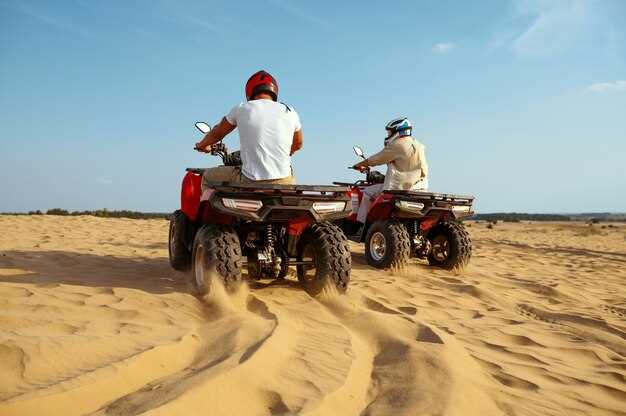
Begin with a pre-dawn ascent near Maleihah to witness the first light spill over the red dunes. The color shift marks the start of a memorable outward exploration across the UAE’s sandy plains.
Seasonal temperature varies: winter mornings hover around 14–22°C, rising to 25–30°C by late morning; summer sessions can climb beyond 40°C, so visitors opt for late-day slots with shade and cooling breaks.
Plan a balanced itinerary that blends adrenaline with calm: sand-boarding on gentle slopes, camel rides through low dunes, and a pause for tea in a Bedouin-style camp as the breeze cools.
Tuolla puolen Maleihah, the Liwa Oasis dunes offer vast crescents and clean lines, while Faya sands deliver stark horizons at sunset; each area has a distinct texture that invites different photography approaches.
Safety and comfort come from simple prep: pack layered clothing, sun protection, and plenty of water; bring a compact camera, a spare battery, and a scarf to shield from grit as you move into the evening air.
Enjoy the rhythm of the day, and let the light guide your choices as the horizon shifts from gold to violet.
Dubai Desert Safari: Top 10 Locations and 3 Overnight Camping Plans
For a full, value-packed plan, book a session with a seasoned guide; youre choosing a gentle introduction to the arid expanse that comes with Bedouin tradition. Tickets bought online save last-minute stress, and budget travelers can combine a dune drive, camel ride, and a stargazing segment. During the shoulder season the winds are milder, the sky remains gorgeous, and travelers gain a living sense of how parts of this land remain true to living tradition.
1) Maleihah Dunes – location near rocky outcrops, crescent crests, and soft slopes; the early light is best for photos, and the birds begin their day as you pack away gear. This area, often referred to simply as maleihah, remains a crowd-pleaser for first-time visitors and those seeking calm rides.
2) Liwa Red Dunes – location features long amber-to-crimson lines that dominate the horizon; ideal for extended rides, sandboarding, and panoramic selfies. The last light turns the dunes into a gorgeous glow, and the ascent/descent pace suits a wide range of riders.
3) Rub’ al Khali fringe dunes – location offers endless ridges and a sense of vastness that remains compelling. A calm ride and low human presence make it a favorite for seasoned riders and first-timers alike.
4) Fossil Rock zone – location blends rock outcrops with smooth sands for varied terrain; you can drive a bit, stop for rest, and watch the sky during clear nights. This site is known for quick routes and cinematic photo spots that travelers love.
5) Al Ain foothill dunes – location provides shade from nearby gypsum outcrops; living contrast between rock and sand helps riders stay cool, with a gentle pace that suits families and solo travelers.
6) Hatta Basin dunes – location carved by wadi winds offers crisp air and a strong sense of isolation; perfect for adventurous days and epic sunset shots, with few crowds to dilute the moment.
7) Al Faya area dunes – location past old caravan routes; wind splits into lanes that reward confident operators and fast decision-making. A popular spot for night photography and quiet stargazing sessions.
8) Kalba coastal dunes – dunes meet sea breeze; the contrast creates dramatic silhouettes. Birds and camels move along the edge, while travelers relish the spray of salt air. This location is known among travelers; know that wildlife remains active during dawn and dusk.
9) Emirate north coast dunes belt – location offers higher crest lines and quiet breaks for a challenge with longer drives; seasoned travelers can push their limits while keeping safety in mind.
10) Eastern-front dunes corridor – location presents a lesser-known zone that rewards those who go beyond the usual routes; you can find solitude and a chance to practice a mindful, gentle ride near a resting spot.
Plan A – Rustic overnight under the stars near Maleihah: simple canvas tents, a crackling fire, Bedouin-style tea, and a short dawn ride. It’s a budget-friendly option that keeps the tradition alive, with shared rest areas and a light, healthy dinner. This plan emphasizes look, calm, and connection with the living sands.
Plan B – Mid-range glamping close to Liwa’s dunes: private dome tent, shaded seating, hot meals, and a guided dawn drive. The setup is comfortable, with on-site restrooms and a small lounge. It blends reliable comfort with a sense of adventure, and it remains within a reasonable budget for couples or small groups.
Plan C – Premium, all-inclusive camp along the northern belt: private tent, ensuite facilities, chef-prepared dinners, a camel ride, and a late-night sky program. It delivers a flawless experience for those who want the full, unforgettable vibe and a chance to look up at a million stars, with flawless service and seamless logistics online and offline.
Top 10 Desert Safari Locations in Dubai to Explore; 3 Overnight Desert Safari Dubai Camping
For a focused, immersive, and safe trip, begin with Maleihah (Mleiha)’s heritage plateau, thread through the Al Marmoom Reserve, and finish with Lahbab’s red dunes; a 3-night camping plan makes it intimate, with bedouin hospitality and a chance to watch dramatic sunrises over vast deserts.
Spot 1: Maleihah (Mleiha)–rocky plateaus reveal layers of history, fossil hints, and open horizons; photographers find dramatic backdrops for night shoots, while lovers of heritage savor the quiet scale. Going into the evening, warm winds soften the edges of the horizon.
Spot 2: Al Marmoom Reserve–vast open flats, migratory birds, and a table of camp options; staying here allows safe stargazing and intimate bedouin-style rest, without sacrificing comfort for families and solo travelers.
Spot 3: Lahbab Red Dunes–signature dunes deliver a warm, immersive thrill; guides offer dune bashing, evening walks, and thermal sunsets that make the whole experience unique for both couples and groups of photographers.
Spot 4: Fossil Rock belt (Al Faya area)–rocky outcrops and fossil traces whisper ancient history; the open landscape serves as a natural stage for dramatic silhouettes and a chance to connect with bedouin hospitality in a safe setting.
Spot 5: Hatta region–cooler nights, rocky canyons, and a deep sense of history; hiking routes fit well with a three-night plan, offering intimate camps, star spotting, and an authentic migratory-bird pause in spring.
Spot 6: Qudra circuit–engineered sands around a circle of lakes; this area balances thrill rides with peaceful stretches for families, with open spaces for contemplative photography and a sense of safe, guided going.
Spot 7: Saih Shuaib belt–sweeping flats and patches of rock create dramatic contrasts; it’s suited for a daylight climb and a nocturnal drift, giving photographers a chance to capture both warm dawns and crisp stars.
Spot 8: Bab Al Shams vicinity–resort-linked dunes offer a curated, intimate retreat; you can do a camel ride, a quiet walk, and an evening music set, all within a safe, relaxing frame that appeals to heritage lovers.
Spot 9: Jebel Ali coast dunes–coastal winds shape slim, open tracks and migratory-bird stopping points; a go-to for couples seeking a restful, yet thrilling, night under a red-pink horizon.
Spot 10: Liwa-adjacent belt–dunes push and shift with the seasons, offering a dramatic stage for sunrise shoots, a breezy atmosphere, and a final restful night around a bedouin camp table of stories.
Here, safety guidelines stay in focus because proper preparation will make the journey safer and more enjoyable; use insured drivers, check weather windows, and follow local etiquette from host communities to keep the experience respectful and immersive, without losing the heritage of these deserts.
Dubai Desert Conservation Reserve: wildlife viewing, best season, and guided tours
Plan a dawn or late-afternoon visit during the October–March window, when daytime temperature averages stay around 24–28°C and wildlife activity peaks. Start your route from lahbab and target the maleihah sector for dunes, ridges, and distant mountains that frame animal sightings. A first-time visitor can rely on ranger tips and official maps to navigate efficiently in a half-day outing.
Wildlife viewing highlights include Arabian oryx and gazelles across flats, with bird species such as falcons and larks along dune crests. The whole scene rewards patient watchers who savor the moment as light slides over the horizon and the mountains become silhouettes on the far edge of the reserve.
Guided tours are offered by operators who balance accessibility with exclusivity. Morning and late-afternoon routes use 4×4 or high-clearance vehicles, with options for private guides, premium seating, and a focus on heritage spots and bird-rich stands. For first-time visitors, a curated route provides context about native adaptations and conservation work while keeping the pace comfortable. Some itineraries include a stop at lahbab or nearby maleihah viewpoints to maximize sightings.
Daycation ideas and logistics: weave a reserve outing with a dune-side lunch at a lodge and a short reach to a coastal beach resort for a post-visit unwind. This approach minimizes driving, enhances enjoyment, and offers a taste of regional heritage. For those seeking luxury and exclusivity, select operators offer private experiences with VIP guides and bespoke vehicle options.
- What to bring: water, hat, sunscreen, binoculars, camera with spare batteries.
- What to wear: light layers for temperature swings, closed shoes for dune walking.
- Best viewpoints and timings: early morning or late afternoon light, especially near lahbab and maleihah zones.
- Respect guidelines: stay with guides, no off-route wandering, avoid loud noises to protect wildlife.
conclusion: For wildlife lovers, the reserve delivers a compact, authentic escape with minimal transfers from the region, especially when starting at lahbab and arranging a short late-afternoon session for final bird sightings.
Al Marmoom Desert Conservation Reserve: sunset dunes, camel rides, and on-site camping options
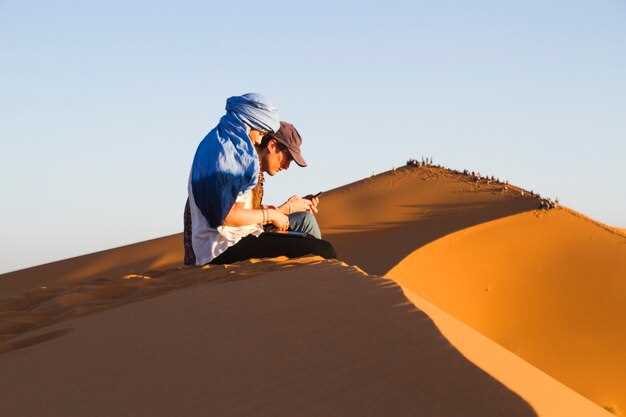
Book a twilight stay at the on-site camping area and pair camel rides along steep dune slopes to reach the moment when the sun sinks, painting the horizon with gold. This plan delivers a thrilling experience every guest can enjoy, without crowded pockets, and light spreads across the sands as you hold that memory close.
On-site camping options include luxury tents with comfortable bedding, private wash areas, and a communal lounge where seasoned travelers swap tips. A tanoura performance after sunset lights the area and sets a rhythm that calms people; even there, the space remains calm and not crowded. There are beaches along the water’s edge, offering a beach-like vibe where you can stretch out and watch the stars. Further options include a guided dune walk or a short night ride for those who want a little more thrill, and all activities run in small groups to keep the setting intimate.
Where to start? Head to the booking desk at least 60 minutes before sunset; staff tailor the ride duration to your needs. Once you arrive, you can choose a simple plan: 30-minute camel ride, followed by a 60-minute dune walk, then gather at the camp for a belly-filled feast. The sequence easily fits people with different comfort levels and provides a natural break between activities so you can relax, down a cool drink, and watch the last light fade. The ddcr notes emphasize conservation practices that keep wildlife safe and the landscape pristine. They can adjust the ride length to fit the group.
Just after the last light, escape the heat and head into the dunes; the sky cools as the sands glow. People gather around the campfire and each person holds a moment to capture with a phone or a camera, belly feast in full swing, eyes filled with starlight. The moment spreads across the area, and you can feel a calm that is rare in crowded places. After the feast, you can linger or head back to the tents, where you’ll rest comfortably and wake refreshed to a new day in the area.
Big Red Dunes (Lahbab): dramatic terrain for photography and dune-bashing basics
Begin at first light in lokakuu tai aikana winter months when the lämpötila falls and sand cools. Bring water, sunscreen, and spare batteries; position for the sun rising behind you to highlight red tones on the slopes. Park at a designated access point and follow polut to minimize impact on the back dunes, preserving a serene view for later shots.
For photography, use a wide-angle lens to capture the mountain-like crest and the sweeping horizon. A polarizer helps tame glare off sunlit sand, shoot RAW, and bracket light across the dunes. Keep lens clear of grit with a hood and cloth; the result can be fantastic ja kaunis.
Kun on kyse bashing, join a licensed emirati or bedouin crew. They know safe lines, read the wind direction, and maintain a steady rhythm. Adrenaline kicks in as you crest and drop, but listen to the guide and keep the ride controlled. Always wear a seat belt and stay inside the vehicle; you can expect the session to be intense yet safe.
The red dunes show their faya tint most intensely near the crest, with wind-sculpted ridges resembling dancers. The terrain offers polut for practice and pockets of shade near an keidas, perfect for a cool break between shots. This maailma offers infinite photographic potential as light shifts toward the horizon, and vantage points in a quarter of an hour can yield dramatic silhouettes. Reputable tours from emirati communities deliver safe access to the back dunes, typically near scenic overlooks.
Plan a half-day session, with months like october or november as key windows; morning light offers softer shadows and cooler air. Dress modestly and bring a light jacket for dawn, and keep to the guided areas. Bedouin hosts often pair a short cultural stop with tea, dances, and a quick talk about local heritage; it adds a human context to the ride and the quiet terrain.
Safety and etiquette: check wind forecasts, avoid riding during sandstorms, and respect restricted zones. Pack light and bring sun hat, water, and a compact first-aid kit; monitor tire pressure and vehicle condition with the guide. For a complete experience, book with a reputable operator who offers tours that deliver clear safety briefings, reliable route information, and a plan to return before nightfall.
Hatta Desert Day Trips: practical access from Dubai and family-friendly activities

Varaa full-day guided circuit from the city that combines a heritage village visit, kayaking on the dam, and a Jebel overlook for an optimal mix of culture and adventure. The itinerary offers ainutlaatuinen moments for families, with shaded rests, kid-friendly breaks, and a feast-style lunch. This experience invites savoring more beauty with comfort and real ease.
Access is straightforward: drive along the E44 Hatta Road from the city center; the journey typically takes about 90–120 minutes depending on traffic. Pre-booked transfers can collect at central hotels or well-known meeting points, and many operators offer an yön yli option that starts with a city pickup and ends with a hotel drop-off. This package covers everything you need for a smooth day out.
Family-friendly activities include a stroll through Hatta Heritage Village to see traditional stone houses and the old mill, a gentle kayak session on the dam, and easy nature trails that wind into rocky outcrops around the wadi. For riders, there are guided mountain-bike routes and safe pony or horse experiences; evenings bring calm viewpoints with clear skies for stargazing.
Seasoned travelers often choose a schedule that balances time between scenic rock faces and shaded picnic spots, between the hills and the waters. Spring and autumn bring comfortable temperatures, clear air, and longer light; mornings offer quiet rises over the mountains while afternoons deliver a cool breeze across the sands.
Overnight options include a rural hotelli or eco-lodge near the dam; many packages combine a morning excursion with an overnight stay, a feast-style dinner, and a relaxed second-day return. This setup lets families enjoy comfort without rushing and keeps everything simple and real.
Conclusion: a well-planned outing delivers heritage, mountains, and gentle adventure; it is a practical escape from the city and offers a real-value itinerary for families. It rewards you with exclusive viewpoints, a shared feast, and a memory-filled experience that stays with you long after the journey ends. Thanks to careful planning, this option remains flexible to fit your schedule.