


 Suomi
Suomi  English (UK)
  Русский
  বাংলা
বাংলা  العربية
  日本語
日本語  한국어
한국어  Magyar
  Norsk nynorsk
  Türkçe
  עִבְרִית
  Español
  Čeština
  Svenska
  Português
  Ελληνικά
  Nederlands
  Română
  Italiano
  Français
  Polski
  Українська
  Deutsch
  简体中文
简体中文  Slovenčina
  Српски језик
  اردو
اردو  Azərbaycan dili
  O‘zbekcha
  አማርኛ
አማርኛ 
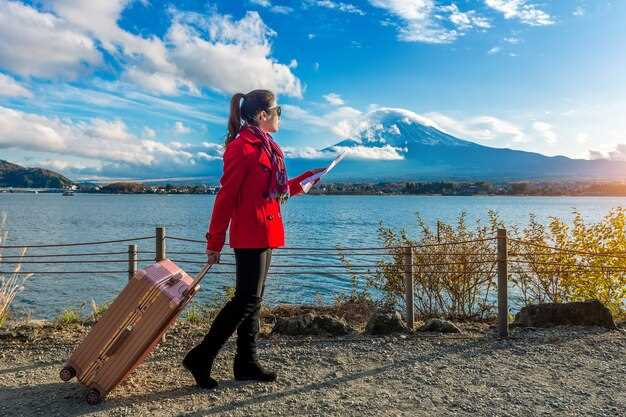
When you think of Japan, the first images that often come to mind are the neon lights of Tokyo, the serene beauty of Mount Fuji, and the enchanting streets of Gion. This destination, known for its rich cultural history and modern marvels, offers an adventure that varies depending on your interests. Our carefully crafted itinerary takes you on a two-week journey, allowing you to explore both the well-trodden tourist paths and hidden gems that many travelers miss. From the thunderbird train to the peaceful shores of Fujikawaguchiko, this trip promises to be a vacation like no other.
Your journey starts in Tokyo, where every corner reveals something new. You’ll wander through vibrant neighborhoods, sample local delicacies like ramen and soba, and enjoy significant stops that showcase Japan’s unique culture. After a few days of exploration, you’ll grab a train to historic cities like Narai, known for its traditional thatched-roof houses, and rest in an apartment that feels like a home away from home. Each stop on this tour is designed to enrich your understanding of Japan, allowing you to learn from both its past and present.
As you travel, you will encounter a mix of natural beauty and urban excitement. Over the next two weeks, check off a list of must-visit sites including the Imperial Palace and the stunning pavilions of Kyoto. For the adventurous traveler, there’s even the chance to witness local monkeys playing in the hills. By blending popular attractions with lesser-known sights, your journey becomes a close-knit experience with friends or solo, taking in the beauty of everything around you. In the end, this itinerary does more than just showcase Japan; it immerses you in its heart and soul, making every hour significant towards your adventure.
Travel Preparation and Essentials
Embarking on a journey through Japan requires thoughtful planning to ensure a memorable experience. Here’s a comprehensive overview of what to expect and how to prepare for your travels.
- Understanding Distances: Japan’s rail network is well-connected, allowing for fast transfers between cities. When planning your itinerary, consider the distances between destinations to optimize your travel pace.
- Kuljetusvaihtoehdot: Purchase a Japan Rail Pass for unlimited one-way train journeys. Booking tickets in advance is recommended, especially during peak seasons. Utilize machines located at stations for quick and easy ticket purchases.
- Suunnittele reittisi: Your travels might include visiting popular hotspots, such as Himeji Castle and Mount Fuji, as well as hidden gems like the Nagamachi district in Kanazawa. Ideally, the journey should follow the Golden Route, which showcases vibrant cities and natural beauty.
- Majoitus: Arrange your stays through platforms like Booking.com, which offer a range of options. Consider traditional ryokans for an authentic experience, where you can sample local cuisine.
- Sääolosuhteet: Check the season before travelling, as the climate can significantly impact your experience. The Japanese Alps offer stunning landscapes, but expect variable weather conditions.
- Currency and Cost: Japan is relatively cash-oriented. Ensure you have enough yen for daily expenses, as some smaller establishments might not accept credit cards.
- Local Etiquette: Learn a few phrases in Japanese to enhance your interactions. Greeting locals enhances your experience and shows respect for their culture.
As you explore alleyways such as those in Shimokitazawa or visit the Jingu shrines, take time to marvel at the contrasts between modern life and traditional practices. The journey through Japan would be incomplete without enjoying a fresh cup of matcha or riding the scenic ropeway in Toyama.
Ultimately, an ideal Japan itinerary is carefully arranged to balance both major tourist attractions and unique, off-the-beaten-path experiences. With proper planning, your travel should be a delightful maze of culture, history, and adventure.
Visa Requirements for Entering Japan
When planning your trip to Japan, understanding the visa requirements is crucial. Most travelers from countries with visa exemption agreements can stay in Japan for short periods without a visa. You might hear about different types of visas, but for a majority, a tourist visa is sufficient, allowing you to explore the stunning areas like Kyoto, Hakone, and Nagoya.
If you’re staying for less than 90 days, check if your country falls under the visa waiver program. In this case, you won’t need to go through the visa application process. However, if your country is not on the list, you must apply for a tourist visa in advance. It’s best to book your appointments early, as processing might take a bit longer.
While traveling, remember to carry a valid passport and keep your accommodation details handy. When you arrive, immigration officials will occasionally ask for proof of onward travel or a return ticket. Ensure that your travel plans are well-organized to make this process smoother. This is especially true if you are transferring through major cities like Tokyo or Osaka, where the procedures might be a little slower.
Don’t forget that certain regions, especially tourist hotspots, can get busy, so planning where to go in advance will ensure you don’t miss out on amazing experiences. For example, you might want to explore the historic neighborhoods of Matsumoto or the stunning temples of the Meiji site. Each area offers a unique contrast, encouraging you to take a leisurely stroll alongside the riverside or through the empty parks.
For those considering longer stays, securing a longer-term visa or an individual purpose visa might be worth looking into. If you’re staying longer, incorporating experiences such as sake tasting or visiting local hot spots in Shimokitazawa could enhance your journey. Always keep a card with important travel information on you for easy reference.
Customizing your itinerary to include both iconic locations and hidden gems can allow for an enriching experience throughout the Kansai region, the heart of Japan. With proper planning and understanding of visa regulations, you’ll be all set to enjoy the gold in Japan’s culture, from historic temples to the vibrant neighborhoods that make this country truly exceptional.
Best Time to Visit and Seasonal Considerations
Choosing the right time to visit Japan can greatly enhance your experience along the Golden Route and hidden gems. The climate varies significantly across regions, with each season offering something unique. Spring, for instance, is famously known for its cherry blossoms, providing breathtaking views that make popular areas like Kyoto and Shibuya feel especially magical. Visiting during this time allows you to enjoy the vibrant atmosphere while dining on local specialties, such as ramen, during leisurely lunches.
Summer can be quite humid, yet it brings festive energy with numerous local festivals. If you take a tour of places like Dotonbori, expect to see lots of exciting events and street food. However, be prepared for unexpected rain showers. Visiting ancient areas like Sannenzaka can be an amazing experience, particularly in early summer when the area is less crowded and the temperatures are milder.
Autumn provides a stunning contrast to spring with its colorful foliage. This is an excellent time to admire the royal gardens and shrines, particularly in Kyoto. Plan your trip around mid-November for the best views. If you find yourself in Hiroshima, don’t miss the serene sight of the torii gate at Miyajimaguchi, surrounded by autumn leaves.
Winter might feel harsh, but the charm of Japan’s snowy landscapes cannot be overstated. Hot baths and cozy meals, such as steaming bowls of soba, are perfect for colder days. If you’re considering a 21-day stay, this season allows you to explore Japan’s quieter side, where popular attractions could feel much more intimate and inviting.
Ultimately, the best time to visit Japan depends on what you want to prioritize. Whether you seek a bustling atmosphere or a more tranquil experience, each season offers something that might just create lasting memories. So, consider these seasonal aspects when planning your visit, and you will surely find that Japan does not disappoint.
Packing Tips for Different Activities
When planning your two-week adventure in Japan, it’s essential to pack smartly for the various activities you’ll encounter, from exploring bustling city streets to enjoying the serene mountains. Here are tailored tips for different scenarios to ensure you have everything you need for a memorable journey.
For urban explorations in cities like Osaka and Nagoya, prioritize lightweight clothing that allows for ease of movement. Comfortable walking shoes are a must, as you’ll be strolling through historic areas, sampling ramen in local bars, and shopping in trendy districts. Always keep a fresh bottle of water and some snacks for when you’re out and about, especially during lunch breaks while touring various attractions.
If your plans include visits to beautiful lakes such as Kawaguchiko or mountain regions, pack layers to accommodate changing weather conditions. A light raincoat or windbreaker is advisable, as sudden weather changes can occur, particularly in the mountains. Don’t forget your camera for capturing impressive landscapes and fun moments, especially at TeamLab Borderless where the works are both modern and magical.
For nights out experiencing the vibrant nightlife, especially in cities like Kyoto, consider a stylish yet comfortable outfit. Japanese nightlife often has strict dress codes, so it’s worthwhile to plan ahead. Bring along a small bag for essentials that can easily transition from a casual dinner to a night of clubbing.
If your itinerary includes staying in traditional ryokans, remember to pack a pair of slippers or indoor shoes. These accommodations often provide beautiful on-site baths for relaxation, so a swimsuit may also be a good idea. Don’t miss the chance to learn about cultural practices while you’re there, whether through traditional tea ceremonies or local dining experiences.
Finally, for those eager to explore ancient sites like Matsumoto Castle or the Inari shrines, sturdy shoes are imperative. Whichever routes you take, be ready to walk a lot. Sunscreen and a hat are essential, especially during summer months, while winter trips might require snow gear–plan for dropping temperatures and potential snow.
By considering your activities and planning your outfits accordingly, you’ll ensure you’re prepared for everything Japan has to offer, from engaging in thrilling ninja experiences to capturing the serene beauty of its riverside landscapes.
Currency and Payment Methods
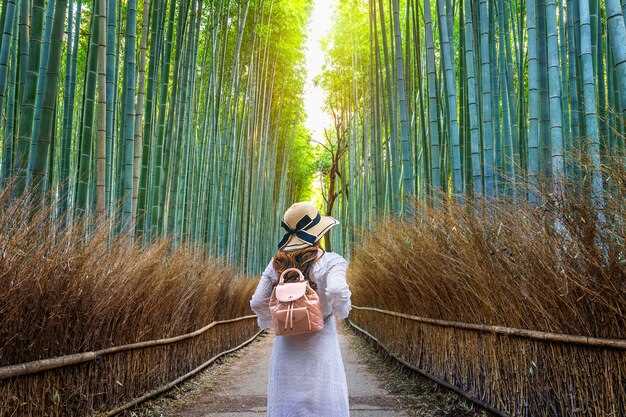
When planning your two-week itinerary in Japan, it’s essential to understand the currency and payment methods available. The official currency is the Japanese Yen (JPY), and it’s highly recommended to have cash on hand, especially in smaller towns and historic areas like Narai and the picturesque bamboo groves. While Japan is becoming increasingly cashless, many local shops, eateries, and even some temples may not accept credit cards.
As a foodie, you’ll want to explore tiny cafés and local hotspots serving cuisine that does not often appear on tourist guides. To make your experience smooth, it is wise to carry a mix of cash and cards. Major cities such as Kyoto, Hiroshima, and Tokyo have many ATMs that accept foreign cards, but it’s a good idea to check with your bank beforehand to ensure your card will work.
Upon arrival at the airport, you can easily find currency exchange counters. It’s advisable to exchange a small amount first to cover your initial expenses, such as transportation to your accommodation. Afterwards, in places like the historic regions of the Alpit or while sitting by the river in Hiroshima, you can find local banks or post offices for better rates.
In busy destinations, cash remains king, particularly in markets or during special events. While luottokortit are widely accepted at major hotels and companies offering packaged tours or organized activities, instances of them being declined can be disappointing, especially in rural settings. Therefore, keep an extra eye on your balance and bring some cash to enhance your whole travel vibe.
Using prepaid IC cards like Suica or Pasmo is highly recommended for simplicity–these can be used on public transport and in convenience stores. They simplify transfers and can be topped up at kiosks. Also, having a locker for your luggage during your stroll around popular destinations like Mount Hikone could give you peace of mind while you enjoy the vibrant environment.
Ultimately, understanding the nuances of currency and payment will significantly enhance your exploration of Japan’s vibrant culture. Whether you’re looking for temples, hot springs, or sticky-tide sweets, being prepared will ensure you won’t be moved by any unexpected payment barriers during your adventures.
Viikko 1: Kultainen reitti
Äärimmäinen 21 päivän Japanin matka alkaa unohtumattomalla viikolla Kultaisen reitin varrella. Tämä alue sisältää parhaat pysähdyspaikat ja yhdistää kauniisti modernit kaupungit upeaan luontoon. Aloita seikkailusi Tokiosta, maailmanluokan metropolista, joka on kuuluisa ostosmahdollisuuksistaan ja ainutlaatuisista kaupunginosistaan, kuten Shibuyasta ja Umedasta.
Tokiossa voit vierailla ikonisissa paikoissa, kuten Meiji-pyhäkössä ja vilkkaalla Harajukun alueella. Valokuvausharrastajille Shibuyan neonvalokadut tarjoavat yöllä upeita valokuvausmahdollisuuksia. Tutustumispäivän jälkeen varaa pöytä yhdestä monista ystävällisistä lähellä sijaitsevista ravintoloista ja nauti aidosta japanilaisesta keittiöstä. Seikkailusi mahdollistaa herkullisen ramen- ja sushin nauttimisen, mikä tekee jokaisesta ateriasta erityisen.
Seuraavaksi matkusta Nagoyaan, kaupunkiin, joka tunnetaan historiallisesta merkityksestään. Pysähdy siellä 1600-luvulla rakennetulla Nagoyan linnalla ja tutustu alueen entisiin samuraitaloihin. Shoppailusta kiinnostuneille alueelliset markkinat ja ostoskeskukset tarjoavat lisämahdollisuuksia ainutlaatuisten matkamuistojen hankkimiseen. Matkallasi Kiotoon, älä unohda vierailla upeassa Kinkakujissa, Kultaisessa paviljongissa, joka heijastuu ympäröivistä lammista kuin kauneuden kupoli.
Kioton kohokohtiin, kuten sen perinteisiin teehuoneisiin ja seesteisiin puutarhoihin, tutustumisen jälkeen matkusta Kobeen. Tämä eläväinen kaupunki, joka on kuuluisa naudanlihastaan ja viehättävästä satamastaan, tarjoaa vierailijoille mahdollisuuden rentoutua. Voit kävellä leppoisasti rantakadulla tai valita jännittävän kiertoajelun kaupungissa paikallisen oppaan johdolla löytääksesi sen piilotetut helmet.
Viimeistele viikkosi matkalla Kurobeen, Toyaman prefektuuriin. Tämä kaunis kaupunki on kuuluisa upeista maisemistaan ja Kuroben padosta. Koko matka on suunniteltu matkailijoille, jotka ovat valmiita uppoutumaan Japanin kulttuuriin yhdistäen historian ja luonnonkauneuden. Valmistaudu upeisiin seikkailuihin ja ikimuistoisiin kokemuksiin!
| Päivä | Kohde | Kohokohdat |
|---|---|---|
| 1 | Tokio | Shibuya, Meiji-pyhäkkö, Omoide Yokochō |
| 2 | Tokio | Harajuku, Akihabara -ostokset |
| 3 | Nagoya | Nagoya linna, samurai-talot |
| 4 | Kioto | Kinkaku-ji, Teehuoneet |
| 5 | Kobe | Satamakävely, Kobe-nautapihvi-illallinen |
| 6 | Kurobe | Kurobe-pato, luontokuvaus |
Valitsemalla tämän matkasuunnitelman pääset tutustumaan sekä Japanin vilkkaaseen kaupunkielämään että sen tyyneen kauneuteen, mikä takaa ainutlaatuisen kokemuksen täynnä unohtumattomia muistoja.