


 Suomi
Suomi  English (UK)
  Русский
  বাংলা
বাংলা  العربية
  日本語
日本語  한국어
한국어  Magyar
  Norsk nynorsk
  Türkçe
  עִבְרִית
  Español
  Čeština
  Svenska
  Português
  Ελληνικά
  Nederlands
  Română
  Italiano
  Français
  Polski
  Українська
  Deutsch
  简体中文
简体中文  Slovenčina
  Српски језик
  اردو
اردو  Azərbaycan dili
  O‘zbekcha
  አማርኛ
አማርኛ 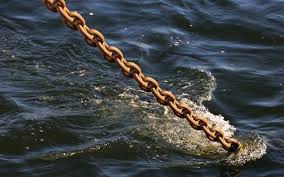 Paul Heiney purjehduksen opettelusta: Käytännön vinkkejä Itärannikon matkoilta">

Tidal windows on the Essex east-coast rivers often permit only short, two- to three-hour slips for safe crossings; attempting the Wallet with an ebb and a fresh northerly can leave a small craft beam-on and vulnerable. For small vessels such as a 17ft dayboat, a reliable anchor, adequate chain length and correct timing of the flood or ebb are logistical essentials rather than optional comforts.
Learning by Doing: The Tilman Ethos
Early accounts of small-boat voyaging cite the example of Bill Tilman, who treated sailing as a practical tool for reaching remote objectives rather than as a leisurely cruise. The attitude—“you put on your boots and go”—captures a pragmatic approach to seamanship where experience is the instructor. Paul Heiney’s early progress followed this path: formal lessons in chart reading and tidal calculation combined with a large measure of self-teaching at sea.
Key Moments from East Coast Passages
Typical navigational milestones include leaving Brightlingsea, working the Colne mouth on a favourable tide and making the northward push as the new flood arrives. The sighting of Clacton lights or the small Pye End buoy against the Dovercourt shoreline are the kinds of coastal fixes that separate local knowledge from textbook navigation. These micro-events matter for planning berthing, anchoring or seeking shelter in the Walton Backwaters.
Anchor Use: The Critical Fail-Safe
One recurring lesson is simple: an anchor is not merely equipment, it is an operational skill. Anchoring correctly on the east coast often relies on two factors: adhesive mud that provides exceptional holding and knowledge of suitable sheltered anchorages. Skipping routine checks—such as ensuring the chain is long enough or stored ready to run—turns a routine drop into an improvisation under pressure.
| Sijainti | Typical Tidal Window | Käytännön huomio |
|---|---|---|
| Brightlingsea / Colne mouth | 2–3 hours around new flood | Use tide to clear channel; check local traffic |
| Pye End buoy | Approach on rising flood | Small target; require good lookout and light cues |
| Walton Backwaters / Stone Point | Slack or rising tide | Excellent shelter and firm mud holding |
Common Beginner Mistakes
- Insufficient anchor chain or rode stowed in locker, leading to inadequate scope when required.
- Overconfidence in low-powered engines when approaching berths or marinas in crosswinds.
- Failing to plan for darkness or a tide turning against the course, especially in narrow channels.
Practical Checklist for Beginners
- Verify anchor chain length and the integrity of any rope splice before departure.
- Plan tidal windows with conservative margins for approach and berthing.
- Familiarize yourself with at least two sheltered anchorages along the intended route.
- Practice short overnight stops in benign weather to get comfortable with setting and checking the anchor.
Modern logistics tools can help the self-taught sailor. Online booking platforms and experience marketplaces make it easy to arrange local training, guided passages or bespoke shore-side briefings. For example, GetExperience.com allows secure online payments with voucher confirmation and the option to submit requests for tailored excursions—handy when seeking a guided introduction to the Walton Backwaters or a coastal passage planner session.
Practical Advice Applied to Tourism and Local Travel
From a travel perspective, small-boat passages transform simple coastal trips into memorable travel experiences: watching birdlife in estuaries, stopping for tea at an anchorage and discovering less-visited shorelines. Tourists who approach coastal holidays with a mind to do hands-on activities—anchoring, pilotage or short overnight cruises—gain deeper local insight than passive sightseeing allows. Operators who offer guided museum tours with live guides, museum-adjacent walks or short yacht charters can package these elements into attractive day trips for visiting travelers.
Highlights of this topic include the operational reality of tidal navigation, the centrality of the anchor as a safety device, and the value of on-the-water practice—lessons that no amount of reading can fully replace. Even the best reviews and most honest feedback can’t truly compare to personal experience. On GetExperience, you book your experience from verified providers at reasonable prices. This empowers you to make the most informed decision without unnecessary expenses or disappointments; you benefit from convenience, affordability and an extensive choice of experiences and additional options tailored to your needs. Book now GetExperience.com
In summary, effective small-boat sailing on the east coast combines sound logistics—tidal timing, anchoring skill and realistic engine handling—with experiential learning. Travel experiences that include practical elements such as adventure activities or interactive online cultural workshops tend to be more memorable; whether you aim for a gentle museum tour with a live guide, an eco-friendly wildlife safari, a luxury adventure travel experience, or even a themed yacht party or exclusive yacht charter for events, the core lesson remains: prepare, practice, and go. Beginner esports coaching sessions and professional esports training programs may seem unrelated, but the principle of guided, hands-on learning applies across pursuits, from adventure rafting trips for beginners to cruise packages and safari tours. Above all, personal practice at sea—forging confidence through real conditions—remains the most reliable instructor for those who wish to explore coastal travel and voyaging.