


 Suomi
Suomi  English (UK)
  Русский
  বাংলা
বাংলা  العربية
  日本語
日本語  한국어
한국어  Magyar
  Norsk nynorsk
  Türkçe
  עִבְרִית
  Español
  Čeština
  Svenska
  Português
  Ελληνικά
  Nederlands
  Română
  Italiano
  Français
  Polski
  Українська
  Deutsch
  简体中文
简体中文  Slovenčina
  Српски језик
  اردو
اردو  Azərbaycan dili
  O‘zbekcha
  አማርኛ
አማርኛ 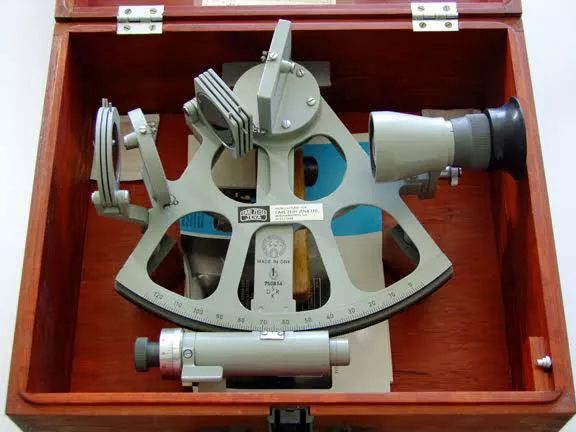 Miten moderni merielektroniikka muokkaa risteilyjä, turvallisuutta ja rantautumissuunnitelmia">

A single large MFD and a pulse‑compression tutka can account for the majority of a 12V house bank’s overnight draw, so phased power planning and redundancy are now core logistics for long‑range cruising.
Evolution of Boat Electronics: From Sextants to Integrated Systems
Traditional tools such as sextants, radio direction finding (RDF) and the Walker towed log have largely become backup items. Contemporary cruising relies on networked displays, multiple sensors and integrated communications that link navigation, engine diagnostics and safety systems into a single decision environment.
Navigation & Situational Awareness
Modern navigation is built around a few key building blocks: GPS/chartplotter, tutka, AIS, and multi‑sensor integration that gives you situational awareness in low visibility and at night. Networked MFDs allow chartplotter screens to be mirrored on tablets and phones so navigation is mobile and collaborative aboard.
Communication Layers
- VHF/DSC — primary short‑range voice and distress alerts.
- Satellite comms — data, email and increasingly high‑bandwidth services via systems like Starlink.
- Handheld radios and Wi‑Fi — useful redundancy and local connectivity.
Safety & Distress Systems
Safety gear remains mission‑critical yet rarely used: EPIRB-laitteet, AIS transceivers, and GMDSS‑compliant radios are central to modern contingency planning. Proper registration and periodic testing of EPIRBs and survival beacons ensure coast stations and SAR assets can act quickly when needed.
Core Components: Sensors, Displays and Networks
Sensors feed displays, and displays feed decisions. Key sensors include speed/log, depth/sonar, masthead wind, GPS/GNSS and AIS receivers. A stable NMEA 2000 or Ethernet backbone is essential to avoid single‑point failures and to allow multi‑vendor devices to share data reliably.
| Component | Funktio | Why it matters to cruisers |
|---|---|---|
| MFD (Chartplotter) | Charting, route planning | Central control and situational awareness |
| Tutka | Target detection in poor visibility | Collision avoidance and fog/night safety |
| AIS Transceiver | Vessel tracking and ID | See-and-be-seen functionality |
Power, Reliability and Redundancy
As electronics proliferate, battery banks and charging strategies must scale. LED displays and modern radar reduce draw, but cruisers without substantial solar arrays or generators need careful energy budgeting. Redundancy—paper charts, handheld VHF, and separate navigation apps on a tablet—remains the hallmark of safe passagemaking.
Maintenance and Fault‑Finding
Saltwater corrodes connections; regular inspection of cable terminals and the use of dielectric grease reduce intermittent faults. Keeping firmware up to date preserves multi‑vendor compatibility and prevents the surprises that often catch sailors during long voyages.
Recent Innovations and Practical Upgrades
Valmistajat, kuten Simrad ja B&G have introduced dual‑processor MFDs capable of running charts and radar without lag. Features like the B&G Zeus T7 “Sail Time” calculation refine ETAs by modeling tacks, tides and current—critical when planning arrival windows into crowded anchorages.
Networked Displays and Remote Apps
Built‑in Wi‑Fi now lets you mirror the navigation station to cabins or to crew on deck, turning a bunk or galley into an impromptu planning office. For cruise travelers, this means longer, safer days at sea and more confident onshore arrival planning.
Trends for Long‑Term Cruising
Affordable satellite internet has changed weather routing: real‑time GRIB downloads and high‑resolution overlays reduce dependence on radio forecasts. This matters for itinerary flexibility and safety, and it also influences shore-side plans and port calls for cruise passengers.
Prioritising Upgrades: A Practical Roadmap
- Establish an energy budget before choosing components.
- Start with a reliable chartplotter and DSC VHF for coastal cruising.
- Add AIS and radar for offshore passages.
- Phase in satellite internet and solar once the core is stable.
At a glance: modern marine electronics both simplify navigation and increase logistical demands—especially in power management and redundancy planning—so choose upgrades that match your cruising profile.
Verified bookings and careful planning ashore go hand in hand with onboard systems. On GetExperience.com you can make full and secure payments through the website with a voucher confirmation issued afterward, and submit requests for tours or excursions tailored to your needs to receive offers from providers that best match your preferences. On GetExperience, you book your experience from verified providers at reasonable prices, which helps you avoid unnecessary expenses or disappointments while preparing your cruise itinerary. Book now GetExperience.com
To sum up: invest in robust navigation and safety electronics, balance energy demands with charging capacity, and build redundancy into every layer from sensors to comms. Whether you’re planning adventure rafting trips for beginners, luxury adventure travel experiences, eco‑friendly wildlife safaris or exclusive yacht charters for events, understanding modern marine electronics improves on‑water safety and enhances shore‑side plans. Travel experiences, cruise packages, yacht parties, online virtual tours, museum tours with live guides, interactive online cultural workshops, professional esports training programs and beginner esports coaching sessions all benefit when your vessel systems are reliable. In the end, nothing replaces first‑hand experience; good equipment and smart planning simply help you enjoy it more.