


 Suomi
Suomi  English (UK)
  Русский
  বাংলা
বাংলা  العربية
  日本語
日本語  한국어
한국어  Magyar
  Norsk nynorsk
  Türkçe
  עִבְרִית
  Español
  Čeština
  Svenska
  Português
  Ελληνικά
  Nederlands
  Română
  Italiano
  Français
  Polski
  Українська
  Deutsch
  简体中文
简体中文  Slovenčina
  Српски језик
  اردو
اردو  Azərbaycan dili
  O‘zbekcha
  አማርኛ
አማርኛ 
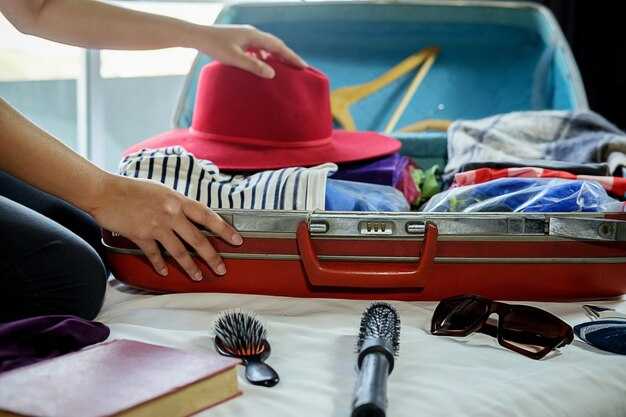
Never put pyrotechnic items in checked bags. Airlines treat these as dangerous goods, and security checks at many airports will confiscate them. Keep your suitcases and bags free of fireworks, firecrackers, or any item that could ignite during transport.
When you travel with medications, place prescription drugs in your carry-on and never in checked luggage. Carry a prescription note documenting the medication, dosage, and your doctor’s contact information. This simple step helps security verify legitimate use quickly.
Before you pack, run a quick test of your list. Look at each bag and verify what it holds, then move questionable items to your carry-on or discard them. This minimizes unintentional mistakes that slow security lines and cause delays.
Understand the transport rules that apply to airlines and the destinations you plan to visit. Some items you think are harmless can pose safety risks or be restricted by law. If you’re unsure, contact the airline’s deals desk for guidance instead of guessing.
Be mindful of snacks and other food items. Some foods are restricted in flight or at your destination; even simple crackers can trigger questions. Rather than packing risky items in your checked bags, keep safe snacks in your carry-on and respect baggage limits.
Organize your essentials for quick access: a medical note for any issues, a card with emergency contacts, and a lightweight bag for valuables. Emergency contacts information stays handy when you need it, and careful planning helps you avoid missteps and keeps your trip smooth from check-in to boarding.
6 Things You Should Never Pack in Checked Luggage: Practical Travel Tips
Never pack damaged or broken items in checked luggage; keep them with you in carry-on whenever possible. If a product arrives damaged, remove it from its case and take it onboard to avoid delays and damage to other items.
Keep jewelry and other valuables with you to prevent theft. Treat them as personal items you carry at all times; if left in a case, a nearby person could notice and create a risk.
Do not pack flammable or hazardous items, including butane canisters, burners, and oxygen-related equipment. Keep these in your carry-on, and ensure caps are secured; such items should never go into larger checked bags. It’s advisable to keep them on board.
Avoid leaks by keeping liquids in tight, non-spillable containers whenever possible. If a container is damaged or leaking, remove it from any packaging and dispose of it before check-in to protect other articles and packages.
Carry fragile electronics in your carry-on rather than checked bags. Use the original packaging and extra padding for larger devices, so circuits stay protected and the packing remains stable during transit.
Crackers and other snacks travel better in your carry-on or personal bag; avoid stashing them in checked luggage to prevent squashing and pests. Place food in related packages with seals and keep them anywhere in the carry-on for quick access, especially during temporary trips.
What Not to Pack in Checked Luggage
Never pack e-cigarettes or power banks in checked luggage. Keep them in your carry-on and switched off, in a dedicated pocket of your own bag to protect yourself and others. Security guidelines published by catsa advise this rule, and the approach aligns with safety checks against mishaps.
Liquids and bottles, including perfumes, should stay out of checked luggage. Place them in your carry-on in containers of 100 ml or less; these must stay in carry-on and be sealed. Seal the hood and cap tightly to prevent leaks. Use a blue, transparent pouch to keep them visible and separate from other items; ensure all containers are empty before you travel to reduce spill risk. If a container leaks, relocate it immediately to prevent damage.
Spare cables and power adapters, along with any devices that use batteries, belong in your carry-on. Do not place power banks in checked bags, and avoid packing loose batteries or batteries in containers that could short. If you travel with a person who uses electronics, keep the cables organized in a single pocket to prevent loss or switched items at security. If you travel with multiple devices, plan a simple combination of cables and adapters in one pocket. Sometimes a spare cable or adaptor stays in your pocket during security.
Wheelchair users should verify policies with the airline; catsa guidelines apply to mobility devices and their batteries. Remove removable batteries before travel and carry them in your carry-on with terminals protected. Never rely on checked luggage for batteries or components that support mobility devices.
As a practical point, audit your bag before check-in: relocate e-cigarettes, power banks, perfumes, bottles, and spare cables to your carry-on so your travels go smoothly. Remember to keep empty containers that could fill during transit out of checked luggage.
Paints chemicals and radioactive material
Do not pack paints, chemicals, or radioactive materials in checked luggage. These items can leak, corrode, or emit hazards, and penalties from the airline and authorities apply regardless of amount. The policy does not allow these items.
Most paints, solvents, and radioactive materials are prohibited in checked bags, and many are banned from carry-ons as well. None of these items should travel with you through the airport. Those who wants to transport paints must either arrange shipment through a licensed carrier or discard before you depart; otherwise you risk fines and seizure of the luggage. For any item you think might be allowed, review the airline’s requirements and ensure you meet the technical standards before you pack.
If there is a legitimate need to carry related items, follow these guidelines: keep packaging protected and leak-proof, label clearly, and avoid mixing with other items. When permitted, minimize the amount and use a collapsible secondary container for containment; present documentation if required by the airline. Lighters and straighteners face separate rules, so follow the policy for each device and do not treat them as hazardous cargo.
For temperature-sensitive materials, use a thermometer to monitor conditions, but do not rely on cabin air. While you check, in March, several airlines updated hazardous-materials rules; check the latest guidance on the airline site and with the destination country’s authorities. Anyone who wants to travel with firearms must follow separate airline and legal requirements, and never attempt to pack firearms with paints or chemicals. If you have broad questions, contact the airline’s hazardous-materials desk and confirm what is allowed under current rules, including whether a specific item is permitted at all. Much depends on the country, the airline, and the destination.
Flammable liquids and aerosols
Do not pack flammable liquids and aerosols in checked luggage. Store them in your hand luggage only, preferably in a pouch with a lock and clearly labeled. Keep containers separately from other items to minimize risk if a seal leaks.
Tests by safety authorities show that pressure changes during transport can cause even small bottles to leak or rupture. It does not take much to spill, so keep liquids in leak-proof containers and place them away from electronics and food in your bag. This would reduce risk during rough handling and transport. Use a sturdy inner pouch and separate fragile items to reduce damage during transport.
Perfumes, colognes, and other toiletry sprays are often flammable. Carry them in the toiletry pouch and limit cabin transport to containers up to 100 ml per item, with lids tightly closed. If you must transfer during a connection, inspect seals before every leg.
When you want to bring battery-powered curlers or a camping lantern, pack them in your carry-on and keep liquids apart. Place these items in a separate section so they cannot contact liquids, and use a small, hard-sided case if available.
An advertisement may promise convenience, but safety rules remain simple: avoid packing paint and solvents with your clothes and electronics. If you need paint for a project, buy it at your destination or arrange shipment, and keep transport arrangements separate from fragile items.
The wants of travelers vary. Circumstances at security checks can change quickly; if something is packed incorrectly, staff may confiscate it. Keep a back-up plan for essentials and ensure arrangements separate flammables from fragile items, so you can continue your trip without delays.
Gases and pressure vessels
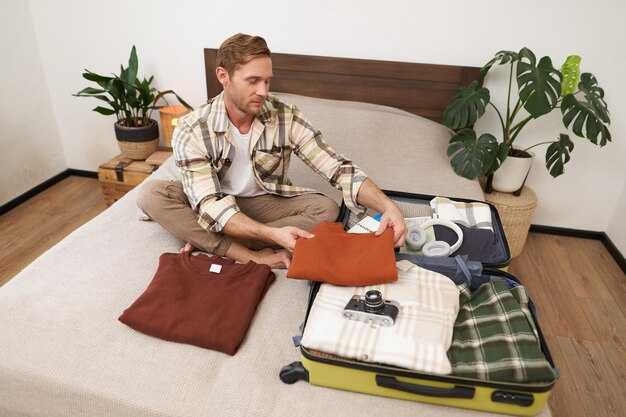
Do not pack gases or pressure vessels in checked luggage. Leave pressurized items at home or arrange proper transport; at the counter, personnel may refuse such goods and direct you to safer options. If youre unsure, ask for clarification before you arrive at the checkpoint.
- Gas cartridges, CO2 canisters, propane or butane fuel canisters, and other pressurized containers are not allowed in luggage.
- Scuba, diving, welding cylinders and oxygen cylinders must not travel in checked bags; arrange separate transport or leave behind.
- Paint, spray cans, aerosols and other pyrotechnic items are prohibited in checked luggage; carry only in carry-on if permitted and within limits.
- Cooking stoves that rely on gas canisters fall under dangerous goods rules; dispose of them or buy fresh at destination.
- Medical gases or life-support systems require prior carrier approval; do not assume permission is granted.
- Spare pressurized containers should not be packed; if you must travel with such items, coordinate with the carrier in advance.
Information on the label or the carrier’s dangerous goods policy shows exact rules; if you see a prohibition, refuse the item and seek disposal at the point of entry. For mobility devices such as a wheelchair, follow separate guidance for batteries and ensure devices remain safe for handling and transport; non-toxic labeling does not guarantee safety if the item is damaged. In any case, avoid placing these items in luggage next to drinks or other goods that may complicate screening.
Activation of a sealed container can cause a sudden release; never press a valve, puncture a canister, or heat any pressurized item in transit. Keep this topic in your packing plan to prevent delays and ensure safety at the airport.
Lithium batteries and power banks
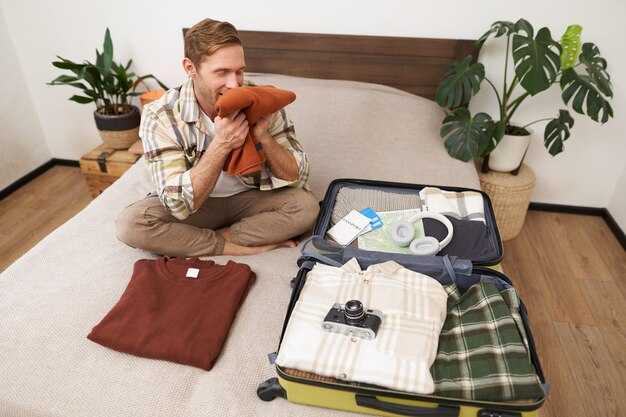
Carry-on only: keep lithium batteries and power banks in your carry-on luggage, never in checked bags. Disconnect devices from chargers and ensure terminals are protected to prevent short circuits. Before packing, verify capacity in watt-hours (Wh). If a traveler wants to stay compliant, switch to carry-on for all lithium items.
Capacity limits avoid risk: up to 100 Wh per battery can normally travel in carry-on without special approval; 100–160 Wh requires airline consent; above 160 Wh is not allowed on passenger flights. The reason is a fire risk that could affect the cabin and the engine, so meet these thresholds anywhere on the trip. Some guides mention the weight in gramsor, but airlines rely on Wh for limits. When in doubt, opt for the lowest-capacity option to keep things simple and safer.
Protection and packing: normally store batteries secured in protective cases or original packaging; taping over exposed terminals is recommended when a dedicated case isn’t available. Spare cartridges should be kept in a clearly labeled pouch to avoid contact with goods. Do not mix loose batteries with other devices in the same pocket; spot checks may occur during security screening, so have evidence of capacity and proper insulation ready. Then you can confidently travel with what you have, rather than leave items behind.
| Item | Ohje |
|---|---|
| Capacity (Wh) | Up to 100 Wh: carry-on allowed without approval. 100–160 Wh: airline approval required. >160 Wh: not allowed on passenger flights. |
| Spare batteries / power banks | Typically up to 2 spare batteries per passenger; keep them in carry-on and in protective packaging. |
| Protection | Terminals insulated; use protective cases; taping on exposed terminals advised if needed. |
| Packaging of cartridges | Store in a dedicated pouch to prevent contact with other goods; avoid loose contact. |