


 English (UK)
  Русский
  বাংলা
বাংলা  العربية
  日本語
日本語  한국어
한국어  Magyar
  Norsk nynorsk
  Türkçe
  עִבְרִית
  Español
  Čeština
  Svenska
  Português
  Ελληνικά
  Suomi
Suomi  Nederlands
  Română
  Italiano
  Français
  Polski
  Українська
  Deutsch
  简体中文
简体中文  Slovenčina
  Српски језик
  اردو
اردو  Azərbaycan dili
  O‘zbekcha
  አማርኛ
አማርኛ 

The Acropolis of Athens stands as a monumental testament to ancient Greek civilization, capturing the essence of a city that thrived under the leadership of great minds. Among its numerous temples, the Parthenon reigns supreme, a dazzling white structure that has become synonymous with Athenian pride and artistic achievement. Visitors often find themselves drawn to this architectural marvel, where the atmosphere is rich with history, inviting reflections on a time when the gods, including the mighty Zeus, were believed to shape everyday life.
As crowds gather to experience this historic site, it’s easy to observe the interplay between the ancient buildings and the modern world. Each entry point to the Acropolis leads visitors on a one-hour journey through time, revealing the intricacies of structures like the Erechtheion, which honors various deities and serves as a reminder of the political and spiritual dynamics of the period. This combination of history and natural beauty creates a photogenic experience that visitors, both local and international, find irresistible.
From the vantage points on this ancient outcrop, one can view the sprawling city of Athens below, a place where the echoes of the past resonate with the lives of millions today. Just as the Venetians once documented its beauty, modern travelers too are eager to record their visits, posting on social media and sharing their adventures with the world. The names of historic figures and events associated with the Acropolis remain etched in time, each story intertwining with others to form a rich tapestry that continues to inspire exploration and admiration throughout the year-round.
Hekatompedon of the Acropolis of Athens
The Hekatompedon, an early monumental structure located on the Acropolis of Athens, is a significant testament to ancient Greek architecture and religious practices. This temple, dedicated to the goddess Athena, was designed to showcase the power and wealth of the Athenian government, symbolizing the city’s devotion to its deities.
Construction of the Hekatompedon began around the 6th century BC, and its name, which means “hundred feet,” reflects its substantial length. Scholars believe that this temple stood as a precursor to the more famous Parthenon, combining architectural innovation with spiritual significance. Its large scale catered to the needs of the Athenians, who worshipped their deities in grand ceremonies throughout the year.
Despite its grandeur, the Hekatompedon has largely disappeared over time. Only fragments of its structure remain, leaving modern historians and archaeologists to piece together its former glory. Many of these fragmented pieces have been discovered and preserved in various museums, allowing visitors to glimpse the temple’s rich history.
Unique items such as ivory figures and gilded decorations were likely part of the temple’s interior, enhancing its spiritual atmosphere. The temple opened to the public during significant festivals, commanding the attention of crowds who gathered to witness religious worship and cultural events.
The site’s strategic location provided visitors with breathtaking views of the surrounding landscape, making it not only a place of worship but also an observation point for Athenian citizens. The Hekatompedon’s design reflected the early Greek ideals of harmony and proportion, which influenced later architectural developments throughout the region.
While much of the structure has been lost, the understanding of Hekatompedon continues to evolve as new discoveries are made. The excavation and study of its remnants have allowed scholars to learn about the construction techniques of the time, the materials used, and the religious practices associated with the temple.
In summary, the Hekatompedon of the Acropolis of Athens represents a critical moment in ancient history. Its architectural significance, combined with its role as a center of worship for Athenian society, makes it an essential part of understanding the cultural and spiritual background of ancient Greece.
Historical Significance of the Hekatompedon
The Hekatompedon, also known as the “hundred-footed” temple, holds a crucial place in Athenian history, serving as an early symbol of worship on the Acropolis site. Its location in the district of Athens made it a focal point for religious activities, and despite its incomplete condition, it has left an indelible mark on the legacy of ancient architecture.
This temple was associated with the worship of Athena and provided a sacred space that was perhaps intended to protect the Athenian state from foreign threats, particularly during the time of Xerxes and the Persian Wars. The significance of this site highlights the importance of religious devotion in maintaining civic pride and unity among the citizens of Athens.
Numerous discoveries of rubble and remnants from the Hekatompedon, alongside organized excavation efforts, have revealed extraordinary insights into the architectural developments of the period. Guided tours of the site allow visitors to observe the remains, which include stone blocks that give clues about the original layout and design. This attraction continues to draw hundreds of tourists, with long queues often forming outside hotels and cafes nearby.
As visitors come to the Acropolis to explore its riches, the Hekatompedon remains a rare example of early temple construction type that has apparently influenced subsequent structures, including the Parthenon. The enduring significance of this temple can’t be overstated; its existence symbolizes the resilience of Athenian spirit, flourishing even amidst the rubble of history. Therefore, the Hekatompedon serves not only as a historical observation spot but also as a testament to Athena’s role as both a protector and a source of inspiration for the city’s identity.
Architectural Features: What to Look For

The Acropolis of Athens is a testament to the ingenuity and artistry of ancient Greek architecture. When visiting this historic site, there are several architectural features that will enrich your experience, making it truly magical and memorable.
One of the first things to notice is the use of marbles in the construction of its temples. The Parthenon, for instance, showcases exquisite marbles that have been expertly crafted, capturing the essence of ancient Greek architectural principles. This temple stands as a collection of stunning elements that offer insight into the advanced architectural system of the time.
| Architectural Feature | Description |
|---|---|
| Entrances | The grand entrances, or propylea, provide a spectacular welcome to the site and highlight the site’s grandeur. |
| Odeon | This theater, while in a ruined condition, offers impressive acoustics and serves as a reminder of the cultural activities that took place here. |
| Pediments | The triangular sections above the entrances, adorned with sculptures, depict myths that were important to the Athenian people, as noted by ancient records, including those by Pausanias. |
| Temples | Temples such as the Erechtheion, dedicated to various gods, include elements like Caryatids that support the structure while adding to its beauty. |
Another significant aspect to focus on is the interplay of natural light and shadow across the ruins. This creates a picturesque view that varies throughout the day, enhancing the experience for visitors, including children, who find themselves captured by the enchanting atmosphere.
Historically, many treasures were kept in what is known as the treasury, notably artifacts that were later either stolen or destroyed, leaving behind fragments of Greece’s storied past. These historical elements reflect the heart of ancient life, showcasing how the people inhabited the space.
Lastly, don’t overlook the influence of Roman architecture that can still be seen today. Despite this partial shift in styles, the original Greek design remains true to its roots, making it an unforgettable part of the journey.
Artifacts and Their Cultural Context
The Acropolis of Athens is not just a monumental site; it serves as a gateway into the rich tapestry of ancient Greek civilization. The artifacts discovered here provide insights into the lives of Athenians through different centuries. Each artifact tells its own story, revealing the wealth of cultural practices that flourished under the shadows of these grand structures.
Among the most significant discoveries are fragments of pottery, ceremonial burners, and sculptures that line the slopes of this iconic hill. These items are not mere remnants; they reflect the technical mastery of ancient artisans and the cultural values of the time. For instance, during the Panathenaia festival, which celebrated the city’s patron goddess Athena, different artifacts would have been used in rituals, showcasing the religious fervor of the Athenians while also indicating their social dynamics.
Exploring these artifacts offers a fully immersive experience, and for those keen on diving deeper, platforms like GetYourGuide provide tailored trips that allow users to unlock the history behind each piece. As you navigate the site, questions may arise regarding the significance of each find. You will discover that, in its essence, the Acropolis is a record of conflicts and celebrations, with remnants of battles against invaders like Xerxes lying alongside evidence of civic pride and independence.
By the late Byzantine period, many artifacts were altered or repurposed, influenced by the time’s cultural shifts. The Crusaders left their mark as well, leading to a fascinating blend of artistic styles that can be appreciated by modern visitors. The photogenic qualities of the Acropolis–where the light dances on ancient stone–make it a popular subject for photography, pulling in those eager to capture its timeless beauty.
Admission to the site can often involve waiting in queue, but the experience is undeniably worth it. For an insider’s perspective, consider booking guided tours that enhance your understanding of the technical aspects involved in reconstructing these ancient structures. The Odeon, once a bustling center for the arts, stands as a testament to the Athenians’ passion for theater and public discourse, further emphasizing the cultural wealth held within this ancient city.
On a practical note, visitors should be aware of the different ticketing slots, with prices typically measured in euros, allowing access to key historical sites. Reaching the Acropolis involves traversing the remains of ancient streets, where technology meets history–an interplay that has endured since the city’s founding. Each step down these paths not only connects you with the past but also invites you to ponder the varied worlds that have existed here throughout time.
Guided Tours: Options for Visitors
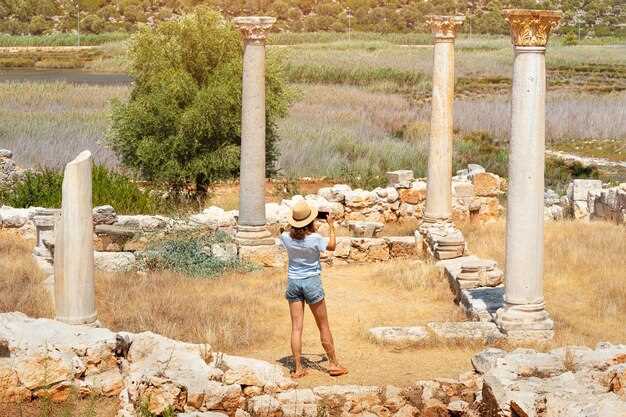
When exploring the Acropolis of Athens, guided tours present a fantastic opportunity for everyone to delve deeper into the monumental history of this iconic site. Options vary from independent explorations to organized group tours, allowing travelers to choose the experience that best suits their preferences.
For those who value independence, self-guided tours through platforms like GetYourGuide are highly recommended. These tours often provide detailed audio guides, enabling visitors to discover key monuments such as the Parthenon, the Erechtheion, and the Temple of Athena Nike at their own pace. This approach allows travelers to capture the magical ambiance of the hill while taking time to appreciate the intricate details of the caryatids and altars.
Alternatively, organized guided tours offer an enriching experience, combining insights from knowledgeable scholars and local experts. These tours typically last for at least one hour and are designed to take visitors through the most significant sites, including the Areopagus, where one can reflect on the historic significance of this ancient location. With technical expertise, guides often share stories and historical records that provide a deeper context for the ruins that surround the area.
For those looking to combine different experiences, some tours might include visits to nearby neighborhoods like Thisio, where travelers can enjoy local cafes and housing styles that date back to the 19th century. Such excursions enhance the overall journey, linking ancient history with the modern vibrancy of Athens.
Evening tours can provide a unique perspective, as the setting sun casts a warm glow on the Acropolis, transforming its silhouette into a breathtaking sight. Regardless of the chosen type, each guided tour aims to enhance the understanding of how these monuments symbolize a rich cultural heritage and the long-standing traditions of worship that defined ancient Greece.
In summary, the options for exploring the temples of the Acropolis are diverse, catering to various interests and preferences. Whether through independent discovery or curated experiences, the Acropolis awaits to offer an unforgettable journey through ancient history.
Tips for Exploring the Acropolis
Exploring the Acropolis is a magical journey through ancient history, and proper planning can enhance your experience. Here are some essential tips to ensure a memorable visit. First, consider wearing comfortable footwear. The rocky paths and steps can be challenging, especially during a one-hour exploration of the site.
Before your trip, it’s wise to read up on the history of the Acropolis on sources like Wikipedia. Understanding the significance of structures like the Parthenon and the Hekatompedon can provide deeper meaning to your visit.
Try to book your tickets in advance to avoid long lines, particularly during peak tourist seasons. By purchasing a discount ticket that covers multiple archaeological sites, you could save on costs and maximize your exploration of the region.
Arriving early in the day or later in the afternoon allows you to take advantage of the quieter atmosphere. This time provides a unique opportunity for observation and reflection on the impressive marbles and structures that have withstood the ages.
Take a moment to enjoy drinks from local stores that offer refreshing bottles of water to keep you hydrated. Given the sunlight and heat, it’s essential to look after yourself as you wander through this historic site.
While exploring, keep an eye out for the remarkable artifacts and sculptures that symbolize the artistic achievements of ancient Greek culture. Engaging with the stories of the priests who once worshiped here adds another layer to your experience.
Lastly, if you see items that pique your interest, consider recording your thoughts or taking notes. This way, you can share your journey with fellow travelers or refer back to your experiences later. Each visit to the Acropolis can be different, so make the choice to soak in its history, and you will leave with a sense of honor for the civilization that built these enduring structures.