


 English (UK)
  Русский
  বাংলা
বাংলা  العربية
  日本語
日本語  한국어
한국어  Magyar
  Norsk nynorsk
  Türkçe
  עִבְרִית
  Español
  Čeština
  Svenska
  Português
  Ελληνικά
  Suomi
Suomi  Nederlands
  Română
  Italiano
  Français
  Polski
  Українська
  Deutsch
  简体中文
简体中文  Slovenčina
  Српски језик
  اردو
اردو  Azərbaycan dili
  O‘zbekcha
  አማርኛ
አማርኛ 
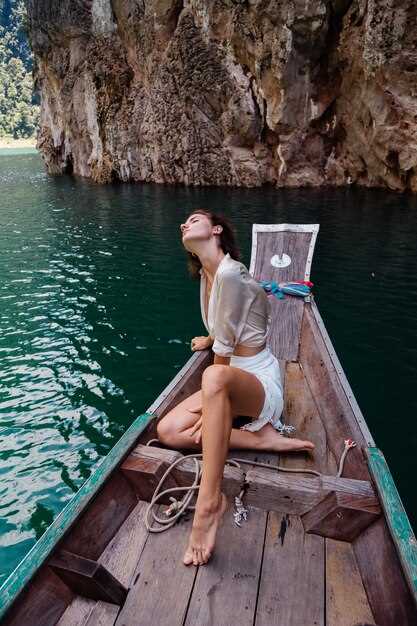
Croatia, a stunning destination nestled along the Adriatic Sea, is a treasure trove of diverse experiences that seamlessly blend relaxation and adventure. Vacationers have opted for this picturesque land for its exquisite offerings, which include pristine beaches, baroque palaces, and vibrant markets. As you explore this enchanting country, you will find that the scenery is generally breathtaking, with every turn revealing something new and captivating. Whether you are looking for a quiet morning on the seafront or planning a guided trek through the trails of the beautiful national parks, Croatia has something for everyone.
April is a particularly magical time to visit, as Croatia celebrates the arrival of spring. The weather is mild, making it easy to wander through historic locations such as Trogir and visit the impressive museums in Zagreb. Here, you can taste local delicacies and enjoy wine tasting excursions in the Zagorje region, famed for its vineyards. Don’t miss the vibrant nightlife in cities like Split, where music fills the air and the waves crash against the shores, setting the stage for unforgettable nights.
Planning your journey couldn’t be easier with the multitude of direct flights available, along with private transfers for a more luxurious experience. From the majestic waterfalls in Krka National Park to the fairy-tale town of Mostar in neighboring Bosnia, you will find that Croatia offers a perfect balance of adventure and leisure. With an official tourism coverage that provides helpful tips and organized trips, you can relax knowing that your experience will be well-rounded and enjoyable. Join us as we delve into the myriad of activities and locations that make Croatia a prized destination for travelers seeking both relaxation and adventure.
Travel Essentials for Your Croatian Adventure
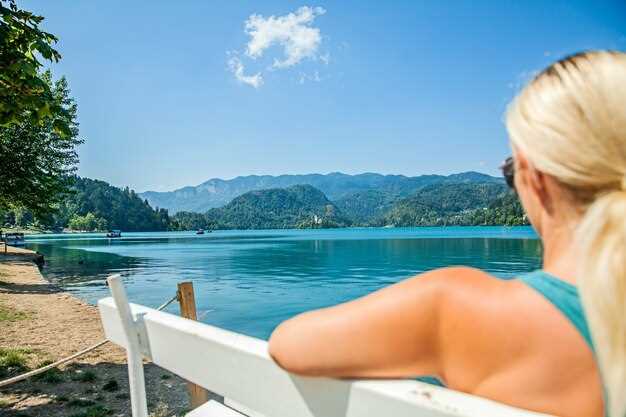
When planning your Croatian journey, ensure you have an organized inventory of travel essentials that support both relaxation and adventure. The country sees a variety of temperatures throughout the seasons, typically ranging from 10 to 30 degrees Celsius. Be prepared for crowded tourist areas, especially around famous landmarks like the Saint Mark’s Church in Zagreb or the ancient palace in Split. It’s worth noting that Croatia’s culinary offerings, such as local wines and cheeses, are an instrumental part of the experience. Enhancing your trip, consider joining a full-day tour that explores the northern regions, like Zagorje, where stunning hills and nature await. Don’t forget your camera to capture those instagrammable moments!
Additionally, familiarize yourself with the basics of the Croatian language to make interactions more engaging, especially in less touristy areas like Herzegovina. Opt for eco-friendly travel options that allow you to volunteer and support local communities. If you’re visiting during the peak season, it’s ideal to book accommodations, like a charming villa or boutique hotel, ahead of time to avoid the broken promises of last-minute plans. Exploring the beautiful peninsula regions, you’ll encounter interesting historical sites and meet friendly locals who leave a lasting impression on your adventure. Whether you’re taking a scenic cable car ride or wandering through local street markets, your Croatian adventure will be a delightful mix of exploration and relaxation.
Best Time to Visit Croatia
Croatia offers a diverse range of experiences, and choosing the best time to visit depends on the activities you’re looking to enjoy. If you aim for a perfect blend of relaxation and adventure, the months from late spring (May) to early autumn (September) are ideal. During this period, the weather is warm, allowing for splendid afternoons by the ocean. Visitors can explore historic cities like Dubrovnik and the stunning waterfalls of Krka National Park without the major crowds that swarm during peak summer months.
For those who appreciate fewer crowds, consider visiting in November. This month marks a transitional season, where you can still experience some festivities and local celebrations dedicated to traditional food and music. Although the temperatures are cooler, the charm of smaller, less crowded regions like Brač or the central village of Klis makes it a worthwhile experience. You can wander through the historic sites and discover hidden gems that are typically overlooked during the bustling summer.
| Month | Temperature (°C) | Activities |
|---|---|---|
| May | 18-25 | Hiking, Walking Tours |
| June | 20-28 | Beach Days, Sailing |
| September | 18-26 | Cultural Festivals, Wine Tours |
| November | 10-16 | Local Celebrations, Historic Sites |
The summer months, particularly July and August, can be quite crowded, especially around popular destinations like Dubrovnik and Split, famous for their stunning architecture reminiscent of the Renaissance period. While the busy season brings a vibrant atmosphere, it also means elevated prices and the challenge of finding accommodations. If you’re a foodie, you might want to experience the culinary delights available during this period, as many local markets and events celebrate seasonal produce and traditional Croatian dishes.
In conclusion, the best time to visit Croatia ultimately hinges on your preferences. If you seek adventure, enjoy hiking through the country’s national parks or riding bicycles across its breathtaking coastlines. For those looking for an authentic escape, the shoulder seasons of late spring and early autumn provide unique opportunities to relish Croatia’s best-preserved treasures without the overwhelming hustle. As you head to this fantastic country, remember to relax, enjoy the waves of the Adriatic, and embrace the cultural tapestry that makes Croatia so special.
Visa Requirements and Entry Restrictions
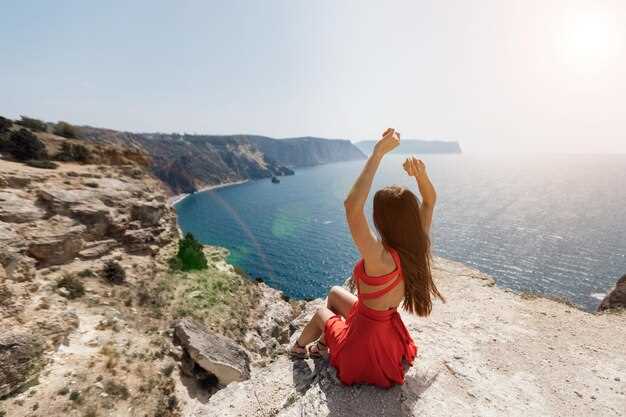
When planning your trip to Croatia, it’s essential to understand the visa requirements and entry restrictions that may affect your travel. The country welcomes tourists from various nations, allowing easy access to its scenic towns and historic sites. Travelers from the EU, the US, Canada, Australia, and New Zealand can enter Croatia without a visa for stays of up to 90 days within a 180-day period. For travelers from other countries, it is advisable to check the specific requirements according to nationality.
For visitors planning to enjoy the stunning Dalmatian coast, flights are readily available, often landing in major cities like Split and Zadar. If you’re coming from neighboring countries such as Bosnia and Herzegovina, the entry process is generally straightforward. However, you should have valid identification, proof of accommodation, and return tickets ready upon arrival, which will facilitate a smooth transition through customs.
During the summer months, Croatia becomes a popular tourist destination, with many people opting to take tours of its best-preserved historic sites. This rise in tourism also means that travelers need to be aware of local regulations, which can change from time to time. For example, travelers who plan to visit national parks like Kornati should ensure they have all necessary permits, especially if they intend to go swimming or cycling.
- Passport validity: Make sure your passport is valid for at least six months beyond your planned departure date.
- Health insurance: It is highly recommended to have insurance that covers health-related expenses during your stay.
- COVID-19 Regulations: Currently, there are no specific COVID-19 restrictions, but it’s wise to check for any updates before your travel.
Moreover, it’s important to keep an eye on any potential fluctuations in entry requirements; allowing for contingency plans is always a good strategy. Cultural events and music festivals are plentiful during the summer, drawing even more visitors. Depending on the timing of your travel, you might find promotions on hotel bookings, which can help you save money on your overall trip.
As you explore Croatia, consider the variety of local delicacies and wines the country offers. From excellent cheeses to the delectable truffles found near the Istria region, food is an integral part of Croatian culture. Planning a culinary tour can make your experience all the more memorable, as you traverse between stunning coastal towns and the beautiful countryside.
In conclusion, with proper preparation and knowledge of visa requirements, you can enjoy all that Croatia has to offer. Whether it’s lounging on a sun-kissed beach, cycling in nature, or exploring historic towns, your experience in this stunning destination will be unforgettable. Ensure that you stay updated on any potential changes in regulations to make the most of your adventure.
Currency and Payment Methods
In Croatia, the official currency is the Kuna (HRK), and it’s essential for travelers to familiarize themselves with it before embarking on their journey. The Kuna is divided into 100 lipa, and you’ll find that most prices are displayed in kuna throughout the country, from bustling cities to tranquil coastal towns. While some establishments may accept euros, especially in tourist areas, it’s advisable to have kuna on hand for the ultimate experience.
Travelers should consider various payment methods while exploring Croatia. Credit and debit cards are widely accepted in cities and at many tourist sites. However, for those venturing outside urban areas or visiting small, unique markets and local eateries, carrying cash is a necessity. It’s worth noting that some businesses may impose a minimum spend for card transactions, which could lead to unexpected inconveniences.
ATMs are readily available, and withdrawing cash is straightforward for visitors. Major banks allow travelers to withdraw kuna using cards from the United States or European countries, but watch out for any potential foreign transaction fees. It’s wise to inform your bank of your travel plans to avoid any disruptions during your trip.
During the summer months, Croatia becomes a popular destination for tourists, particularly in historic towns along the coast. While enjoying stunning beaches or the lush landscapes of Herzegovina, be sure to stop by local markets for food and wines. These offerings provide a unique tasting experience and are often best paid for in cash to ensure local producers benefit fully.
When visiting museums, cathedrals, and other significant sites, entrance fees are typically paid in kuna. Therefore, having a small amount of cash can enhance your experience, allowing for seamless transitions through the vibrant street life and cultural heritage of Croatia. Interestingly, some museums may even offer discounts for students or groups when paying in cash, making it an economical option.
Lastly, if you’re planning activities such as cycling tours or boat trips, it’s advisable to confirm payment methods beforehand. Some tour operators might provide discounts for cash payments, while others may prefer card transactions. Regardless, having kuna will ensure you’re prepared for any adventure that comes your way, making your travel experiences both enjoyable and hassle-free.