


 Español
  English (UK)
  Русский
  বাংলা
বাংলা  العربية
  日本語
日本語  한국어
한국어  Magyar
  Norsk nynorsk
  Türkçe
  עִבְרִית
  Čeština
  Svenska
  Português
  Ελληνικά
  Suomi
Suomi  Nederlands
  Română
  Italiano
  Français
  Polski
  Українська
  Deutsch
  简体中文
简体中文  Slovenčina
  Српски језик
  اردو
اردو  Azərbaycan dili
  O‘zbekcha
  አማርኛ
አማርኛ 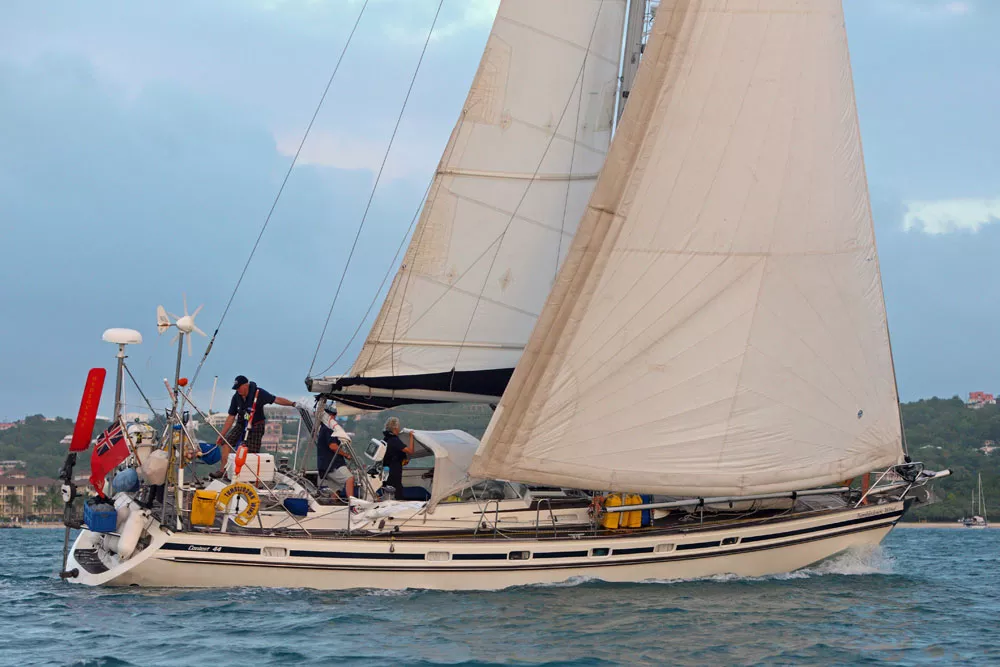 Eligiendo entre un piloto automático de viento y un piloto automático electrónico para travesías oceánicas">

Power budgets on passage: a decisive factor
On a typical ocean leg, an electronic autopilot can draw 10–30 amps when driving hydraulic rams or heavy quadrant systems at speed, while a properly configured windvane system consumes zero electrical amps. That energy delta directly affects generator schedules, solar and alternator sizing, and the stowage of spare fuel—factors that shape logistics for any extended cruise or charter operation.
Head-to-head: mechanical vane vs electronic autopilot
The two systems approach steering from different control philosophies: one reacts to the viento aparente and preserves sail trim, the other pursues compass or GPS headings and excels under power. For skippers planning multi-day offshore legs, the operational profile—motoring hours, expected wind patterns, and battery capacity—determines the optimal blend of devices.
| Característico | Veleta de viento | Piloto automático electrónico |
| Power Consumption | Zero; entirely mechanical | Significant; can deplete battery banks |
| Steering Basis | Apparent wind angle | Compass heading / GPS waypoint |
| Rendimiento a Vela | Excellent; maintains efficient sail trim | Good; may hunt a magnetic heading and demand more sail trimming |
| Performance Under Power | Not applicable | Essential; best choice for motoring |
| Reliability & Repair | Mechanically robust; field-repairable | Complex; electronic failures are harder to fix at sea |
| Initial Cost | High, often comparable to mid-range autopilots | Variable: from basic tiller pilots to high-end hydraulic systems |
The mechanics behind windvane ingenuity
A veleta functions as a mechanical control loop: it senses the apparent wind, converts small angular deflections into steering impulses, and uses hydrodynamic leverage to move the main rudder or a trim tab. This feedback keeps the yacht on a stable course relative to the wind, which is ideal for conserving energy and maintaining comfortable sail trim on long passages.
Sensing the apparent wind
The vane acts like a masthead indicator: change the angle of attack and the vane tilts, producing a corrective input. The system continuously adjusts as true wind veers or backs so the boat holds its relative wind angle—this is why a vane often delivers a smoother ride than an autopilot while under sail.
The vane and linkage designs
- Vertical-axis vanes pivot like a weathercock; they are lightweight but produce relatively small steering forces.
- Horizontal-axis vanes are inclined and expose a larger face area when deflected, producing substantially more leverage—often the choice for larger yachts.
Translating small impulses into large forces
Two common servo mechanisms turn minor vane motion into substantial rudder authority:
- Trim tab: the vane alters a small tab on the rudder; water flow on the tab then moves the rudder.
- Servo-pendulum: the vane actuates a submerged blade whose hydrodynamic force provides strong, speed-scaled steering torque.
Operational considerations for blue-water sailors
Choice of gear depends on boat size, steering arrangement (tiller vs wheel), expected sea state, and the balance between motoring and sailing. Many modern passagemakers adopt a hybrid approach: a windvane for sustained sailing efficiency and an electronic autopilot for harbor work, channel transits, or engine-driven legs.
Power management and charging
When relying on an electronic autopilot, charging capacity must match peak draw: alternators, solar arrays, and portable generators need planning. Conversely, a windvane reduces electrical demand, freeing capacity for refrigeration, communications, and navigation electronics—again affecting provisioning and itinerary choices for cruising guests.
Consejos prácticos de un vistazo
- Fit a windvane if you expect long downwind or reach passages and want to minimise fuel and generator use.
- Use an autopilot for tight navigational control, motoring, and GPS waypoint tracking.
- Maintain a basic toolbox and spares for mechanical vane repairs; electronics require specialist parts.
Even with excellent gear reviews and honest feedback, nothing substitutes personal time at the helm. Booking a trial charter or coastal cruise to test steering setups under real conditions is invaluable. On GetExperience, you can reserve experiences with verified providers at reasonable prices, compare equipment in practical use, and avoid unnecessary expenses or disappointments—Book your Trip GetExperience.com
Wrap-up: Selecting between a veleta y un electronic autopilot is a trade-off between energy consumption, reliability, and control precision. Windvanes excel for efficient, low-power sailing on extended passages; autopilots dominate when motoring or when precise GPS steering is required. For travel experiences, from yacht parties and exclusive yacht charters for events to cruise packages and eco-friendly wildlife safaris, understanding steering systems helps plan logistics and safety. Whether you prefer adventure activities like adventure rafting trips for beginners or luxury adventure travel experiences, or cultural options such as museum tours with live guides and interactive online cultural workshops, choosing the right steering setup affects onboard comfort and itinerary flexibility. Consider combining systems where possible to enjoy the best of both worlds: lower power draw, reliable passage-making, and the navigational confidence to expand your travel experiences.