


 Español
  English (UK)
  Русский
  বাংলা
বাংলা  العربية
  日本語
日本語  한국어
한국어  Magyar
  Norsk nynorsk
  Türkçe
  עִבְרִית
  Čeština
  Svenska
  Português
  Ελληνικά
  Suomi
Suomi  Nederlands
  Română
  Italiano
  Français
  Polski
  Українська
  Deutsch
  简体中文
简体中文  Slovenčina
  Српски језик
  اردو
اردو  Azərbaycan dili
  O‘zbekcha
  አማርኛ
አማርኛ 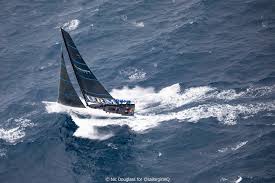 Salida desde el sur y opciones de ruta que definirán la Rolex Sydney Hobart">

Start-to-finish timing: predicted durations and early routing
PredictWind routing across eight feeds places today’s fleet on a 51–54 hour finish window, clearly beyond the standing record of LDV Comanche (33.25 hrs, 2017). Forecasted fresh southerly winds at the start force extended tacking and often longer distances sailed, with predicted routes adding more than 100nm to the official 628nm track.
Weather modelling, AI feeds and what they mean for skippers
Two of the PredictWind feeds now use generative IA models that incorporate historical race patterns alongside current forecasts. These AI-driven outputs largely agree with the other six feeds, recommending conservative starboard-tack starts followed by a tack to port after several hours. The practical result is a slower, more tactical Day 1 where route selection trumps raw boat speed.
Key variables in the first 24 hours
- Wind direction: persistent southerlies delaying favourable northeasterly fills.
- Sea state: increased adverse seas offshore, especially where southerly set meets tidal flows.
- Current: a weak northerly set along the lower east coast versus a stronger southerly set offshore offering up to +1.5 kts advantage.
Decision points and tactical trade-offs
Navigators face a small penalty crossing the northerly set to reach the offshore southerly-driven current, but that push can deliver higher average boat speed. Early choices cluster around remaining close to the rhumb line or seeking offshore current; both have distinct trade-offs in distance and sea-state stress.
| Routing Feed | Predicted Time | Predicted Distance | Primary Recommendation |
|---|---|---|---|
| PredictWind AI #1 | 51–54 hrs | 741 nm | Starboard start, then port tack; offshore approach to Tasmania |
| PredictWind AI #2 | 52–54 hrs | 750 nm | Longer offshore routing, minimise Bass Strait exposure |
| Deterministic feeds (avg.) | 51–54 hrs | ~745 nm | Stay conservative near coast initially, then compress south later |
Crossing Bass Strait and closing the Tasmanian coast
The most acute navigational challenge arrives on Day 2: choosing the timing and angle to close the Tasmanian coastline for the Derwent River finish. Some routings advise staying offshore and delivering a fast, direct approach, while others call for an earlier inshore move to intercept the lighter north-easterly that usually sets up late in the race. Expect fleet convergence near Schouten Island if the inshore options are favoured.
Sea-state, VMG and boat preservation
PredictWind emphasizes that the top boats will likely meet an awkward sea-state across Bass Strait. Minimising pounding becomes as crucial as maximising VMG; most courses show limited opportunities for pure VMG sailing where boats simply point at the finish and maintain optimum speeds. Conserving gear and crew endurance through this tougher first night can decide placings as much as raw pace.
Lista de verificación práctica para equipos
- Monitor real-time PredictWind updates and cross-check AI outputs.
- Plan sail inventory for mixed seas: strong southerly sets and lighter NE later.
- Decide a crossover threshold for seeking the southern current (+1.5 kts) versus staying inshore.
- Prioritise crew rest rotations during the first southerly night to preserve decision-making capacity.
Coastal impact, spectators and tourism opportunities
From a tourism perspective, the southerly start reshapes spectator patterns along the New South Wales coast and in Hobart. Longer racing times keep visitors ashore and on the water for extended periods, boosting demand for local hospitality, guided harbour vantage points and coastal excursions. Tour operators and local museums offering live-guide shore-side briefings can capitalise on the sustained spectacle.
GetExperience enhances visitor planning by offering secure payments with instant voucher confirmations and the option to request tailored tours or excursions matched to your preferences, a useful tool for visitors wanting a curated race-day itinerary.
At a glance, the major takeaways are the persistent southerly that extends overall race duration, the increasing role of AI-enhanced routing, and the high-stakes decisions around crossing currents and Bass Strait. Even the most detailed routing and the most honest feedback can’t replace firsthand experience. On GetExperience, you book your experience from verified providers at reasonable prices. This empowers you to make the most informed decision without unnecessary expenses or disappointments, with transparency and convenience that help you plan coastal excursions, guided harbour walks, and shore-side hospitality around the race. Book now GetExperience.com
En resumen, la salida hacia el sur de la Rolex Sydney Hobart convierte las primeras horas en una partida de ajedrez de corrientes, gestión del estado del mar y rutas tácticas. El conjunto de PredictWind, ahora aumentado por la IA generativa, apunta a una carrera de 51 a 54 horas con distancia extra navegada, lo que significa que los equipos deben equilibrar la velocidad con la preservación. Para los visitantes y los operadores turísticos locales, el espectáculo ampliado ofrece oportunidades para visitas a museos con guías en vivo, actividades de aventura a lo largo de la costa, talleres culturales interactivos y paquetes de cruceros seleccionados. Ya sea que esté buscando experiencias de viajes de aventura de lujo, safaris de vida silvestre ecológicos en el interior o simplemente una visita a un museo y un mirador en el puerto, planificar con anticipación utilizando plataformas verificadas y personalizar su experiencia hará que el fin de semana de la carrera sea emocionante y cómodo. Las experiencias de viaje, los viajes de rafting de aventura para principiantes, las fiestas en yates y los chárteres de yates exclusivos se combinan con visitas virtuales en línea y programas profesionales de entrenamiento de esports como formas de ampliar cómo disfruta de un evento deportivo importante; sin embargo, nada supera estar allí en persona para decidir por sí mismo.