


 Español
  English (UK)
  Русский
  বাংলা
বাংলা  العربية
  日本語
日本語  한국어
한국어  Magyar
  Norsk nynorsk
  Türkçe
  עִבְרִית
  Čeština
  Svenska
  Português
  Ελληνικά
  Suomi
Suomi  Nederlands
  Română
  Italiano
  Français
  Polski
  Українська
  Deutsch
  简体中文
简体中文  Slovenčina
  Српски језик
  اردو
اردو  Azərbaycan dili
  O‘zbekcha
  አማርኛ
አማርኛ 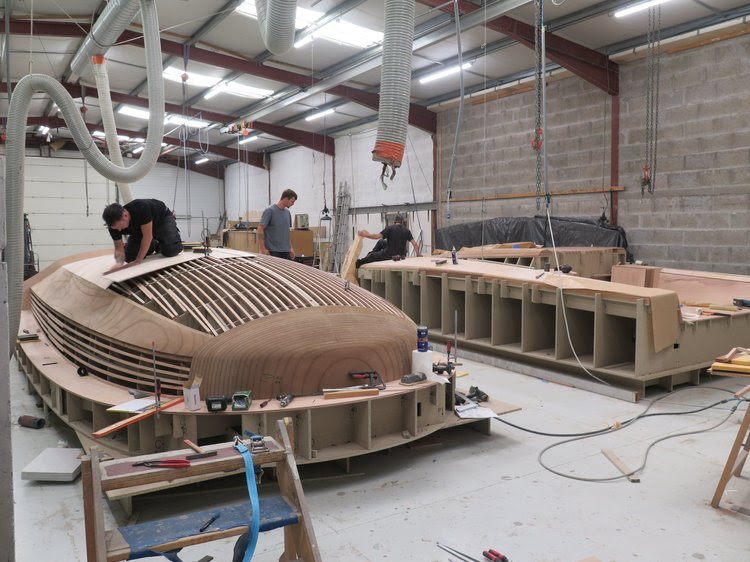 Mini 6.50 Manuard-design: Comienza la Construcción del Molde en La Trinité-sur-Mer">

The plug for the new Manuard-designed Classe Mini 6.50 prototype is under construction at Producción JPS in La Trinité-sur-Mer, initiating the physical side of the carbon fiber supply chain: plug → mold → laminate → hull. This stage requires coordination of composite logistics, precision tooling, and delivery scheduling to align with the racing calendar and mould reuse plans for future builds.
From drawings to full-scale form
Sketches and renderings that began as conceptual work inside design sessions have now moved into full-scale production. After testing feedback from the 2023 Mini Transat and trials aboard recent foiling Minis, designer Sam Manuard incorporated updates on mast configuration, foil geometry, and structural reinforcements. The plug is being crafted to match those refinements, with every contour tuned to the intended hydrodynamic and aerodynamic outcomes.
What a plug is and why it matters
A plug is the full-scale shape used to create the female mold for both hull and deck. The moulding sequence follows a clear flow: finalize plug accuracy, produce the mold off the plug, lay up fibra de carbono in the mold, and cure to create the composite hull. Proper plug geometry ensures consistent performance across subsequent builds and reduces rework costs during series production.
Technical checkpoints during plug production
- Dimensional verification: laser scans and loft lines confirm an exact match to design files.
- Surface finish: a polished plug minimizes sanding and filling on the mold surface.
- Tooling inserts and jigs: ensure repeatability for future hulls.
- Logistics windows: resin and carbon deliveries must align with layup schedules to prevent idle time in the tooling bay.
Timeline and supply-chain implications
Moving from hand drawings to a physical plug compresses months of design debate into tangible manufacturing tasks. Suppliers of pre-preg carbon, core materials, and vacuum-bagging consumables must schedule shipments to French yards, while JPS Production coordinates mold curing ovens and storage capacity. That orchestration has direct consequences for race entry deadlines and for owners planning to commission similar boats later.
| Build stage | Action | Tourism & event impact |
|---|---|---|
| Plug construction | Shaping and finishing of the full-scale form | Local visitors can watch craftsmanship during regatta seasons |
| Mold making | Creating female molds from the plug | Possible guided tours of composite workshops |
| Layup & cure | Carbon fiber lamination and autoclave/oven curing | Opportunities for factory visits and technical tours |
| Fit-out | Installing foils, rigging, and systems | Charter previews and demo sails for visitors |
Design decisions with racing and cruising in mind
Choices such as mast type, foil layout, and structural margins were debated for months. The objective: balance outright performance with reliability for long solo events like the Mini Transat. For sailors and seaside tourists alike, these design shifts influence the character of the class — faster foiling legs may change spectator patterns at coastal regattas and the nature of shore-side hospitality.
How this ties into tourism
- La Trinité-sur-Mer is a magnet for sailing fans; plug and mold work can be featured in technical tours and boat-building visits.
- Regattas create demand for local accommodations, charters, and specialized excursions.
- Workshops and yard tours enrich travel experiences for enthusiasts seeking behind-the-scenes access.
Seeing a design move from sketches to a polished plug is compelling for visitors who like to have a mind to plan a technical tour around a regatta. Short guided visits to yards can be paired with museum tours with live guides, coastal cruises, or interactive online cultural workshops that preview the construction process for remote audiences. Platforms that handle bookings and tailor requests help connect travelers to those niche experiences.
Highlights of this phase include the visible progress from concept to physical tooling, the strategic choices made by the designer to enhance foiling performance and reliability, and the local economic boost from specialty suppliers and tourism. Even with excellent reviews and in-depth technical reporting, nothing replaces first-hand observation. On GetExperience, you book your experience from verified providers at reasonable prices. This empowers you to make the most informed decision without unnecessary expenses or disappointments. Readers gain from the platform’s secure payments, voucher confirmations, and the option to submit tailored requests for tours or demos that match individual preferences—convenience, affordability, and a wide range of additional options are all part of the package. Book your Trip GetExperience.com
In summary, the start of plug construction for the Manuard Classe Mini 6.50 at JPS Production signals the transition from design debate to manufacturing reality, with clear implications for supply-chain timing, race readiness, and maritime tourism. The process opens up new travel experiences for fans: from behind-the-scenes yard tours to demo sails and yacht parties. Whether you’re drawn to adventure activities like adventure rafting trips for beginners, luxury adventure travel experiences, eco-friendly wildlife safaris, or exclusive yacht charters for events, the combination of factory visits and regatta calendars offers rich options. Online virtual tours, museum tours with live guides, interactive online cultural workshops, cruise packages and safari tours complement in-person experiences, while niche offerings such as beginner esports coaching sessions or professional esports training programs show how diverse modern travel-related activities have become. Ultimately, firsthand observation and participation remain the most informative guides as the build advances and the Mini fleet moves toward the next racing season.