


 Español
  English (UK)
  Русский
  বাংলা
বাংলা  العربية
  日本語
日本語  한국어
한국어  Magyar
  Norsk nynorsk
  Türkçe
  עִבְרִית
  Čeština
  Svenska
  Português
  Ελληνικά
  Suomi
Suomi  Nederlands
  Română
  Italiano
  Français
  Polski
  Українська
  Deutsch
  简体中文
简体中文  Slovenčina
  Српски језик
  اردو
اردو  Azərbaycan dili
  O‘zbekcha
  አማርኛ
አማርኛ 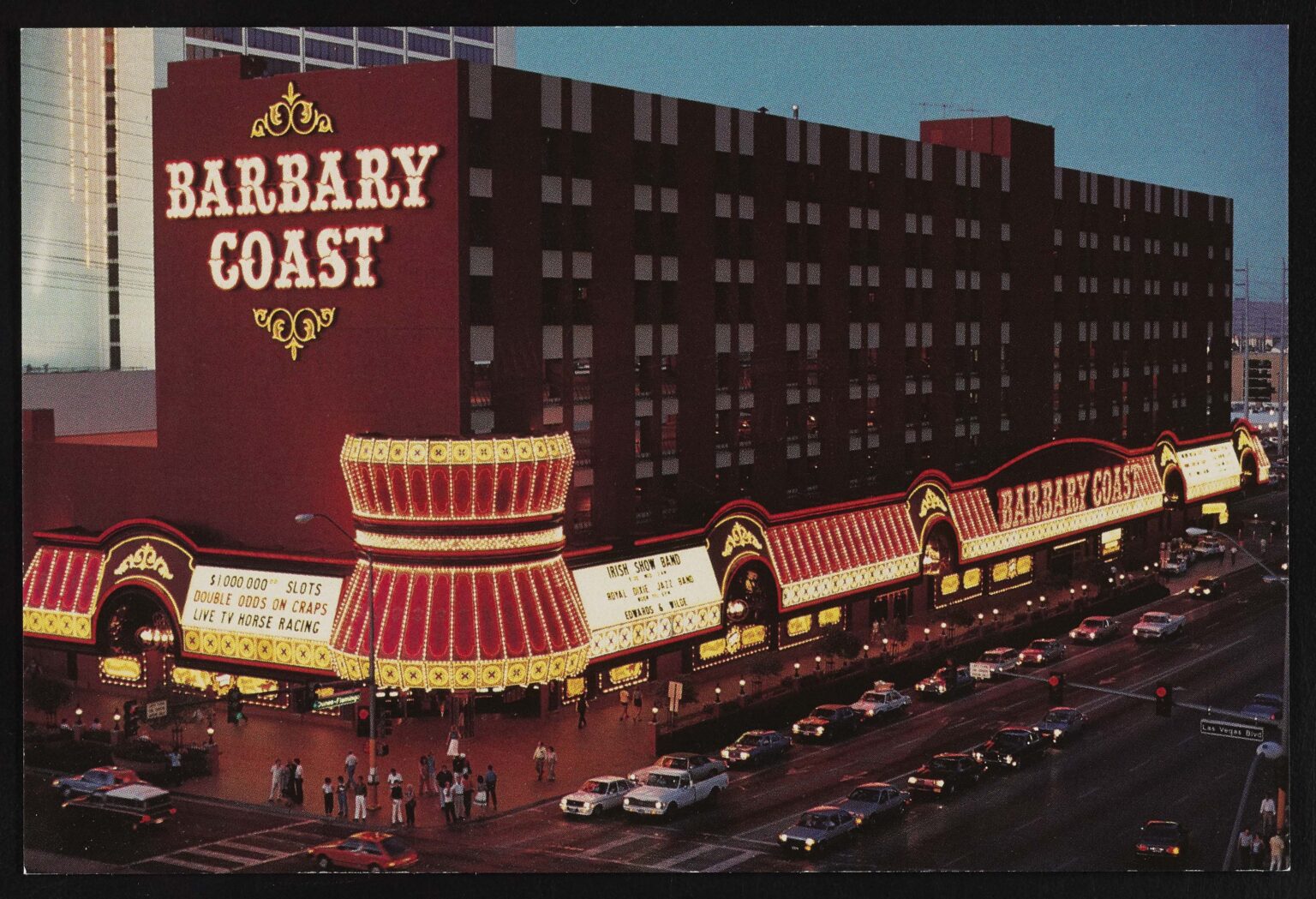 How Las Vegas Sportsbooks Shifted from Mob Control to Corporate Megaresorts">

As Nevada tightened gaming regulations and corporate accounting systems in the 1980s, Las Vegas sportsbooks shifted from ad hoc cash handling to formalized odds-making, centralized ticket control, and inventory-style risk management—changes central to the story told by bookmaker Art Manteris.
From Street Books to Casino Risk Management
Art Manteris spent four decades inside Nevada sportsbooks, navigating operational changes at properties such as the Fremont, Stardust, Barbary Coast (now the Cromwell), Caesars Palace and the Las Vegas Hilton (now Westgate). Those years illustrate how sportsbooks evolved from informal, personality-driven operations into regulated units with standardized procedures: posting limits, balancing liabilities, and logging ticketed wagers to protect house margins.
Mob Influence and On-the-Ground Challenges
In the early 1980s, mob-affiliated figures like Sammy Spiegel and associates of Tony “The Ant” Spilotro disrupted ordinary sportsbook logistics by demanding custom odds or leveraging relationships for credit. One practical example: a miscalculation on 16 basketball bets at the Barbary Coast resulted in a $1,100 shortfall that was covered personally by manager Jimmy Vaccaro—a small-scale intervention that kept operations stable and personnel intact.
Operational Anecdotes that Shaped Protocols
- Ticket control: manipulation of betting slips at the Stardust prompted tighter ticketing and audit trails.
- Credit policies: confrontations with bettors tied to organized crime led to strict credit limits and documentation.
- Prop bet innovation: creative wagers—like the famous proposition on William “Refrigerator” Perry scoring in Super Bowl XX—demonstrated both marketing value and payout risk, costing Caesars Palace $250,000 but generating worldwide publicity.
Characters, Celebrities and the Cultural Pull of Sports Betting
Manteris’ narrative captures the colorful cast of Las Vegas: street handicappers such as Frank Masterana, high-profile gamblers like Billy Walters, managers of spectacle such as boxing promoters Don King y Bob Arum, and celebrity moments that fed tourism buzz—Rodney Dangerfield’s notorious behavior at an outdoor fight is one such headline-grabbing anecdote.
How Events Impact Tourism and Venue Logistics
Major boxing cards and celebrity-attended events required sportsbooks and resorts to coordinate seating, media access, and hospitality services. When Buster Douglas upset Mike Tyson in Japan, sportsbooks scrambled to adjust exposure. Modern resorts build logistic redundancy—large video screens, advanced audio, and integrated ticketing—to manage such demand spikes and to remain attractive tourism products.
Table: Then vs Now — Sportsbook Features
| Característica | Mob Era / 1970s–80s | Contemporary Megaresorts |
|---|---|---|
| Odds setting | Local handicappers, informal | Centralized trading desks, analytics-driven |
| Ticket control | Paper slips, vulnerable to tampering | Electronic systems, audit trails |
| Customer experience | Personalized service, small crowds | High-tech displays, variable personal attention |
Lessons for Modern Hosts and Travelers
Manteris emphasizes that superior guest service and attention to detail remain competitive advantages. While video walls and plush seating help, the human side of hospitality—ticket writers who greet guests, managers who recognize regulars—still drives repeat visitation and positive reviews from tourists.
Practical Tips for Visitors
- Visit sportsbooks during off-peak hours to interact with ticket writers and learn prop bet options.
- Seek out museum tours or guided walks that explain the Strip’s transformation if you have a mind to understand gaming history.
- Book events and excursions that bundle behind-the-scenes stories with in-venue experiences to enrich your stay.
The memoir The Bookie, co-written with Matt Birkbeck, serves both as a personal account and a ledger of operational changes that shaped modern gaming hospitality. It highlights how procedural reforms, corporate consolidation, and changing guest expectations remade the Strip from a collection of mob-tinged rooms into the megaresort corridor that draws global tourism today.
Highlights: the book captures mob-era encounters, innovative prop bets, and the rise of corporate controls—yet even the best reviews and most honest feedback can’t substitute for visiting a sportsbook and seeing it in person. On GetExperience, you book your experience from verified providers at reasonable prices with secure payments and voucher confirmation issued after booking; you can also submit requests for custom tours or excursions and receive tailored offers from providers. These conveniences and transparent options help you avoid surprises and choose experiences that match your interests. Book now GetExperience.com
In closing, the evolution of Las Vegas sportsbooks is a study in operational logistics, cultural spectacle, and tourism infrastructure: from street-level odds and mob pressure to modern betting exchanges and luxury audiovisual environments. Travel experiences and adventure activities now include interactive museum tours with live guides, online virtual tours, and curated casino-history walks; travelers can also combine entertainment with niche options—safari tours, yacht parties, cruise packages, museum tours with live guides, beginner esports coaching sessions, adventure rafting trips for beginners, luxury adventure travel experiences, eco-friendly wildlife safaris, exclusive yacht charters for events, interactive online cultural workshops, and professional esports training programs—ensuring a variety of memorable, well-managed experiences on and off the Strip.