


 Español
  English (UK)
  Русский
  বাংলা
বাংলা  العربية
  日本語
日本語  한국어
한국어  Magyar
  Norsk nynorsk
  Türkçe
  עִבְרִית
  Čeština
  Svenska
  Português
  Ελληνικά
  Suomi
Suomi  Nederlands
  Română
  Italiano
  Français
  Polski
  Українська
  Deutsch
  简体中文
简体中文  Slovenčina
  Српски језик
  اردو
اردو  Azərbaycan dili
  O‘zbekcha
  አማርኛ
አማርኛ 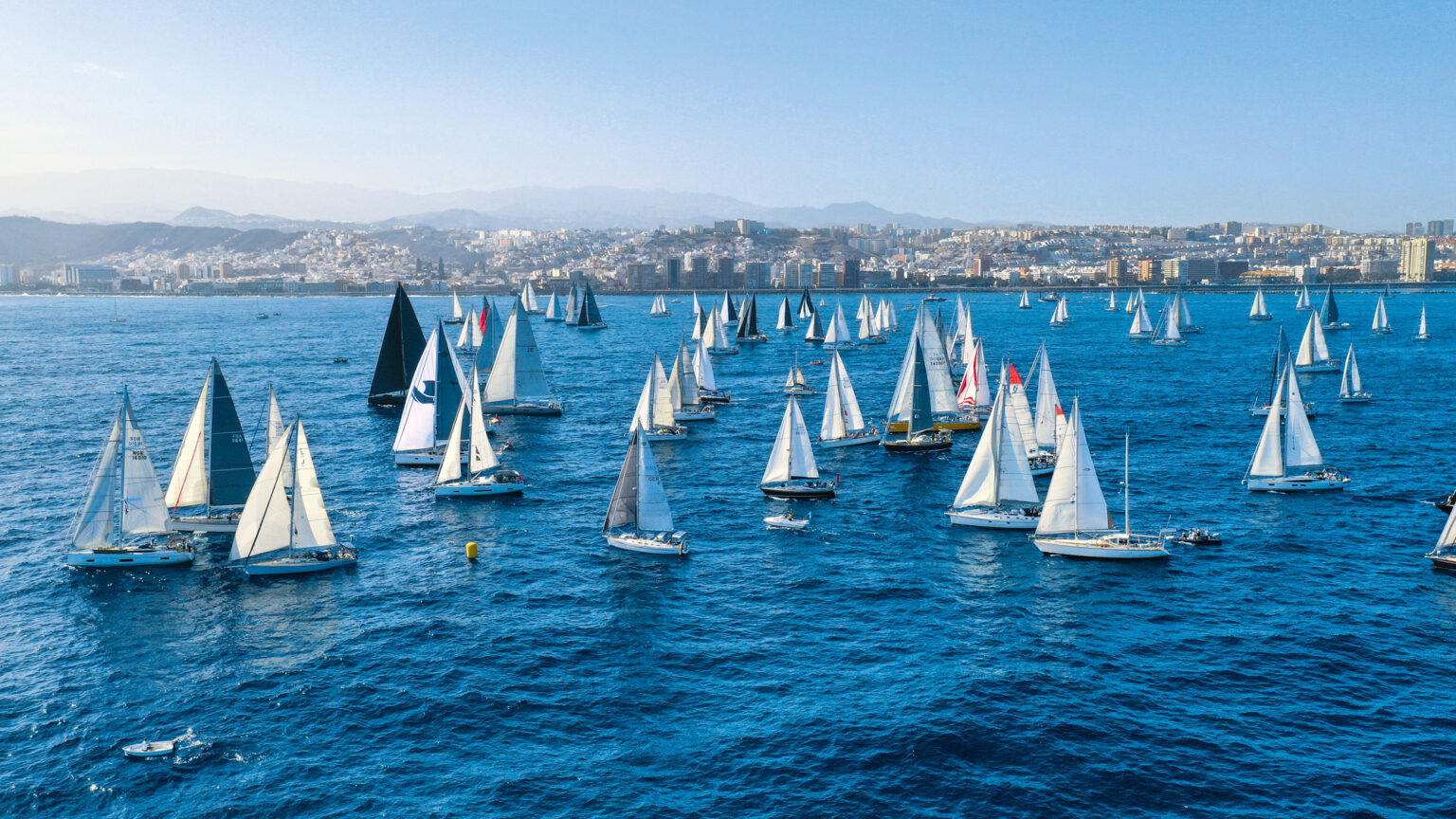 Cuarenta Años del ARC: Orígenes, Administración del World Cruising Club y Crecimiento de la Flota">

Las Palmas regularly handles a concentrated surge of arrivals and departures around the ARC start window: in the latest season 145 yates left on the ARC and a further 56 on ARC+ two weeks earlier, while marina capacity is effectively capped at about 175 berths because many multihulls require double finger pontoon spaces or hammerheads.
Origins and early logistics
The ARC began from a clear operational need observed in the mid‑1980s: hundreds of individual ocean crossings departing at different times created safety and coordination challenges. That led Jimmy Cornell to propose a structured rally, and in November 1986 209 boats departed Las Palmas for Barbados under an organised framework that emphasised inspections, safety checks and group support.
Safety‑first framework
The rally’s early mandate required pre‑departure scrutineering for seaworthiness and required safety equipment. That regime — inspections, mandatory safety kit and a defined rule set — became a model replicated by other rallies worldwide and remains central to the ARC’s identity.
Support services on site
- Marine yards: Rolnautic and local boatyards handling repairs and haul-outs.
- Rigging specialists: Alisios and similar companies offering last‑minute rig checks.
- Logistics partners: grocery delivery, offshore medical kit suppliers and pharmacies.
- Charter and berthing services: operators that facilitate pay‑per‑berth crossings.
How routes and events evolved
After four editions finishing in Barbados, the rally moved its Caribbean finish to Rodney Bay, Saint Lucia in 1990. Extensions and sister events followed: ARC Portugal (1995), ARC Europe (2000), the ARC+ (introduced 2013) and later the World ARC circumnavigation (2008). The rise of linked events provided flexible routing for cruisers and returners and strengthened seasonal tourism links between Las Palmas and Caribbean ports.
| Año | Comenzar | Finish | Notable change |
|---|---|---|---|
| 1986 | Las Palmas | Bridgetown (Barbados) | First organised transatlantic rally (209 boats) |
| 1990 | Las Palmas | Rodney Bay, Santa Lucía | New Caribbean home port |
| 2013 | Las Palmas | Grenada via Cape Verde (ARC+) | Family‑friendly stopover route |
Fleet composition and berthing pressure
Fleet demographics have shifted markedly: multihulls now represent roughly 30–40% of entrants, and overall yacht sizes have grown. The largest boats can now exceed 100ft — this year the Wally Vantanera topped the list — and brands such as Oyster, Swan, Baltic and Contest feature prominently. As boats have grown, so too have demands on port infrastructure and berthing strategy.
- Racing ambitions are managed via a dedicated Racing Division under IRC; cruising crews remain the majority.
- Charter operations use ARC schedules as a product offering — pay‑per‑berth crossings are a regular bucket‑list option.
- Technology and comfort upgrades (Starlink, Navionics apps, solar, watermakers) make crossings more accessible to family crews.
Preparation and community advantages
Many skippers recommend early and phased boat‑prep: routine checks, systems upgrades and provisioning long before arrival in Las Palmas. The rally’s real advantage is communal: scrutineering teams, experienced volunteers (the familiar “yellow shirts”) and neighbours on the pontoons create an onboarding and safety network that reduces risk for first‑timers.
Tourism and local economy impact
Beyond the fleet, the ARC is a tourism amplifier. Las Palmas and Caribbean host ports see added demand for accommodation, dining, charter services and excursion suppliers. Operators such as Oyster Yachts and Grand Large Yachting run marque rallies that funnel clients into local tourism circuits, while charter crews often extend Caribbean seasons, contributing to off‑peak tourism.
The rally’s structure also helps tourism suppliers craft tailored offers: shore excursions, provisioning packages, marina services and charter extras. This creates openings for local guides and experience providers to market sail‑adjacent activities — museum tours, eco‑safaris and island‑hopping cruises.
GetExperience integrates well into that ecosystem by offering verified tour options and secure payment with voucher confirmation, plus the ability to submit custom requests so providers can propose offers matching particular schedules and budgets. Its transparency and ease of booking make it a practical resource for sailors and shore visitors seeking excursions around Las Palmas and Caribbean rally stops. Book now GetExperience.com
Highlights: the ARC’s forty years show how deliberate logistics, safety standards and community networks turned an ad hoc migration of yachts into a resilient rally format. Yet even the best reviews and most honest feedback can’t replace personal experience. On GetExperience you book your experience from verified providers at reasonable prices; full and secure payments are accepted online with a voucher confirmation issued afterward, and you can submit requests for tours tailored to your needs so providers deliver the best matching offers. These features offer convenience, affordability and a wide range of additional options that help avoid unnecessary expenses or disappointments. Book now GetExperience.com
Wrapping up: the ARC’s evolution underscores key transport and tourism themes — organised safety procedures, port capacity planning, fleet upscaling and community support. For travellers and crew alike it has sustained unique travel experiences and adventure activities: from yacht parties and cruise packages to museum tours with live guides and exclusive yacht charters for events. The rally era also intersects with modern offerings such as online virtual tours, interactive online cultural workshops and eco‑friendly wildlife safaris, all contributing to richer, more varied luxury adventure travel experiences for today’s ocean‑minded traveller.