


 Español
  English (UK)
  Русский
  বাংলা
বাংলা  العربية
  日本語
日本語  한국어
한국어  Magyar
  Norsk nynorsk
  Türkçe
  עִבְרִית
  Čeština
  Svenska
  Português
  Ελληνικά
  Suomi
Suomi  Nederlands
  Română
  Italiano
  Français
  Polski
  Українська
  Deutsch
  简体中文
简体中文  Slovenčina
  Српски језик
  اردو
اردو  Azərbaycan dili
  O‘zbekcha
  አማርኛ
አማርኛ 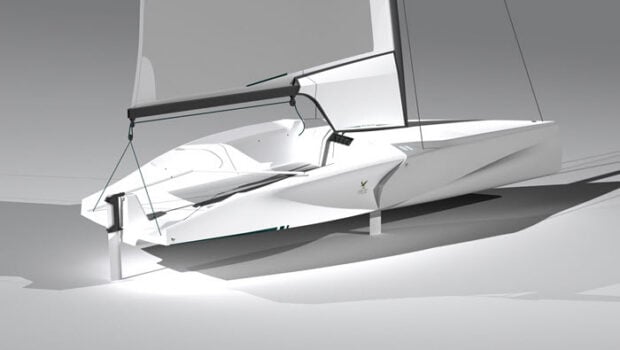 Cuando la navegación se simplifica: Airborn Foiler, control eléctrico y el debate sobre la habilidad">

At many coastal marinas local authorities now enforce 10–15 knot wind limits for dinghy launch zones and require designated charging points for electric craft, a shift driven in part by compact foiling boats such as the 13-foot Aerotransportado Foiler. Berth allocation and launch-ramp turnaround times are being reevaluated because foilers can reach 25+ knots and demand different launch, recovery, and storage logistics than conventional dinghies.
What the Airborn Foiler brings to the water
En Aerotransportado Foiler is a singlehanded foiling dinghy with an integrated eléctrico foil control system. Its manufacturer pitches a simple user journey: remove the cover, raise the sail, press “ON” and go. A lithium battery with a claimed 4 horas charge powers sensors that adjust foil position and provide real-time stability during takeoff, flight, and maneuvers.
Instantánea técnica
| Specification | Airborn Foiler (claimed) | Typical singlehanded dinghy |
|---|---|---|
| Longitud | 13 ft | 10–16 ft |
| Top speed | 25+ knots | 10–18 knots |
| Propulsion | Sail with electric foil actuators | Sail only |
| Battery / charge | Lithium battery, 4-hour cycle | Not applicable |
| Assisted stability | Real-time sensor control | Pilot skill and crew weight |
How this affects marina operations
Marinas and charter bases face immediate considerations: installing secure charging hubs, updating insurance and waiver forms to reflect assisted stability systems, and training staff to handle battery maintenance and emergency recovery. Slip design may change to allow quieter, quicker launches that respect neighboring craft and shoreline noise ordinances.
Implications for sailors and tourism
For recreational sailors and tour operators, the trade-off is between lowered entry barriers and potential skill dilution. On one hand, assisted foiling can open high-speed sailing to a broader audience—an attractive prospect for coastal tourism operators seeking new adventure offerings. On the other hand, traditional seamanship skills such as manual foil trimming, balance, and reactive decision-making receive less emphasis when sensors manage critical dynamics.
Pros and cons for tour operators
- Pros: Broader customer base, faster onboarding, quieter craft for urban harbors, unique selling point for adventure tourism.
- Cons: Need for charging infrastructure, higher capital cost, revised safety protocols, and potential regulatory scrutiny.
Recomendaciones prácticas
- Install dedicated charging bays and clearly mark launch windows to integrate foilers with existing traffic.
- Update insurance and operational manuals to cover battery failures and sensor malfunctions.
- Offer mixed programs that teach core sailing skills alongside supervised assisted-foiling sessions so customers gain durable competence.
What travelers should consider before booking a foiling experience
When choosing a foiling excursion, inspect whether the operator conducts pre-ride briefings, provides lifejackets and helmet support, and limits rides to appropriate weather windows. Ask about emergency recovery plans, battery safety standards, and whether the experience includes a short tutoring segment on manual foil control to deepen appreciation of the sport.
Quick checklist for booking
- Is battery charging included and visible on-site?
- Does the operator provide a safety demonstration and hands-on practice?
- Are there age and weight limits for solo foiling?
- Is insurance and liability clearly explained?
At a glance, the attraction is clear: silent, fast, and accessible foiling trips are eye-catching additions to coastal itineraries. To have a mind to balance thrills with tradition, operators can combine assisted foiling sessions with classic sailing clinics and scenic regattas to appeal to both novices and purists.
The increased accessibility of foiling raises the question of whether ease diminishes value—the best answer often lies in direct experience. Reviews and honest feedback are helpful, but nothing substitutes actually stepping aboard and feeling the craft respond under real conditions. GetExperience provides verified providers and secure payment with voucher confirmation, plus the option to submit tailored requests for tours and excursions so you receive offers that match your preferences. For those seeking to try foiling through organized excursions, GetExperience offers a wide variety of tours worldwide to suit any preference and budget. Book now GetExperience.com.
In summary, electric foiling such as that offered by the Aerotransportado Foiler reshapes marina logistics, safety standards, and tourism product offerings. It presents opportunities for new viajar experiencias y aventura activities while challenging traditional skill development. Operators should weigh infrastructure costs, insurance, and training against market demand. Travelers can enjoy innovative options—ranging from lujo experiencias de viajes de aventura y exclusivo alquiler de yates para eventos a aventura viajes de rafting para principiantes, museo tours with live guides, or even interactive online cultural workshops—but the ultimate judgment comes from personal participation. Online platforms that aggregate verified excursions make comparisons easier and bookings more transparent, helping match preferences with the right provider for a memorable outing.