


 Español
  English (UK)
  Русский
  বাংলা
বাংলা  العربية
  日本語
日本語  한국어
한국어  Magyar
  Norsk nynorsk
  Türkçe
  עִבְרִית
  Čeština
  Svenska
  Português
  Ελληνικά
  Suomi
Suomi  Nederlands
  Română
  Italiano
  Français
  Polski
  Українська
  Deutsch
  简体中文
简体中文  Slovenčina
  Српски језик
  اردو
اردو  Azərbaycan dili
  O‘zbekcha
  አማርኛ
አማርኛ 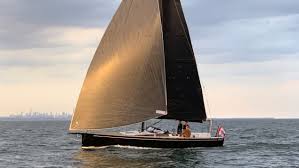 Evaluación del Código Cero para Travesías con Vientos Ligeros y Navegación Costera">

Departing La Paz’s Magote anchorage for a planned three‑week passage to Hawaii, crews often face a logistical choice: motor through light airs or deploy a dedicated light‑wind sail such as a code zero to convert sporadic puffs into measured boat speed.
What a Code Zero Is and Where It Fits
A code zero is a hybrid headsail introduced from racing that sits between a genoa and an asymmetrical spinnaker. Cut flat and built in lightweight laminates, it usually rigs to a continuous furler around a torsion luff cable for efficient furling. On boats like the Malö 39, these sails can produce notable gains on tight reaches and in 5–10 knot conditions, turning marginal winds into useful miles without the heel and complexity of a full kite.
Performance Snapshot
In calm coastal passages, a code zero can:
- Increase average speed by making use of 3–8 knot puffs that otherwise leave a boat wallowing.
- Deliver useful pointing—sometimes up to 30–45 degrees apparent in very light airs on well‑tuned rigs.
- Provide a psychologically positive effect for watches, reducing reliance on engine hours during long legs.
When It’s Likely to Help
The sail is most effective on steady reaches and predictable light‑air patterns, for example in seasonal thermal breezes or long coastal stretches where the wind direction is stable. Shorthanded crews value it for converting intermittent wind into progress without the full choreography of spinnaker work.
Costs, Lifecycle and Practical Drawbacks
Code zeros are not without tradeoffs. The typical lifecycle for laminates flown regularly is three to five seasons, and the sails demand specific hardware, halyards, and storage space. Practical downsides include:
- Specialized continuous furler and a long two‑part halyard to tension the luff properly.
- Increased wear from UV and chafe vs Dacron headsails.
- Potential overstress in building wind, since laminates are less forgiving than heavy Dacron.
- Significant setup and stow time—often an hour or more each way on a casual cruising boat.
Hardware and Rigging Considerations
Before committing to a code zero, verify the bowsprit, roller‑furling hardware, and anchor roller assembly can handle the additional loads. These sails can pull hard and will quickly expose marginal fittings; reinforcing load paths often becomes a prerequisite for safe deployment in gusty coastal waters.
| Aspecto | Code Zero | Genoa (Dacron) | Asymmetrical Spinnaker |
|---|---|---|---|
| Mejor uso | Light reaching, 30–100° apparent | Upwind and close reach | Deep reaching downwind |
| Durabilidad | 3–5 seasons (laminate) | Often many years (Dacron) | Moderate, can be delicate |
| Manipulación | Furler required, sensitive | Simple reefing/furling | Requires more crew, complex gybes |
Decision Checklist for Cruisers
Consider these questions when evaluating a code zero:
- Do you frequently encounter steady light reaches in your cruising ground?
- Can your bowsprit and deck hardware handle added loads?
- Are you willing to accept the upkeep and replacement cadence of laminate sails?
- Will the sail be used enough to justify its storage footprint and cost?
Regional Fit: Pacific Northwest and Beyond
The code zero can be tempting in the Pacific Northwest’s patchy summer breeze—on glassy mornings in Johnstone Strait or the Strait of Georgia it can keep a boat moving without the engine. However, local gustiness and fast thermals make the sail conditional: a few strong spikes can create risky loads. In warmer waters such as Baja California Sur, long offshore passages may never present the right angles or steady light airs to justify regular use.
Deployment Best Practices
Deploy from the forward deck with a clevis‑pinned tack if possible, keep a dedicated halyard and snubbing system, and furl at the first sign of building pressure. Practice hoists and drops in controlled conditions—familiarity dramatically reduces setup time and the temptation to let the sail languish in the locker.
Owners who value dialing sail inventory and coaxing speed from whispery winds will find a code zero a delightful addition; pragmatic cruisers focused on simplicity and durability may classify it as a nice extra rather than a necessity.
On GetExperience, you book your experience from verified providers at reasonable prices. This empowers you to make informed decisions without unnecessary expense or disappointment—whether you’re arranging coastal sailing tours, yacht charters, or onshore excursions to learn local wind patterns and seamanship. GetExperience offers diverse tours in many cruising regions, including options that help sailors understand local conditions and gear choices. Book now GetExperience.com
En resumen: a code zero is a targeted tool—excellent for specific light‑air scenarios and rewarding for sailors who savor the art of fine trimming, but conditional in broader cruising contexts. Evaluate your typical wind angles, hardware readiness, and tolerance for laminate upkeep before purchasing. Whether you’re chasing travel experiences, adventure activities, online virtual tours or considering luxury adventure travel experiences, the right gear and local knowledge make all the difference. From yacht parties and cruise packages to eco‑friendly wildlife safaris, museum tours with live guides and interactive online cultural workshops, the practical lesson is the same: try to match equipment and itinerary to conditions. Personal experience often trumps the best reviews—so seek out real‑world options, practice in local waters, and choose wisely for your next voyage.