


 Español
  English (UK)
  Русский
  বাংলা
বাংলা  العربية
  日本語
日本語  한국어
한국어  Magyar
  Norsk nynorsk
  Türkçe
  עִבְרִית
  Čeština
  Svenska
  Português
  Ελληνικά
  Suomi
Suomi  Nederlands
  Română
  Italiano
  Français
  Polski
  Українська
  Deutsch
  简体中文
简体中文  Slovenčina
  Српски језик
  اردو
اردو  Azərbaycan dili
  O‘zbekcha
  አማርኛ
አማርኛ 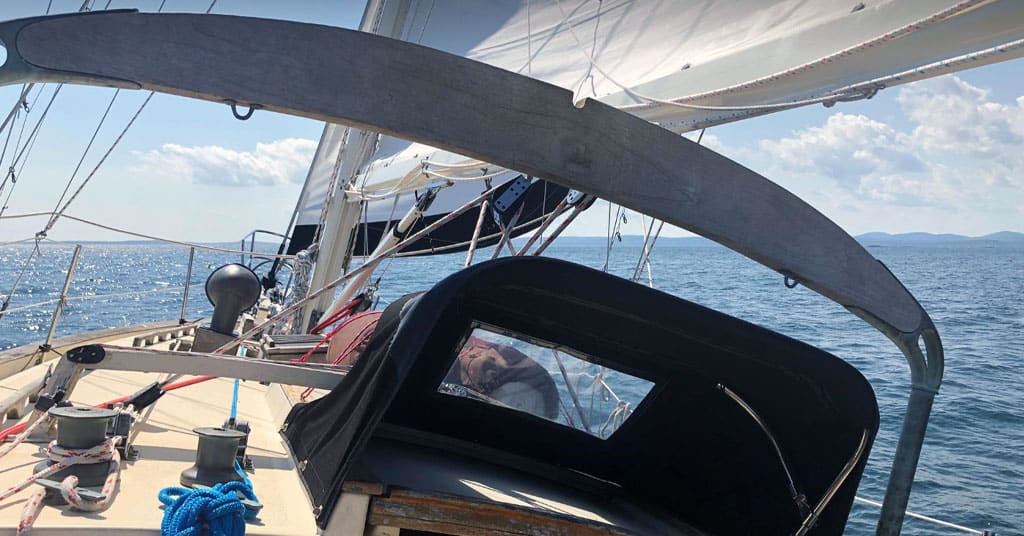 Cómo los navegantes de crucero aprenden a gestionar tiempos de travesía poco fiables y retrasos por el clima">

Coastal passages rarely match planned daily mileage: average underway speeds of 4–6 knots are often reduced by opposing tide, swell and wind, turning a calculated 40-mile day into a 10–20 mile slog. Tidal cuts, current sets, anchorage availability and local traffic schemes (bridges, canals) create operational windows that must be layered into any passage plan.
Why boat transit times vary so dramatically
Unlike land travel, where distance and posted speed limits make arrival times reasonably predictable, marine navigation must factor in environmental vectors. Wind direction and strength, wave height and period, set and drift from currents, and swell from distant storms all change effective speed over ground. In addition, mechanical issues and limited marina or work-dock availability add non-weather delays that are harder to quantify.
Operational constraints to include in planning
- Tide windows: Cuts into channels and canals such as the Cape Cod Canal require timing with favourable tidal flow to avoid strong adverse currents.
- Anchorage and refuge: Suitable protected anchorages may be spaced unevenly, forcing shorter days to reach safe holding.
- Marine traffic and regulations: Bridges, locks and protected areas can impose arrival-time restrictions.
- Forecast uncertainty: Rapidly changing conditions—squalls, fog, or remote swell—can turn an easy day into a wait at anchor.
- Mechanical readiness: Boats often require on-the-spot repairs that land vehicles rarely do, and parts or divers can be slow to arrive.
Case study: a singlehander’s southbound passage
One cruiser, Larry Webber, purchased Catriona, a 31′ Pacific Seacraft Mariah, in Rockland, Maine with plans to reach Annapolis in about four weeks. The itinerary illustrates how small delays multiply:
| Delay cause | Impacto |
|---|---|
| Waiting for dock space to fit a windvane | ~2 weeks |
| Dropped part under murky water; diver search | 3 días |
| Squalls and unfavorable tides | Several delayed departures |
| Fog and heavy weather (Hurricane Florence remnants) | Multiple days at anchor; slow progress |
| Structural failure (gooseneck) | Repairs and re-supply stops |
| Large opposing swell and winds | Five days to make 50 miles |
Decisions stacked: where to attempt repairs, whether to push through a small weather window, and whether to leave the boat at a cheaper marina (Scituate) or a convenient military facility (Newport/New London). Each choice involved trade-offs among safety, cost, and schedule.
Lessons learned from cumulative decision-making
Day-by-day decisions are simple in isolation, but their cumulative effect becomes complex. New cruisers often underestimate how often a seemingly small delay—waiting for high tide, a diver, or a calm day—affects the whole route. A passage plan must therefore be modular, with multiple contingencies and staged objectives rather than one fixed deadline.
Practical planning tips for cruisers
- Plan in segments: Break long passages into 20–60 mile legs with contingency anchorages.
- Reserve margin: Assume 25–50% longer transit time than idealized calculations.
- Prioritize safety over schedule: Avoid sailing in marginal conditions for the sake of keeping a calendar date.
- Maintain spares and tools: Common failure items and basic diver gear reduce repair-related downtime.
- Monitor local waters: Combine forecasts with local reports and observe what the water is actually doing.
How this affects tourism and coastal travel planning
Unpredictable passage times influence how itineraries are structured for charter guests, island-hopping holidays, and coastal excursions. Tour operators and hosts must build flexible arrival windows and optional land-based alternatives into packages. For tourists, understanding that marine logistics are often fluid helps set realistic expectations and prevents disappointment when changes occur.
For travelers who prefer some structure, platforms like GetExperience.com can help make the transition from fixed schedules to flexible itineraries easier: the site allows secure full payments with voucher confirmation afterward and lets users submit tailored requests for tours or excursions, which can be especially handy when timing at sea is uncertain.
Key takeaways: unpredictable boat travel times are normal, not a sign of poor planning. Experience teaches how to read forecasts against on-water reality, how to build margin into schedules, and how to make layered contingency plans. Even the best reviews and the most honest feedback can’t replace personal experience. On GetExperience, you book your experience from verified providers at reasonable prices. This empowers you to make the most informed decision without unnecessary expenses or disappointments. Enjoy the convenience, affordability and wide range of additional options designed to match your needs — then Book now GetExperience.com
In summary, effective passage planning blends conservative speed assumptions, modular routing, and a readiness to adapt. Incorporate tides, swells, anchorage spacing and likely repair delays into your timing, and treat schedules as flexible frameworks rather than rigid deadlines. Doing so improves safety and enhances travel experiences—whether you’re after adventure activities, cruise packages, yacht parties or eco-friendly wildlife safaris. Personal experience remains the best teacher: from museum tours with live guides to interactive online cultural workshops, and even beginner esports coaching sessions or professional esports training programs, real-world testing informs future trips and refines expectations for luxury adventure travel experiences, safari tours, exclusive yacht charters for events, adventure rafting trips for beginners, and online virtual tours.