


 Español
  English (UK)
  Русский
  বাংলা
বাংলা  العربية
  日本語
日本語  한국어
한국어  Magyar
  Norsk nynorsk
  Türkçe
  עִבְרִית
  Čeština
  Svenska
  Português
  Ελληνικά
  Suomi
Suomi  Nederlands
  Română
  Italiano
  Français
  Polski
  Українська
  Deutsch
  简体中文
简体中文  Slovenčina
  Српски језик
  اردو
اردو  Azərbaycan dili
  O‘zbekcha
  አማርኛ
አማርኛ 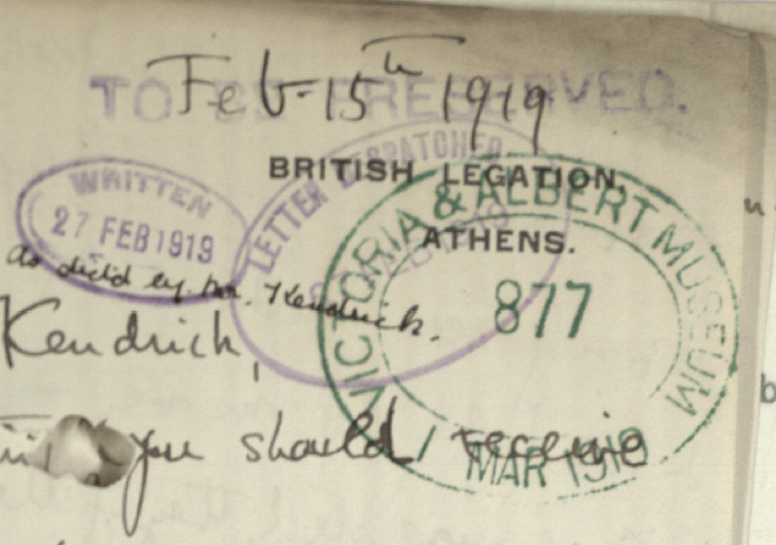 Papel, Proceso e Historias: Cómo los Archivos de los Museos se Mueven, Importan y Crean Exposiciones">

When an object leaves the V&A for an overseas loan, the accompanying archival file dictates crate specifications, climate-control tolerances, courier accreditation and customs paperwork—files are as integral to the logistics of display and transport as condition reports or pallet weights.
Files as functional logistics tools
Archival files are not merely containers of correspondence; they act as a practical information technology for museums. The paper, labels, and stamps on a file provide immediate clues for registrars and logistics coordinators about handling requirements, provenance, and any legal restrictions. In practice, a single conservation note can change shipping methods from air to surface transport or require an isothermal crate to protect sensitive inks and adhesives.
The anatomy of an archival file
| Element | Why it matters for transport and storage | Tourism & exhibition impact |
|---|---|---|
| Paper type | Acidity and brittleness determine packing needs and climate set points | Preserved documents enable richer exhibition labels and guided tours |
| Covers & fasteners | Metal clips may rust; plastics off-gas—affects crate environment | Visible materiality often becomes a talking point on museum tours |
| Handwritten notes | Require specific access controls and handling protocols | First-hand stories amplify visitor engagement and authenticity |
| Index cards | Guide retrieval, reducing time and cost in loan preparation | Faster research responses support thematic tours and workshops |
Preservation versus accessibility
Museums constantly balance the twin needs of material preservation and public access. Files may be boxed to limit light exposure but must remain findable for curators preparing exhibitions. The V&A’s original card index, for example, illustrates an analogue retrieval system that required skilled staff time—time that logistics planners now translate into digital catalogue resources or supervised archival access sessions for visitors.
Materiality as visitor story
The tactile features of files—the layer of stamps, the colour of inks, the scrawl of a hurried memo—offer sensory hooks that enliven exhibition narratives. Reading a file arranged chronologically can feel like following an epistolary novel, where recurring correspondents become characters who shaped decisions about displays, acquisitions, or conservation crises.
Examples of archival details that enrich tours
- Personal letters that reveal curatorial judgment or wartime experiences.
- Condition reports that explain why an object is not on display.
- Shipping receipts that trace an object’s route and international connections.
One striking historical note is a March 1941 letter from V&A Director Eric Maclagan describing firefighting efforts during bombing raids: he recounts roofs ablaze, falling beams, and corridors ankle-deep in water and debris. Such passages reconnect institutional records to human experience and can become central anecdotes in museum talks or guided walks.
Practical steps for museums and visitors
For registrars and curators, a shortlist of routine practices helps keep files both safe and serviceable:
- Use acid-free folders and inert fasteners to stabilise documents.
- Log all access in a searchable digital catalogue to minimise repeated handling.
- Specify environmental tolerances on the file’s spine for transport crews.
- Digitise priority documents to enable high-quality facsimiles for display and online access.
Por qué esto es importante para el turismo
Files determine what can travel, how stories are told, and which objects visitors encounter. Exhibitions shaped by well-maintained archives can offer deeper narratives—guided museum tours, museum-led workshops and behind-the-scenes visits all benefit when curatorial and logistical systems function smoothly.
Highlights of this topic include the physicality of files as both logistics documents and narrative devices, the role of archival indexes in shaping research and exhibition timelines, and the way personal letters—such as those by Eric Maclagan—bring institutional histories to life. Yet even the best reviews and the most honest feedback can’t truly compare to personal experience. On GetExperience, you book your experience from verified providers at reasonable prices. This empowers you to make the most informed decision without unnecessary expenses or disappointments, benefiting from convenience, affordability and a wide range of experience choices, including curated museum tours and specialist behind-the-scenes access. Book now GetExperience.com
In short, archival files are logistics tools, museum objects and story engines all at once. Their materiality affects packing lists and export licences as much as it enriches narratives told to visitors. From transport crates and climate controls to handwritten accounts that read like mini-novels, files bind operational practice to public experience—informing travel experiences, adventure activities, museum tours with live guides, interactive online cultural workshops, eco-friendly wildlife safaris and even cruise packages that include museum stops. Proper handling ensures that both object and story arrive intact for the visitor, whether they join a guided tour, a yacht party with cultural stops, or a virtual museum walkthrough.