


 Español
  English (UK)
  Русский
  বাংলা
বাংলা  العربية
  日本語
日本語  한국어
한국어  Magyar
  Norsk nynorsk
  Türkçe
  עִבְרִית
  Čeština
  Svenska
  Português
  Ελληνικά
  Suomi
Suomi  Nederlands
  Română
  Italiano
  Français
  Polski
  Українська
  Deutsch
  简体中文
简体中文  Slovenčina
  Српски језик
  اردو
اردو  Azərbaycan dili
  O‘zbekcha
  አማርኛ
አማርኛ 
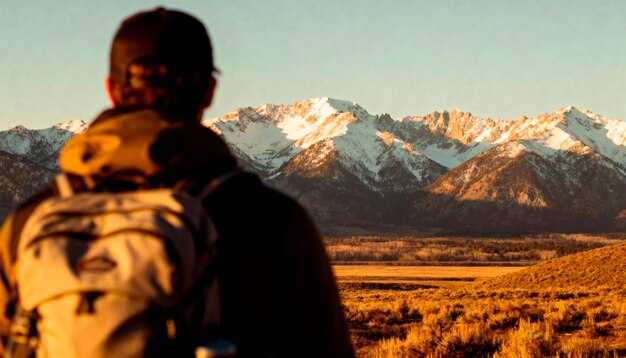
Recomendación: Build a full plan: base in the town of Puerto Natales for 4–5 nights, hire a guiado operator for the Torres del Paine circuit, and fly into Punta Arenas to minimize backtracking and save times. This setup is incredibly practical for a couple and for solo travelers alike, and many refugios offer breakfast to simplify mornings. Traveling together with a friend can also add safety and fun.
Season windows matter: December to February provide long days and nicer light, but shoulder months (November, March) tend to be quieter. Base Torres reaches about 900 m elevation, so come prepared for alpine breezes. Expect rain and sun in the same day, with rainbows appearing after brief showers; pack layers and a waterproof shell.
Gear and planning: in the gear section, renting a lightweight rain shell and a compact stove is optional but useful if you plan to cook meals at refugios. Bring sturdy boots, thermal layers, and a breakfast-friendly stash for early starts. Most refugios provide meals, but having a quick breakfast on hand speeds up the start of the day and helps you maximize daylight.
Where to stay and how to move: Fly into Punta Arenas, then take a 3.5–4 hour bus to Puerto Natales; trains are rare here. If you prefer speed, rent a car for a short leg to the park, but be ready for wind and changing weather. In peak season, book refugios ahead for your planned days in the park and keep ascent routes clear in your plan.
Damage prevention and daily routine: carry a spare power bank and a dry bag for electronics, and choose a rain cover that protects your pack. If you arrive with a light backpack, you’ll move faster between camps and save energy for the big days. Breakfast in refugios or a simple on-trail meal keeps you fueled for long hikes and reduces time spent searching for food in town.
Where to stay in Chilean Patagonia: practical lodging options for Brazilian travelers
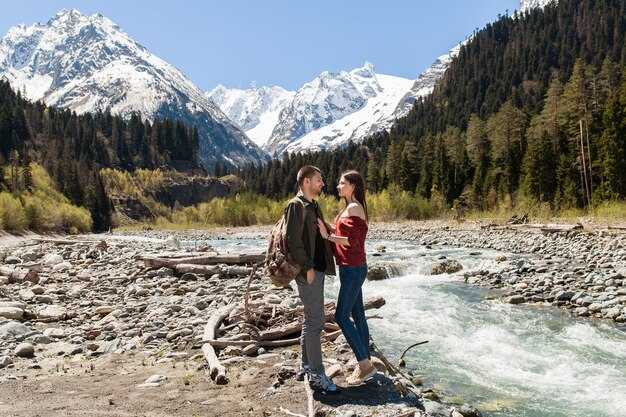
Base yourself in Puerto Natales and stay at one of the friendly hostels near the bus terminal; these places offer private rooms, dorm beds, and nice common areas. They provide easy access to day trips and early buses to Torres del Paine, a practical start for your adventure and a solid rest after long hikes. The right balance of price and comfort makes it a smart choice for travellers. Staff theyve got maps, tips, and local guides to help plan hikes for hikers and photo stops. Thats another benefit for Brazilian travellers. You rest well at night.
In the Torres del Paine area, you’ll find refugios, simple inns, and camps that cover basic rooms to shared dorms. If you plan to hike the W or the longer circuits, booking ahead is essential–some nights inside the park are pricier, but you gain iconic views and epic scenery. If you prefer a lighter plan, base in Puerto Natales and do day hikes; that option gives you flexibility to adjust for weather and reach fast. For the full experience, this zone is considered paradise by many travellers. Maps help plan routes and guides can keep you within time windows for longer hikes, helping you avoid getting lost.
For penguins watching and the southern coastline, punta Arenas offers solid lodging bases. Pick a hotel near the bus terminal or along Avenida Frei to access tour operators on foot. If you want penguins watching, plan a day trip from punta Arenas to Isla Magdalena or Martinez Island; staying in the city keeps costs reasonable and helps with renting equipment from local shops. If you continue north, flights to balmaceda open access to Coyhaique and the Carretera Austral.
Coyhaique and nearby towns offer guesthouses with warm rooms and kitchens, ideal for Brazilian travellers who want to cook their own meals. Renting an apartment for a few nights gives you a layer of comfort between trips; choose areas within walking distance to bus stations or guides’ offices. In Coyhaique you’ll find cozy bed-and-breakfasts and small hotels that provide reliable Wi‑Fi for planning maps and organizing day trips.
Tips for booking: reserve two months ahead in high season (December–February); consider midweek stays to save; read cancellation policies; confirm private rooms versus dorms; bring a warm layer because nights can be chilly; many hostels provide covers and towels; check if they offer laundry services; if you need gear like trekking poles, ask front desk or hostels about renting.
When you arrive, use local guides for day trips to Patagonia’s highlights. Guides can prepare you for hikes, cover safety basics, and share tips for photo spots along the routes. Maps you carry should mark transfers, refugios, and rest areas; the right lodging can help you organize late-night rest after trips and keep plans flexible for bad weather.
Best value hostels in Puerto Natales for Brazilian travelers
Start with a central, budget-friendly hostel with a shared kitchen and reliable Wi‑Fi; you’ll pay about 18–25 USD per night for a dorm bed, and 40–70 USD for a private room, a perfect balance after long hiking days.
- Option A – Central Bay Hostel
- Location: 0.6 km from the bus terminal, a 10‑minute walk to shops and eateries
- Prices: dorm beds 18–22 USD; private rooms 45–65 USD
- Amenities: shared kitchen, breakfast option, hot showers, lockers, laundry facilities, fast wifi
- Check-in/out: 14:00–22:00; some days 24‑hour reception
- Staff: bilingual team; they arrange day trips to Torres del Paine, with scenic pull-offs and wildlife spots
- Option B – Patagonia Simple Stay
- Location: riverfront area, easy access to trails and market
- Prices: dorm beds 14–20 USD; private rooms 40–60 USD
- Amenities: kitchen, lounge, book exchange, laundry, gear rental desk
- Check-in/out: 13:00–21:00; flexible on request
- Notes: great value for hikers; longer stays earn discounts
- Option C – Yuri’s Backpacker Hub
- Location: close to the waterfront and bus stop; easy access to trailheads
- Prices: dorm beds 12–20 USD; private rooms 35–55 USD
- Amenities: gear rental (tents, trekking poles), maps, drying area, lockers, stable wifi
- Check-in/out: 15:00–23:00; reception around the clock on busy days
- Special: yuri oversees guided hikes and campouts; ideal for meeting fellow Brazilians
When visiting, choose a stay that offers rental options for hiking gear and a kitchen to cook your own meals. This saves hours and lets you plan longer hikes or shorter day trips to such scenery-rich spots along the coast. For wildlife lovers, these spots are a solid home base.
Nearby activities and tips: the area offers pull-offs along the road to Torres del Paine with stunning scenery; you can combine a day of hiking with a horse ride near estancias, which adds a different feel to the valley. If you’re visiting Chilean Patagonia, a side visit to Chaltén in argentina is possible with careful planning; many Brazilians pair these two destinations for a longer route, but check border hours and visa requirements. Taking a multi-day trip lets you experience both sides of this area, and it helps you see longer routes and different wildlife sightings.
Blog note: add these picks to your home blog as a practical guide for readers visiting Puerto Natales; include Yuri’s tips and user reviews to help others planning a budget-friendly stay while visiting hiking routes and campgrounds.
Mid-range hotels with glacier views near Torres del Paine
Lago Grey Lodge is the go-to mid-range option for glacier views near Torres del Paine. Located on the shore of Lago Grey and facing Grey Glacier, it delivers an incredible spectacle from terraces above the water and many rooms. Rooms are comfortable with heating, and the house lounge with a fireplace invites you to unwind after hiking. On-site restaurants serve trout, beef, and Chilean staples, helping you fuel the next day’s outings. If youre traveling with your husband, private balconies invite you to share the view. To ensure a smooth stay, book glacier-facing rooms early and coordinate dinner with the owners when you didnt get a confirmation, so youre covered in case of miscommunications.
Another solid mid-range choice is Hostería Río Serrano, located near the gate to day trips and a short drive from the core sights. It provides a cozy home atmosphere, a reliable restaurant, and easy access to boat trips and guided walks around the area. Some rooms look toward distant ice features on clear days, offering a small glacier sense without leaving your seat. The owners welcome families and couples alike, creating a relaxed vibe after a day outdoors. If you didnt manage Lago Grey in your plan, there is an amount of options in the area that provide solid value, with some rooms offering distant ice features and others closer to dining, so crowds avoided during shoulder season.
Tips to maximize value: travel in shoulder months to avoid peak crowds; extreme wind can arrive in bursts, with sour gusts in late afternoon. Reserve options early, as space in the mid-range segment tends to fill quickly. For meals, rely on on-site restaurants and nearby eateries that offer trout dishes and hearty Chilean staples to fuel your hiking. Guides can tailor itineraries into your plan.
Eco-friendly lodges with four-season access in the Magallanes region
Start with Tierra Patagonia Hotel & Spa for your four-season access in Magallanes. This eco-lodge sits above Lake Sarmiento, built with local materials and powered by solar energy, with water treatment that keeps footprints light. Morning light over the forests and mountains delivers incredible views, and guided itineraries pair hiking with riding through quiet valleys and wild trails. You’ll often find a waterfall viewpoint along the day’s route, followed by a well-deserved soak in the spa. Plan your day using maps and the lodge team’s suggestions, so you stay comfortable and your feet stay rested after miles of walking.
Explora Patagonia adds a higher level of immersion while maintaining strong conservation practices. Their itineraries bring you into the mountains and along the water, with experts guiding hikes and boat cruises on lakes near the Paine massif. The lodge emphasizes sustainable design and local crafts, offering an environment where you feel connected to the landscape without compromising comfort. If you want a more intimate option, AWASI Patagonia provides private villas and tailor-made activities, letting you organize mornings and afternoons yourself with a small, focused team of guides.
For a coastal-ahead experience, The Singular Patagonia anchors sustainable stays in Puerto Natales, repurposing a historic building with energy-efficient systems and locally sourced cuisine. The property remains well-connected year-round, and staff can arrange short ferry crossings to nearby coves for day trips. Patagonia Camp invites you to sleep in elevated yurts set in a private reserve, with a design that blends with the landscape. Their field programs emphasize wildlife watching, glamping in comfortable tents-like structures, and flexible itineraries that suit both calm days and adventurous ones.
To knit these options into a smooth plan, you can compare features side by side using on-site resources and trusted maps. Between trips, check weather windows and road conditions to maintain reliability, and consider renting gear or tents if you want to mix lodge nights with field stays. If you plan to rent items, renting gear through the lodges or local stores saves time and ensures you carry only what you need. For extended adventures, you can book additional cruises or ferries to reach silent coves and wild coastlines, broadening your itinerary without heavy packing.
Key tips: book early for peak months, especially if you aim to combine a stay with cruises or ferry crossings across Última Esperanza Sound. Ask about morning activities that fit your pace, and request a personal schedule that balances hiking, riding, and rest. If you want a hands-on approach, talk to Yuri for rental details or to customize a plan that fits your route between Torres del Paine, Puerto Natales, and the surrounding forests and mountains. You can craft a trip that feels like it was made for you, with anything you need arranged to keep you comfortable and fully engaged with the landscape.
| Lodge | Ubicación | Seasonal access | Características ecológicas | Consejos |
|---|---|---|---|---|
| Tierra Patagonia Hotel & Spa | Área del lago Sarmiento, al sur de Torres del Paine | Todo el año con variaciones estacionales en la actividad; los traslados privados durante el invierno pueden ser necesarios | Energía solar, recolección de agua de lluvia, materiales locales, diseño de bajo impacto | Solicitar miradores del amanecer o cascadas; usar mapas para planificar caminatas; preguntar sobre opciones de paseos guiados. |
| Explora Patagonia | Parque Nacional Torres del Paine, región del Lago Pehoé | Todo el año; el clima puede afectar algunas actividades. | Programa de conservación integrado, artesanías locales, experiencias guiadas | Combine excursiones con cruceros en barco; reserve traslados privados si las carreteras están heladas. |
| La Patagonia Singular | Puerto Natales, Puerto Bories | Year-round | Sistemas de eficiencia energética, restauración de edificios históricos, abastecimiento local | Combina con paseos costeros y un corto viaje en ferry a calas cercanas |
| Campamento Patagonia | Reserva privada cerca de Torres del Paine | Year-round | Yurtas de glamping con diseño bioclimático y operaciones sostenibles | Ideal para observar la vida silvestre; planifique días flexibles con guías. |
| AWASI Patagonia | Cerca de las faldas de las Torres del Paine | Year-round | Villas privadas, gestión eco-consciente, itinerarios personalizados | Solicitar rutas personalizadas que minimicen el tiempo de conducción; combinar con rutas de senderismo. |
Refugios y opciones de camping cerca de Torres del Paine: qué reservar con antelación
Reservar refugios y opciones de camping cerca de Torres del Paine con seis meses de antelación garantiza tu lugar para la larga caminata, especialmente durante la temporada alta. Planifica estancias de 2 a 4 noches en refugios y campings para cubrir lo más destacado sin prisas.
En Chile, los refugios como el Refugio Chileno, el Refugio Los Cuernos y el Refugio Torre Central, además de los campamentos como Camping Pehoe y Camping Los Perros, ofrecen camas o espacio para tiendas de campaña. Tu reserva asegura las noches preferidas y te mantiene en el itinerario, con comodidad ante los cambios climáticos e impermeables para el equipo. Reservar también te ayuda a obtener ayuda del personal si los planes cambian. Están rodeados de torres de granito y hielo azul, lo que ofrece un telón de fondo épico para tu estancia.
Los días ventosos exigen una capa cálida, un saco de dormir compacto y una mochila resistente. Empaca protectores de lluvia, bolsas secas y una pequeña estufa para pisco o bebidas calientes en el campamento. Un equipo bien preparado te mantiene en el camino y con la moral alta a través del clima cambiante de la Patagonia.
El acceso a Torres del Paine comienza en Puerto Natales o Punta Arenas; desde allí, varios operadores organizan excursiones de un día o caminatas de varios días. Si las noches cambian, pregunta en la recepción sobre traslados u opciones flexibles. Los vientos en la Patagonia pueden ser fuertes, casi vivos, así que consulta el pronóstico y adapta tu plan para que la caminata sea épica y cómoda.
Estadías en Punta Arenas: proximidad al aeropuerto y terminales de cruceros para visitantes brasileños.
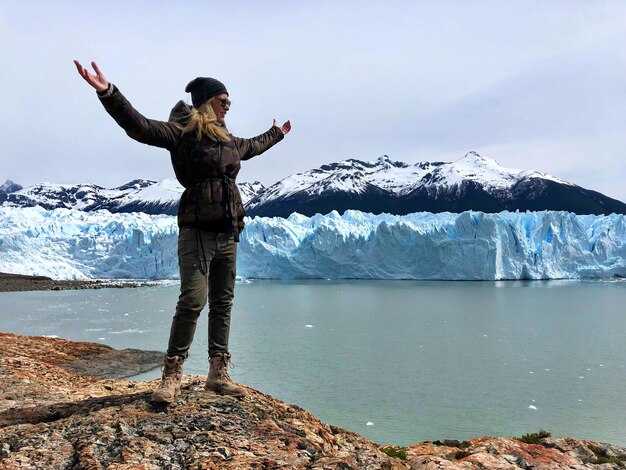
Para los brasileños que llegan, elijan un hotel cerca del aeropuerto PUQ o de la terminal de cruceros para comenzar su viaje con un traslado tranquilo y con energía para explorar. Un traslado típico desde el Aeropuerto Internacional Presidente Carlos Ibáñez del Campo al centro de Punta Arenas dura entre 20 y 25 minutos (aproximadamente 18-22 km); si reserva cerca del área del Muelle Prat, el traslado puede ser de tan solo 5 a 12 minutos, lo que significa más tiempo para grandes experiencias mientras se instala.
Las opciones abarcan hostales y hoteles económicos en el centro, con rangos de precios que varían según la temporada. Los precios comienzan alrededor de 40-70 USD por noche para un hostal u hotel económico en temporada baja y aumentan a alrededor de 60-120 USD en temporada alta; reservar con anticipación a menudo asegura un mejor precio. No faltan sabores del mundo en los restaurantes cercanos, y muchas propiedades ofrecen traslados o rutas fáciles a pie hasta el puerto, para que te quedes cerca de lo que importa y evites largos desplazamientos.
La zona alrededor del puerto exhibe un aire de pequeña península y acceso a los tours de isla Magdalena, además de rutas a paisajes salvajes de la región. Puedes pasear por la costa y luego unirte a una excursión para avistar pingüinos o visitar lagos en los valles cercanos. Si quieres más opciones, pregunta al personal de tu hostal u hotel por una empresa de confianza que organice excursiones de un día; a menudo personalizan los itinerarios para que se ajusten a tu horario y presupuesto, y adaptarían las experiencias a tus intereses.
Muchos brasileños combinan Punta Arenas con una ruta patagónica más larga, incluyendo Chaltén, y algunos viajes incluso tocan Torres del Paine. Si consideras enlazar con esas paradas, coordina un traslado sin contratiempos con una empresa local para no tener que retroceder. Las plataformas de reserva abiertas te ayudan a comparar opciones, ver reseñas y asegurarte de obtener un precio justo antes de llegar, evitando sorpresas de última hora y permitiéndote concentrarte en los viajes en sí.