


 Español
  English (UK)
  Русский
  বাংলা
বাংলা  العربية
  日本語
日本語  한국어
한국어  Magyar
  Norsk nynorsk
  Türkçe
  עִבְרִית
  Čeština
  Svenska
  Português
  Ελληνικά
  Suomi
Suomi  Nederlands
  Română
  Italiano
  Français
  Polski
  Українська
  Deutsch
  简体中文
简体中文  Slovenčina
  Српски језик
  اردو
اردو  Azərbaycan dili
  O‘zbekcha
  አማርኛ
አማርኛ 
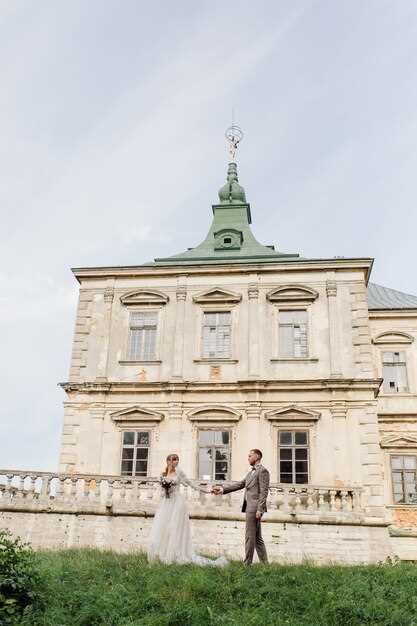
Nestled in the heart of Vienna, Lower Belvedere Palace is a stunning example of baroque architecture that invites visitors to explore its grand spaces and unique historical elements. Built in the early 18th century, this palace was originally designed as a summer residence for Prince Eugen of Savoy. Today, it stands as a UNESCO-listed site, showcasing a rich cultural heritage that spans multiple artistic movements, including impresionismo and the works of Gustav Klimt.
As you walk through its intricately designed rooms, you’ll be captivated by the ornate ceilings and the famous Goldkabinett, which houses an impressive collection of art. The palace’s combination of modernist exhibitions and historical artifacts creates a striking contrast that allows visitors to experience a multitude of artistic expressions. With tickets available for guided tours, you can discover the fascinating stories behind each space and the transformations that have taken place since the palace’s opening.
The palace also features the enchanting Kammergarten, a charming garden that provides a perfect spot to enjoy refreshments. While some areas are covered to protect against the elements, the stunning views from this garden are a must-see. Unless you explore Lower Belvedere, you might miss the opportunity to witness the artistic heritage that continues to influence contemporary art and culture. So gather your children and loved ones, and set out to uncover this remarkable address in Vienna that holds treasures for everyone.
Explore the Architectural Beauty of Lower Belvedere
The Lower Belvedere Palace, built in the early 18th century, is a stunning example of Baroque architecture in Vienna. Designed by the architect Johann Lukas von Hildebrandt, this historical gem showcases the evolution of Austrian palatial complexes. The palace features a magnificent staircase that elegantly connects its various levels, guiding visitors through its historical rooms filled with art masterpieces. It is a place where the golden touch of past eras is vividly present, allowing fans of architecture and history to appreciate its detailed design and construction.
The cabinet rooms within the Lower Belvedere include a selection of on-site exhibits that highlight significant periods in Austria’s art history. Among the displays are works by notable artists such as Oskar Kokoschka and Franz von Messerschmidt. These artworks contribute to the overall allure of the palace, reflecting the creative spirit of Vienna throughout the years. For those looking to combine their love for art with their appreciation for architecture, this location serves as an essential source of inspiration and education.
Strolling through the Lower Belvedere’s grounds, visitors can admire the intricate garden designs of the Kammergarten, a feature that complements the palace’s architectural beauty. This space was carefully designed to harmonize with the elements of the palace and provides a picturesque setting for selfies against a backdrop of white marble and lush greenery. The rules for photography are generally straightforward, allowing guests to capture their experiences and share them with friends, enhancing the overall visit.
Today, the Lower Belvedere attracts both history enthusiasts and art lovers alike, offering them a unique glimpse into the past. Daily reviews highlight the rich experience awaiting visitors, with many expressing delight at the world-class exhibitions presented in this historical context. The price for entry is reasonable considering the wealth of culture housed within its walls, and refunds are often available if guests are unable to fully enjoy their visit due to unforeseen circumstances. No trip to Vienna would be complete without exploring this remarkable architectural jewel.
What Makes the Baroque Style Stand Out?
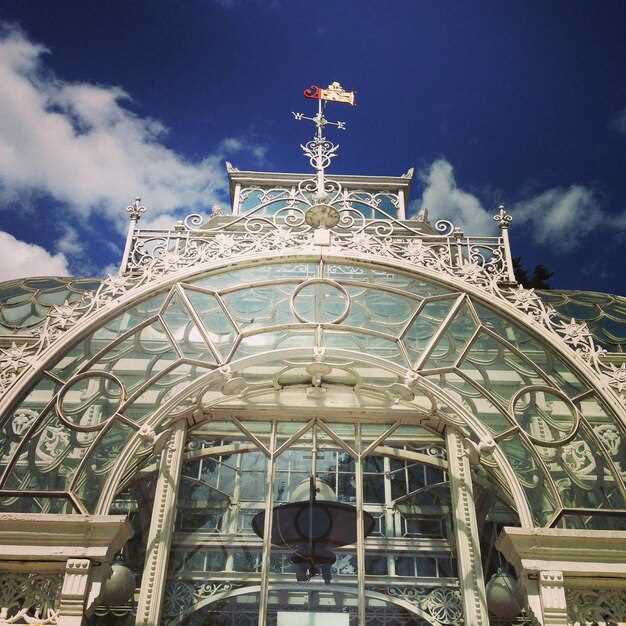
The Baroque style, emerging in the 17th century, is renowned for its grandeur and elaborate details that evoke emotional responses. Artists of this period, including those from Vienna, like Egon Schiele, used vibrant colors and dynamic forms to create stunning visuals that seem to leap from the canvas. This style embodies a contrast between light and shadow, which highlights both the subject and the surrounding environment. Visitors to the Lower Belvedere Palace can witness how the architectural splendor and art within the staterooms display this high level of artistry, making it a must-see for any art lover in Vienna.
At the heart of Baroque architecture are the intricate sculptures and lavish decorations that adorn buildings and gardens alike. The gardens of the Belvedere Palace, with their symmetrical designs and meticulously sculpted features, stand as a testament to the Baroque emphasis on order and beauty. Each step through these gardens reveals multiple layers of richness, enhancing the overall experience for visitors. This style often incorporates elements of modernism, creating a unique fusion that is evident throughout the palace’s wings and its stunning exhibitions.
One cannot overlook the essence of vanity within Baroque art, where the extravagant displays were often a reflection of power and wealth. The lavish dress of the period, highlighted in many galleries, accentuates how art was used to convey status. While strolling through the palace, visitors may find themselves captivated by exhibits that showcase not only historical significance but also a deeper understanding of the socio-political landscape of Europe during this era. Therefore, for fans of history and art, the Baroque style offers an extraordinary journey through time at the Lower Belvedere Palace in Vienna.
Key Features of the Palace’s Design
The Lower Belvedere Palace showcases an impressive architectural design that combines Baroque influences with modern twists. The building features meticulously crafted marble facades that capture the essence of imperial Austria, making it a prime example of the evolution of architectural styles. Each detail is not only aesthetically pleasing but also tells a story about the artistic movements of its time, reflecting the transition from medieval to more contemporary expressions of art.
One of the standout elements of the palace is the stunning Kammergarten, a beautifully landscaped garden that offers visitors a peaceful retreat. This garden is often described in reviews as a world-class attraction, perfect for wandering and admiring the intricate design alongside the palace itself. The integration of natural beauty with architectural brilliance makes the entrance to the palace even more inviting.
- Rotating exhibitions featuring works from both Klimt and Kokoschka.
- The availability of comfortable elevators for easy access to different levels of the complex.
- Mythological themes depicted through various pieces of art stored within the palace.
Inside, the palace contains a variety of exhibition spaces that highlight the works of renowned artists. Here, visitors can explore the flexibility of the exhibition arrangements, with each section designed to accommodate different works while enhancing the overall experience. The selection includes not only pieces by Klimt but also others that reflect the broader spectrum of European art movements, including expressionism.
During the season, the palace hosts a plethora of events that encourage group visits and offers something for everyone. Guests can purchase drinks and enjoy small bites while taking in the ambiance of this historical gem. With audio guides available in multiple languages, it becomes easy to understand the significance of each item on display.
In conclusion, the Lower Belvedere Palace is not merely a building; it is a complex that invites exploration and appreciation of art, architecture, and history. From the impressive entrance that beckons each visitor to the diverse exhibition items, every aspect combines to create a memorable experience for anyone fortunate enough to enter its halls.