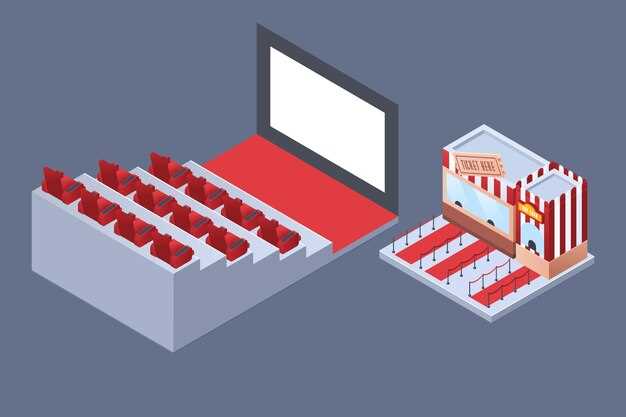

Short answer: the Bridge Theatre has no single seating plan. Its 900-seat auditorium is built to be rearranged, and productions run end-on, thrust, in-the-round, traverse or promenade, so the layout you booked last time may not exist for the show you are booking now. In the standard end-on setup the Stalls sit on the ground floor in four blocks, A to D, with a Gallery above. Rows E to G in the centre of the Stalls are generally the best in the house: far enough back to see the full stage, high enough to look over the heads in front. Always open the seating plan for your specific production before choosing.
Why this venue works differently
Most West End theatres were built in the Victorian era with a fixed proscenium arch, so their seating plans never change. The Bridge, which opened on 18 October 2017 beside Tower Bridge, was designed the other way round: the auditorium is adaptable, and the creative team decides the shape for each production. It was founded by Nicholas Hytner and Nick Starr, who previously ran the National Theatre.
Capacity moves with the layout: 900 seats in the usual arrangements, rising to about 1,100 when the stalls seating is removed for a promenade production.
That means a guide claiming that specific seat numbers are always best is guessing. What stays constant is the geometry of the room, the accessibility provision and the practical rules, and those are what this guide covers.
The configurations you might meet
| Configuration | What it means | What to watch for when booking |
|---|---|---|
End-on | Conventional layout, audience faces the stage | The most predictable. Central Stalls rows E to G and central Gallery rows are the safest picks. |
Thrust | Stage pushes into the audience, seating on three sides | Side blocks see actors in profile for part of the show. Central blocks stay strongest. |
In-the-round | Audience surrounds the stage | There is no bad side, but every seat loses some faces some of the time. A standing pit often occupies the centre of the Stalls floor. |
Traverse | Audience on two sides of a long central stage | Action travels along the strip, so seats near the middle of the run see the most. |
Promenade | Part of the audience stands and moves with the action | Standing tickets are cheaper but involve two to three hours on your feet. Seated tickets remain available on the raised levels. |

How the room is laid out
Stalls
The ground floor holds the Stalls, divided into four blocks lettered A to D. The floor is raked, so each row sits above the one in front.
Rows E to G, centre. The consensus best seats. Front rows put you close but force you to look up and turn your head to follow the full width of the stage; by row E you see the whole picture without losing detail.
Front rows. Worth it for an intimate two-hander, less so for a large-cast production where blocking spreads across the stage. In promenade shows the front of the Stalls may be the standing area rather than seats at all.
Side blocks. Cheaper, and fine in end-on configurations. In thrust setups they give you the actors in profile more often.
Gallery
Above the Stalls sits the Gallery. Central rows and the seats along the middle of the curve give a clean overhead view of the whole stage, which suits productions with heavy movement or crowd scenes. This is where the value usually sits: a good Gallery seat often beats a poor Stalls seat at a similar price.
Prices and when to book
Prices are set per production rather than by the venue, so there is no permanent price grid. As a reference point, tickets for The Oresteia start at £36.
Two things reliably save money. Midweek evenings and matinees cost less than Friday and Saturday nights across almost every run. And the Gallery is consistently cheaper than the Stalls while often delivering a better sightline than the side blocks below.
Access List pricing: disabled audience members who join the theatre's free Access List can book tickets at £25, plus one companion ticket at £25 per production. Joining costs nothing.
Accessibility
The Bridge was built recently enough to be genuinely accessible, which is not true of most London theatres.
- Step-free access from the street to all public areas, with level access into the foyer
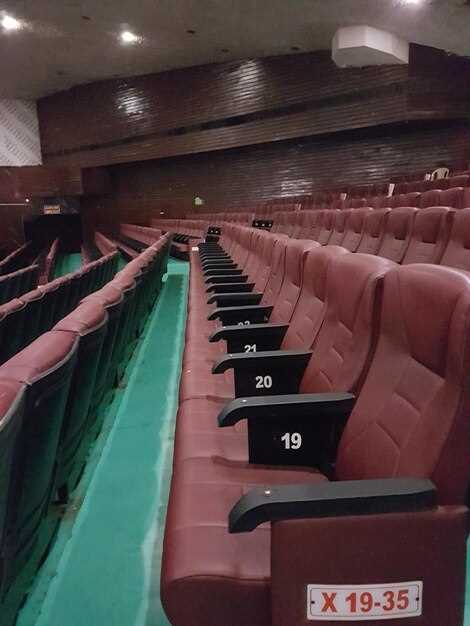
- Wheelchair spaces in the Stalls, reached by a platform lift with level access from the main foyer
- A wheelchair bay on Row C in Gallery 1, bookable once you tell the box office that you or your companion is a wheelchair user
- Access List: free to join, gives £25 tickets plus a £25 companion ticket per production
- Questions go to [email protected]
If you have limited mobility, arrive at least 45 minutes before curtain up. That is the theatre's own guidance, and it gives time for the lift and for finding your seat before the room fills.
Practical details worth knowing before you go
Address: 3 Potters Fields Park, London SE1 2SG. The main entrance faces the river, next to Tower Bridge and City Hall.
Getting there: a 10 minute walk from London Bridge station (Northern and Jubilee lines plus national rail, follow signs for City Hall or Tower Bridge) or from Tower Hill (Circle and District lines).
Latecomers may not be admitted at all, and there is no readmission once the show has started. This is stricter than many London theatres, so build in a margin. If you have an access need that may require leaving during the show, tell staff on arrival so readmission can be arranged.
Bags. There is a free cloakroom at street level, opening at 5:45pm for evening performances and 12:45pm on matinee days. Large bags, luggage, folding bicycles and e-scooters cannot be stored, so do not bring them. Bags are searched on arrival.
Ages. Under-16s must be accompanied by someone 18 or over. Children under 5 are not admitted to the auditorium, and babes in arms are not allowed.
Food and drink. The cafe opens at 1pm, or 12:30pm on matinee days, and the bar serves beer, wine and soft drinks. Pre-ordering interval drinks online saves queueing.
Frequently asked questions
Which are the best seats at the Bridge Theatre?
In the standard end-on layout, central Stalls rows E to G. They are far enough back for the full stage picture and raked high enough to see over the row in front. Central Gallery rows are the best value alternative.
Why does the seating plan look different from last time?
Because it is different. The auditorium is reconfigured for each production, so check the plan attached to your specific show rather than relying on a general chart.
Are the front row seats worth it?
For an intimate production, yes. For anything with a large cast or wide staging you will spend the evening turning your head. And in promenade productions the front of the Stalls may be standing room rather than seats.
Is the Gallery too far from the stage?
No. The venue is compact and the Gallery sits close above the Stalls. Central Gallery seats often give a better view of staging and movement than side seats in the Stalls at a similar price.
What happens if I am late?
You may not be admitted, and there is no readmission after the show starts. Plan to arrive with time to spare, particularly if you are using the cloakroom.
Can I bring my luggage if I am travelling?
No. The cloakroom cannot take large bags or suitcases. Leave them at your hotel or in station left luggage before you come.