


 Español
  English (UK)
  Русский
  বাংলা
বাংলা  العربية
  日本語
日本語  한국어
한국어  Magyar
  Norsk nynorsk
  Türkçe
  עִבְרִית
  Čeština
  Svenska
  Português
  Ελληνικά
  Suomi
Suomi  Nederlands
  Română
  Italiano
  Français
  Polski
  Українська
  Deutsch
  简体中文
简体中文  Slovenčina
  Српски језик
  اردو
اردو  Azərbaycan dili
  O‘zbekcha
  አማርኛ
አማርኛ 
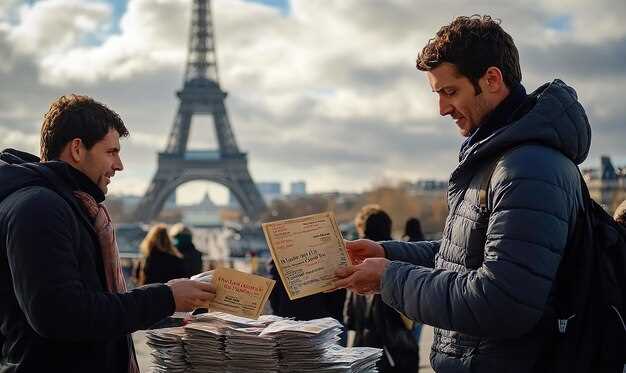
When planning your trip to Paris, understanding the local customs can greatly enhance your experiences and interactions with the people you meet. The city is not only renowned for its stunning architecture and rich history but also for its unique social etiquette that Parisians adhere to closely. Knowing a few essential behaviors will help you avoid minor embarrassments and foster pleasant exchanges with locals.
In the morning or evening, greeting others with a friendly “bonjour” or “bonsoir” is a nice gesture that makes a significant difference. This simple behavior sets a respectful tone, showing that you appreciate the culture and customs of your surroundings. During your visit, you will frequently encounter shopkeepers who appreciate a polite “excusez-moi” when asking for assistance. Engaging in this manner often leads to a more enjoyable shopping experience, as locals respond positively to tourists who make the effort to fit into their space.
Dining is another area where understanding social norms is key. While enjoying a meal, it is regarded as polite to wait for everyone at the table to be served before diving into the delicious crème or cheese dishes, reflecting the French appreciation for communal eating. Additionally, when greeting someone with the traditional bise, or cheek-kissing, knowing how many kisses to share (usually two or three, depending on the region) can prevent any awkward situations. A quick shake of hands is also acceptable, particularly in professional settings where formality is expected.
Fashion plays an integral role in the lives of Parisians. Wearing a stylish blazer or incorporating fashionable elements into your wardrobe can help you blend in, allowing you to fully embrace the local culture. Remember, the way you present yourself speaks volumes about your respect for the city and its people, and failing to acknowledge this can make you stand out as a typical tourist. In this charming city, everyone has a role to play in maintaining the unique atmosphere that makes Paris such a vibrant destination.
Understanding Greetings in Paris
When visiting Paris, understanding the local customs regarding greetings can greatly enhance your experience. Parisians tend to place a high value on polite behavior, and knowing the right way to greet someone is essential. Unlike many other places, there are specific habits tied to different times of the day that you should be aware of.
In the morning and up until late afternoon, it is common to greet someone with “Bonjour.” This word carries a friendly tone and sets the stage for a pleasant interaction. If you’re entering a shop or cafe, greet the shopkeeper with “Bonjour” prior to making your request. Failing to do so may come off as disrespectful.
- In the evening, use “Bonsoir” instead of “Bonjour.” This change signifies the transition from day to night and showcases your awareness of local customs.
- Always make eye contact and smile. A little gesture goes a long way in making your interaction more personal and enjoyable.
- When saying goodbye, you can use “Au revoir” or even “À bientôt” if you anticipate seeing the person again soon.
For casual interactions in areas such as the metro, a simple nod or a smile may suffice. It’s a nice way to acknowledge others without the need for lengthy conversation. In cafes, locals often sit at tables for hours, sipping their espresso or coffee crèeme while engaging in quiet conversations. If you ask a question or interact, be prepared for a slow and polite exchange.
Don’t forget that body language can also communicate your respect. Avoid being overly familiar–Parisians appreciate personal space, especially with strangers. Even among friends, the greeting may be more reserved compared to other cultures. A simple peck on the cheeks may be performed, but it’s best to gauge the comfort level of the person you are greeting.
While it might be tempting to engage in informal habits like wearing flip-flops or casual attire at lunch, keep in mind the local social expectations. Dressing nicely shows you are respecting the culture and enhances your standing as a visitor in Paris. Even minor details can make a significant difference in how locals perceive you.
- Take the time to learn a few basic phrases in French.
- Practice pronouncing “Bonjour” and “Bonsoir” properly to avoid feeling out of place.
- Be patient and open to enjoying slower-paced interactions–this is part of the Parisian charm.
Understanding these essential forms of greeting in Paris will not only improve your interactions but also help you feel more comfortable during your trip. Whether visiting a cheese shop or enjoying a coffee at a local cafe, your effort to respect local customs will be appreciated by Parisians, making your experience even more rewarding.
The Importance of the “Bonjour”
In the vibrant city of Paris, the simple greeting of “bonjour” sets the tone for interactions throughout the day. This word goes beyond just a polite expression; it is a fundamental part of French culture that signifies respect and acknowledgment. When you enter shops, cafes, or any public space, saying “bonjour” to the people you encounter is the usual way to begin a conversation.
Failing to use this essential greeting can lead to an awkward atmosphere. For tourists, it might be the most embarrassing misstep when visiting local areas. Imagine walking into a charming café in your stylish blazer and scarf, only to be met with cold tones from the staff because you forgot to acknowledge them. This situation can shut down any chance of a positive experience while enjoying your coffee or crêpe.
In the context of shopping, saying “bonjour” not only lays the groundwork for a friendly exchange but also opens the door to further interaction. It signals that you are not just a foreign tourist but someone who respects their customs and culture. In this way, you can bridge the gap between yourself and the locals. Whether it’s asking a question about an item or seeking recommendations from shopkeepers, starting with “bonjour” is crucial.
Moreover, the significance of saying “bonjour” extends to the evening as well. When you enter restaurants or bars, the first thing you should do is greet the staff. For instance, if you are meeting friends to discuss a book you’ve read or simply enjoying the ambiance, the formality of greeting everyone with “bonjour” reflects a deeper respect for their culture. Remember that in Paris, the way you speak the language is just as important as the words themselves.
In addition to enhancing personal interactions, this custom is also part of the larger framework of social rules in France. Greeting with “bonjour” can create a more welcoming atmosphere. This act is not just about politeness; it is about making space for genuine connections. Parisians appreciate when visitors take the time to adapt to their customs.
In conclusion, in the city of lights, “bonjour” is more than just a formality; it is an integral part of the social fabric. By mastering this simple greeting, tourists can enrich their travel experience. In doing so, they not only show respect to the people around them but also open the door to countless opportunities for connection and camaraderie in the beautiful areas of Paris.
When to Use “Bonsoir”
“Bonsoir” is a key term in Parisian etiquette and is regarded as an essential greeting in the city. This French word translates to “good evening” and is predominantly used in the evening. Understanding when to deploy this phrase can make your interactions with Parisians more enjoyable and respectful. It’s not just a matter of saying the right words; it’s also about setting the tone for your conversation.
Typically, “bonsoir” should be used after the afternoon hours, usually around six or seven in the evening, although some may even extend its use until about ten at night. During this time, many Parisians are winding down from their day and getting ready for dinner or other social activities. Using “bonsoir” at this hour makes your greeting fitting for the social atmosphere.
In small cafés or restaurants, if you’re meeting someone, you should always start with “bonsoir.” This simple gesture indicates your respect for the local culture. When addressing a shopkeeper or service employee, it’s essential to greet them with “bonsoir” as you enter, particularly if it’s later in the day. This can help in creating a pleasant interaction, making the experience less transactional.
Unlike “bonjour,” which is reserved for the morning and early afternoon, “bonsoir” serves as a thoughtful way to transition into evening conversations. Begin your meetings with this greeting and observe how it closes any small gaps in social etiquette. It sets a welcoming tone, helping to forge a connection that reflects the genuine spirit of Paris.
There are also minor cultural nuances when using “bonsoir.” For instance, if you are dining out and your meal stretches into the evening hours, it’s common practice to continue using “bonsoir” as you converse over wine. As the day closes, respecting the rhythm of life in Paris through your greetings enhances your overall experience.
Should you forget to use “bonsoir” and opt for “bonjour” instead, don’t worry too much–it happens! Parisians are usually forgiving of minor mistakes. However, making the effort to adapt can go a long way in showing your appreciation for their culture. The ability to greet someone properly demonstrates your awareness and consideration, making your trip even more rewarding.
As you navigate through your visit, remember that “bonsoir” is not just about the hours of the day; it’s about the atmosphere of the evening. The scarf weather and the progressive tone of the day can impact when this greeting feels right. Being mindful of these details can enrich your experiences in this vibrant city.
In conclusion, mastering the use of “bonsoir” is an integral aspect of Parisian social customs. Using it in the appropriate context will foster positive interactions, allowing you to enjoy every moment in Paris. Whether sipping espresso in a café or enjoying a crèmed up dinner, let “bonsoir” be your gateway into the heart of French culture.
French Kissing on the Cheek: How Many?

In Paris, the social custom of kissing on the cheek, known as bise, is an essential part of life. Most Parisians greet friends and even acquaintances with this gesture, which fosters a feeling of closeness and warmth. The number of kisses varies depending on the area; in some places, two kisses are standard, while in others, you may experience three or even four. When planning your trip, it’s wise to observe the local etiquette to avoid any awkward situations.
While you might think that initiating kissing would be a confusing experience, it generally becomes second nature the longer you stay in Paris. Usually, people will start on the left cheek, but it’s polite to follow the lead of the person you’re greeting. The custom often includes a light touch on the cheek rather than a long, emphatic kiss, making it less formal and more about connection. This behavior is often considered a normal part of language and culture in social situations, from meeting at a cafe to connecting after shopping.
In areas like the rive gauche, kissing on the cheek signifies friendship, while in private settings, it may also convey affection. Slow and deliberate, this gesture allows everyone involved to feel more at ease, breaking down social barriers that sometimes shut visitors out of deeper interactions. As with any etiqueta, it’s important to be aware of the context: during formal occasions or meals, less kissing is generally regarded, whereas frecuentemente at casual gatherings, it becomes more common.
By understanding and embracing this habit, you enrich your experiences in Paris, making interactions feel more genuine and connected. Whether you’re wearing a stylish blazer or simply enjoying a meal, incorporating bise into your visits reflects respect for local customs. So, prepare to greet others with warmth and, of course, kiss those cheeks–this, after all, is what makes Parisian social life truly unique.