


 Español
  English (UK)
  Русский
  বাংলা
বাংলা  العربية
  日本語
日本語  한국어
한국어  Magyar
  Norsk nynorsk
  Türkçe
  עִבְרִית
  Čeština
  Svenska
  Português
  Ελληνικά
  Suomi
Suomi  Nederlands
  Română
  Italiano
  Français
  Polski
  Українська
  Deutsch
  简体中文
简体中文  Slovenčina
  Српски језик
  اردو
اردو  Azərbaycan dili
  O‘zbekcha
  አማርኛ
አማርኛ 

The year 1925 marked a significant turning point in the world of design with the exposición of Art Deco at the Internationale in Paris. This movement not only encapsulated the essence of modernidad but also revealed a bold new interpretación of style that would influence countless edificios and objects globally. Characterized by its colorful imágenes, geometric shapes, and luxurious materials, Art Deco bridged the gap between the traditional and the avant-garde, offering an alternative to the previous architectural norms. As we journey through the century, it is fascinating to chart the evolution of this influential aesthetic from its artistic birth to its future implications.
Prominent artists and architects such as Georges Ruhlmann y Konstantin played pivotal roles in pioneering this distinctive design language. Their works featured elements like shiny lacquer, intricate marquetry, and stunning piscinas adorned with vibrant murals and decorative faience. The creative use of materials, including straw y plaster, resulted in mass-produced objects that were both accessible and luxurious. As we examine each period of Art Deco, it becomes evident how it has shaped contemporary arquitectura and design, and how its ethos can still be felt today.
Art Deco’s connection to various cultural influences, including Japanese designs and pagoda forms, reveals its adaptability and global appeal. The style’s capacity to encompass foreign aesthetics allowed it to resonate outside Europe, reflected in the grandiose designs of hotels and exhibition pavillons. From lavish fountains in public squares to the meticulous detailing on pavillon roofs, Art Deco has a unique ability to make a statement while maintaining an aura of elegance and sophistication. As we celebrate a century of this art movement, we not only commemorate its past but also look forward to its enduring legacy in shaping the design language of the future.
Ten Art Deco Structures that Captured the Spirit of 1925 Paris Exposition
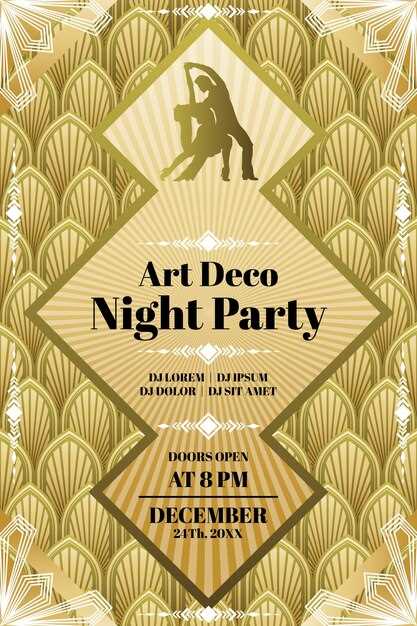
The 1925 Paris Exposition Internationale des Arts Décoratifs et Industriels Modernes marked a pivotal moment in the history of design, showcasing the vibrancy of the Art Deco movement. This exposition celebrated machine-made objects and the harmonious blend of modernity and craftsmanship. Structures that emerged during this period exemplified the formal qualities of Art Deco, where the emphasis on geometric forms and decorative elements was prevalent in every ensemble.
Among the pivotal structures of the exposition, the Palais de Tokyo stood out as a monumental entrance to the world of Art Deco. The building was adorned with sculptural figures and features a dramatic tower that captured the essence of the style. Designed by the architects André Granet and Jean-Camille Formigé, the entrance was emphasized by its curved lines and sleek concrete façade, embodying the modernity that characterized the event.
Another essential structure was the Palais des Congrès, which showcased the versatility of modern construction materials. Its pillars and open spaces highlighted the interplay between light and form, creating a dynamic atmosphere highly regarded by visitors. Exhibitors from various manufacturing sectors came together to create showcases that displayed their furniture and decorative arts, stimulating a collective appreciation for Art Deco.
Notably, the Fountain of the Abundantia, located within the exposition grounds, is an exceptional example of decorative artistry. This fountain featured curved lines tailored to harmonize with the other structures and served as a centerpiece. The flowing water symbolized prosperity and connection, resonating deeply within the context of the time and the themes explored during the exhibition.
The Musée des Arts Décoratifs, now a cornerstone in preserving this illustrious heritage, was a significant contributor to the display’s overall impact. The collection, curated by figures like Émile-Jacques Ruhlmann, brought together exquisite works of furniture and decorative objects. This museum became a repository of the expression embodied by Art Deco, from light fixtures to intricately designed desks and tables.
| Structure | Arquitecto | Característica clave |
|---|---|---|
| Palais de Tokyo | André Granet, Jean-Camille Formigé | Monumental entrance with sculptural figures |
| Palais des Congrès | N/A | Pillars and open spaces |
| Fountain of the Abundantia | Robert Favier | Curved lines and flowing water |
| Musée des Arts Décoratifs | N/A | Exquisite collection of Art Deco objects |
The striking designs presented at the exposition greatly influenced the fashion and architectural trends that followed. The lines and aesthetics of Art Deco resonated beyond structural design, penetrating fashion and industrial design. Whatever the medium, the spirit of the time found expression in every creation, showcasing a dedication to style and innovation.
These structures collectively narrated the story of a moment where old-world craftsmanship met new-age innovation. The harmony between decorative arts and industrial design was not merely a trend but a declaration of a new era. The legacy of the 1925 Paris Exposition remains evident today, as contemporary architects and designers continue to draw inspiration from the elegant and bold statement of Art Deco.
Palais de Chaillot: A Symbol of Architectural Innovation
The Palais de Chaillot, designed in 1937 by architects Louis-Hippolyte Boileau, Jacques Carlu, and Léon Azéma, stands as a testament to the Art Deco movement. Positioned strategically across the Seine from the Eiffel Tower, it showcases a blend of functionality and aesthetics. This remarkable structure features soaring concrete pillars and geometric forms that have become iconic representations of the modern architectural style. Its design continues to influence architects and decorators alike, echoing the bygone era while adapting to contemporary tastes.
- The layout of the Palais was meticulously planned to create an impressive view for the visitors arriving from the Trocadéro, with a central tower that resembles the grandeur of historical structures.
- Its facades are adorned with stunning decor, incorporating marquetry, lacquer finishes, and intricate panel designs that highlight the skills of renowned decorateurs such as Ruhlmann and Miyamoto.
Este edificio no solo alberga museos, sino que también sirve como sede para exposiciones internacionales. En su interior, las paredes están revestidas de obras de arte que han sido cuidadosamente dispuestas para celebrar diversos estilos y movimientos culturales. La luz que se filtra a través de los amplios ventanales ilumina las ricas texturas de los materiales utilizados, desde la paja hasta la madera pulida, marcando una perfecta combinación de estética y pragmatismo que define la visión de sus diseñadores. Al mirar hacia el centenario del Art Déco, el Palais de Chaillot nos recuerda la naturaleza atemporal de este movimiento de diseño.
El Cinema Gaumont-Palace: Fusionando Arte y Entretenimiento
El cine Gaumont-Palace, inaugurado a principios del siglo XX, se convirtió en un faro de cultura y expresión artística en el corazón de París. Con su grandiosa arquitectura y elaborado decorativo elementos, sirvió como un lugar significativo donde los mundos del arte y el entretenimiento convergieron. Inspirado por el Art Déco movimiento, el cine combinó diseños innovadores con las tendencias cinematográficas emergentes. Sus murales *grandes* y su marquetería intrincada crearon un ambiente que transportaría al público a un reino de maravillas, reflejando el espíritu de lujo de la época.
Diseñado por el influyente arquitecto Pierre Constant, el Gaumont-Palace es un testimonio del *gran* ingenio de la época. La arquitectura del cine no era meramente funcional; era una experiencia que incluía amplios salones y lujosos salones donde los clientes podían deleitarse con el arte de su entorno. Situado en amplios terrenos, el cine estaba adornado con fuentes que realzaban su *entrada*, estableciendo una clara separación de las bulliciosas calles de París y encarnando el glamour de las películas exhibidas en su interior.
Como pionero de la experiencia cinematográfica, el Gaumont-Palace no solo exhibió películas, sino también las aspiraciones artísticas de su época. La incorporación de elementos inspirados en estilos internacionales, como las influencias japonesas y los elementos de diseño *industriels* alemanes, refleja una tendencia más amplia en la década de 1920 de crear espacios que fusionaran diferentes ideas culturales. Este cine fue originalmente un *store* para el entretenimiento producido en masa, pero evolucionó hasta convertirse en una *maison* de expresión artística donde el cine podía ser apreciado como un arte refinado.
La dedicación del cine a fusionar diversas formas artísticas se extendía más allá de la propia película. Se eligió *mobiliario* e iluminación Art Déco para mejorar la experiencia del espectador, integrando objetos de varias colecciones para asegurar que cada rincón del lugar resonara con el mismo nivel de creatividad. Decos y diseños de *Ruhlmann* y *Boileau* se presentaron prominentemente, demostrando cómo el art déco podía crear ambientes inmersivos que capturaran tanto la luz como la emoción.
Hoy, al celebrar un siglo de Art Déco, el Gaumont-Palace sigue siendo un símbolo de innovación artística y cultural. Continúa impactando el panorama de la moda y el diseño, brindando inspiración a arquitectos y decoradores modernos que aspiran a crear espacios que capturen la esencia de su tiempo. Aunque han pasado décadas, el espíritu del Gaumont-Palace, lleno de *ideas* del pasado y aspiraciones para el futuro, aún ilumina el mundo del cine y más allá.
Automobile Club de France: Un testamento de elegancia
El Automobile Club de France (ACF) se erige como un ejemplo monumental del Art Déco, exhibiendo una estética que ha inspirado a diseñadores desde su creación en la década de 1920. Cada característica interior y exterior de este edificio es una mezcla armoniosa de funcionalidad y belleza, lo que lo convierte en un icono celebrado de refinamiento arquitectónico. La ornamentación que se muestra en toda la estructura es un testimonio de la artesanía de artistas como Lalique y Horta, cuyos intrincados bocetos y motivos añaden una capa de lujo al club. Estos elementos se extienden más allá de la mera decoración; definen la esencia misma del Art Déco. Al fusionar diferentes materiales como el hierro y la fibra, el ACF ha creado una serie de características distintivas, incluidas entradas que invitan a la admiración y una fuente que cautiva a los visitantes.
Jean-Michel y Sonia, entre los decoradores influyentes de la época, desempeñaron un papel crucial en la configuración de los interiores del club, garantizando que cada rincón no fuera solo una muestra de elegancia, sino también un reflejo del espíritu de la época. La torre del edificio y los objetos que albergaba fueron creados para evocar una sensación de grandeza, encarnando un espíritu que nunca se desvanecerá. Se erige como un faro para los embajadores del diseño, invitando a las futuras generaciones a explorar sus históricas salas, donde el pasado se encuentra con el presente, y cada visita es un viaje a través de los momentos decisivos de un legado centenario.