


 Español
  English (UK)
  Русский
  বাংলা
বাংলা  العربية
  日本語
日本語  한국어
한국어  Magyar
  Norsk nynorsk
  Türkçe
  עִבְרִית
  Čeština
  Svenska
  Português
  Ελληνικά
  Suomi
Suomi  Nederlands
  Română
  Italiano
  Français
  Polski
  Українська
  Deutsch
  简体中文
简体中文  Slovenčina
  Српски језик
  اردو
اردو  Azərbaycan dili
  O‘zbekcha
  አማርኛ
አማርኛ 

Book a sunrise slot in Teide National Park to see lava-colored rocks glow as the sun climbs. The Canary Islands offer a mosaic of microclimates across spains different areas, from arid lava fields and volcanic land to lush terraces, so plan multiple stops for sand, rocky coastlines, and summit views.
Beyond Tenerife’s glossy beaches, the archipelago comprises diverse scenes: Lanzarote’s lava tubes, La Palma’s green slopes, and Gran Canaria’s dunes. In winter, marine air meets higher elevations; snow can briefly frost the summit of Teide on chilly mornings, while coastal towns stay mild. Bring layers and a windproof layer for higher paths.
The highest point, Mount Teide at 3,718 meters, anchors a UNESCO-listed national park with starry skies nearly every night. On clear evenings, the darkness is so deep you can spot the Milky Way without equipment; check moon phases if you want extra-dark conditions for astrophotography.
In towns like gúímar, you’ll find markets selling local crafts, but skip tacky stalls that push generic souvenirs. Instead, choose small makers and family-run eateries, which offer regional flavors such as gofio, mojo, and fresh seafood. If youre exploring, use official trails and respect signage to protect delicate lichens and pine habitats.
Plan a route that covers tenerifes volcanic landscapes, the sand and dunes of Gran Canaria, the rocky coastlines of Tenerife, and the cacti-studded arid zones of Lanzarote. Weather shifts by elevation: coastal warmth, inland cool air, and occasional snow at the summit in winter. With plenty of daylight and fewer crowds in shoulder seasons, you can map a loop that suits a week or a long weekend.
Finally, taste matters: sample fresh fish in small towns, order papas arrugadas with mojo, and sip local coffee while watching a horizon that feels like a promise beyond the usual postcard view. The Canary Islands reward travelers who blend careful planning with curiosity and a respect for nature.
Canary Islands Quick Guide
Plan a 7-day circuit around Tenerife, Gran Canaria, and Lanzarote to maximize value.
This matter helps travelers move efficiently, especially if you have time constraints. Also, this guide aims to give practical steps you can use this trip.
The archipelago belongs to spain, sitting off the northwest coast of Africa. Each island offers a distinct vibe, but all shine with year‑round sunshine and easy access.
Desplazarse
- Inter‑island hops: short flights run 20–50 minutes between major hubs; ferries connect some routes in 2.5–5 hours. If you want flexibility, fly between the largest gaps and reserve a short ferry for a scenic link.
- On‑island travel: rent a car on each island to maximize time. Driving lets you reach viewpoints like Teide, Roque Nublo, and Timanfaya without sticking to a timetable. This approach keeps you back from crowded bus routes and helps you keep a steady pace, which is also more comfortable for families or groups.
- Tip: book early in peak season (July–August) to lock in better rates and preferred pick‑ups. If you’re interested in a slower pace, you can still enjoy key spots by combining a couple of longer stays with day trips.
Capitals and quick routes
- The capital cities are Santa Cruz de Tenerife (Tenerife) and Las Palmas de Gran Canaria (Gran Canaria). This contrast delivers urban vibes by the sea and access to historic quarters in one weekend style loop.
- Base ideas: choose a central stay on the south coast of Tenerife or Gran Canaria to cut drive times to multiple highlights; then pivot to Lanzarote or La Palma for a day or two if you’re keen on a deeper look.
- In all cases, plan backups for weather changes. A sudden mist in Anaga or a cloudy morning near Lauro valley still yields dramatic views and fresh air.
Island highlights in a tight itinerary
- Tenerife: Teide National Park offers volcanic landscapes and a cable car ride up to high viewpoints; Güímar (güímar) hosts the pyramid site and a volcanic museum you can visit in a couple of hours. Don’t miss white sandy beaches on the south coast and the green canopy of Anaga Rural Park for a flower‑filled hike.
- Gran Canaria: Maspalomas Dunes provide a wide white‑sand coastline, while Vegueta’s streets tell a colonial story. Roque Nublo marks a dramatic backdrop for a longer trail, and the island’s south coast features varied beaches with calm waters suitable for families.
- Lanzarote: Timanfaya National Park is a must for lunar lava scenery, with guided demonstrations that bring the rock textures to life. Combine a César Manrique route with villages painted white and blue accents to capture a balanced view of art and geology.
Practical tips you can act on
- Weather timing: the interior can be cooler at night; pack a light layer for higher elevations and a swimsuit for beach days. This approach keeps you comfortable on long drives and hikes.
- Water and food: stay hydrated and try fresh seafood with local white wines, especially Malvasía from Lanzarote. You’ll notice a refreshing finish that pairs well with olives and goat cheese.
- misinformation beware: verify itineraries with official tourism sites. A quick check prevents overbooked activities and misrepresented opening hours, so you won’t waste time or money.
- Flowers and flora: especially in Anaga and the north, expect lush greens and seasonal flowers. A short nature walk can become a highlight even on a tight schedule.
- Driving tips: keep to local speed limits and watch for narrow coastal roads. If you’re not comfortable with steep passes, choose guided tours for mountain stretches and focus on seaside viewpoints.
- Accessibility: some uplands require a moderate hike; plan a mix of accessible beaches and lookouts if you’re traveling with kids or mobility considerations. This still leaves plenty of room for scenic drives and coffee breaks.
Food, culture, and what to bring
- Local specialties: fresh fish, papas arrugadas with mojo, and cheeses from island producers. Combine meals with a glass of white wine for a crisp finish.
- Gifting and souvenirs: look for crafts in Vegueta markets and local pottery in villages around Güímar; this thing offers tangible memories without overpacking.
- What to pack: breathable clothing, sturdy walking shoes, sunscreen, a light jacket for elevated areas, and a compact camera to capture lava textures and cloud forests.
A compact plan if you want to cover the essentials
- Day 1–2: Tenerife base, Teide cable car ride, and a sunset at a southern beach.
- Day 3–4: Cross to Gran Canaria, Vegueta stroll, Roque Nublo hike, and Maspalomas dunes at golden hour.
- Day 5–6: Lanzarote day trip, Timanfaya views, and a César Manrique‑influenced town walk.
- Day 7: Return leg or a half‑day coastal drive to soak in the last white sands before departure.
Final notes
If you’re still deciding, this plan offers much flexibility and avoids the usual crowds during off‑peak days. If you’re definitely keen on a faster pace, you can add a second island to your loop and still fit in the must‑see spots. The boom of hotel options in the southern zones provides a wide range of budgets, while scenic drives align with a relaxed rhythm you can enjoy this occasion. The Canary Islands shine as a compact travel capsule: lava landscapes, white shores, and a friendly pace that invites you to explore more, again and again. Thank you for reading this quick guide and may your trip back be filled with clear memories and fresh discoveries.
Myth 1: Tenerife is hot everywhere all year
Reason guides the plan: Tenerife’s climate isn’t uniform. The island spans from sea level to the mount Teide, producing different microclimates by area and season. Those differences mean you won’t find hot weather everywhere on every day. The south coast stays warmer and sunnier, while the north is cooler and windier, and high elevations can be chilly even in summer. If youre planning a day at the beach, your best bet is to base yourself on the south and save mountain trips for the morning or late afternoon. These zones are connected by trade winds, shaping when you get sun and rain.
Beaches along the south coast become the go-to for sun seekers, while the north offers more dramatic scenery and a different air. Water temps reach around 23-25°C in summer and 18-20°C in winter. Whatever month you visit, expect a mix of temperatures and wind across the island, so plan flexible days. The carnival in Santa Cruz de Tenerife is a favourite event for many, drawing tourists from across Europe. If youre interested in local culture, you’ll find music, parades, and costumes that you’ll remember long after you leave.
Mount Teide and its volcanic landscapes create a cool counterpoint to the beaches; even troya paths near the coast show how microclimates can shift within a short distance. The natural scenery sits alongside white houses that reflect sunshine, offering a dynamic backdrop for day trips. lanzarote offers a useful comparison for those curious about archipelago-level climate differences, reminding you that whatever island you choose, layers and flexibility pay off.
- For warmth: base yourself on the south coast (Los Cristianos, Playa de las Américas, Costa Adeje) and plan morning or late-afternoon trips to higher ground.
- Beaches become crowded in peak season; bring sunscreen, water, and a hat to enjoy every hour you’re by the sea.
- Pack layers for high-altitude stops; at the mount, temperatures can drop sharply compared to the coast.
- Avoid tacky stalls selling cheap souvenirs; buy genuine local crafts at markets to support residents.
- If youre curious about culture, a day around the carnival, Puerto de la Cruz, or a coastal walk offers a favourite mix of scenery and music for many visitors.
In short, if youre planning a Canary Islands itinerary, your best approach is to treat Tenerife as a climate mosaic rather than a single season. Whatever your plans, you’ll find options that fit your interests, from long beaches to hikes on a mount or volcanic landscapes. Youve got room to adapt, and that flexibility helps you enjoy your trip regardless of the forecast. This definitely makes the island worth exploring more than once.
Myth 2: All Canary Islands share the same landscapes and culture
Visit at least two islands to feel the difference; this approach isnt a one-island shortcut, and it definitely reveals how landscapes and cultures diverge across the archipelago. Where volcanic lava fields meet green ravines, you see contrasts between Lanzarote’s lava plains and La Palma’s forested barranco routes. Temperatures vary by coast and altitude; some trails climb above the trees, while other routes stay warm in the sun. On hikes, pack drinking water and watch for signs in bilingual panels. This versatility means parts of the archipelago offer different experiences, from beaches to upland viewpoints.
In garachico on Tenerife, the town sits above a lava-fed coastline, and a 1706 eruption reshaped its layout. The volcanic terrain, black lava rocks, and nearby barranco paths show how the landscape evolves over time. You can stroll the old port, hike above the trees along cliff trails, and learn how the municipality rebuilt itself–explained by guides and locals again and again, illustrating that history and geography are inseparable. You can walk back through the old streets to feel the continuity of the place.
Culture varies noticeably: carnival celebrations in Santa Cruz de Tenerife and Las Palmas de Gran Canaria draw crowds, but each municipality marks it differently. theres a live mix of music, dance, and local customs, and guards and security staff manage crowds at peak times. On some routes, the crowds are less intense than in the major hubs. This isnt just tourism; its a study of weather, history, and daily life, explained by residents who compare islands and plan visits by carnival times. Bring your curiosity and sample a pint at a neighborhood bar to taste the local approach to food, drink, and social life.
Myth 3: Volcanoes are constantly active and dangerous
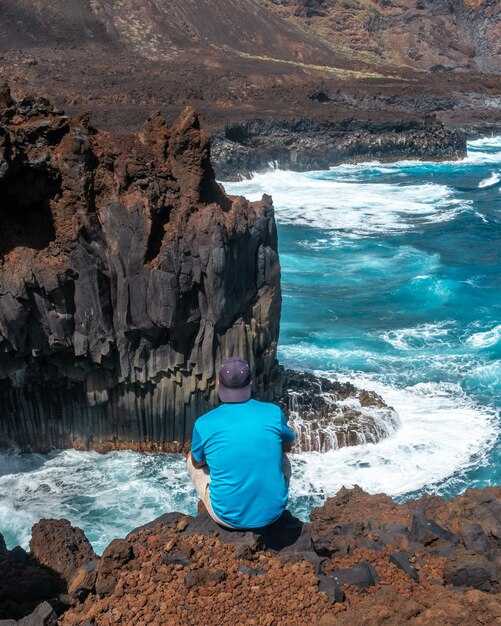
Always verify official alerts before planning outdoor activity and book with a licensed guide who can explain current activity levels in simple terms.
Most visitors assume the Canary Islands are in a constant boom of danger. This isnt accurate. Volcanoes here erupt episodically, with long calm spells between events. In spain, national networks monitor seismic signals, ground deformation, and gas emissions above ground and publish clear, localized updates when risk rises. Tourism relies on this reliability; the danger isnt planet-wide–it’s localized and manageable. If you want more confidence on the ground, opt for guided routes and trusted viewpoints.
In recent episodes, the Canaries have shown how quickly conditions can shift. Timanfaya’s eruption on Lanzarote (1730-1736) reshaped large areas, Tenerife’s 1909 event reminded locals that eruptions can be sudden, and the 2021-2022 La Palma eruption lasted about three months, with lava flows altering coastlines in the west and destroying hundreds of structures. Some dramatic clips filmed years ago on tenerife- show the power of eruptions, but theyre not a daily guide to current risk. This is a misleading image.
What you should do: rely on official sources and local guides, choose routes away from restricted zones, and respect barriers. If youve never visited volcanic landscapes, a guided route provides useful context about lava tubes, ash fall, and safe viewpoints. For beach days, you can enjoy playa scenes and palm trees along promenades, but always carry water and avoid drinking from streams near red-hot vents. Use bottled water when in doubt.
Key takeaway: most of the islands remain accessible and safe when activity is calm, but the risk isnt completely gone. A single eruption can change a coastline, yet the planet-wide threat is not the everyday reality here. If you want more reliable insights, subscribe to a newsletter from the national or regional authorities to stay ahead of any changes in west-facing areas or inland trails among trees, or near busy tourist zones. This knowledge aligns with a clear purpose: enjoy the scenery, stay informed, and protect local communities and ecosystems.
Myth 4: The Canary Islands are expensive to visit
Yes–it’s affordable if you plan smartly. If you’re interested in a budget-friendly escape, book flights and ferries well in advance, travel in shoulder times, and stay in guesthouses or apartments with a kitchen so you can cook some meals. A well-paced itinerary that prioritizes free or low-cost activities lets you walk between beaches, volcanic viewpoints, and hiking trails without paying high entrance fees.
There are five main islands off Africa’s northwest coast, and prices stay reasonable across spains archipelago. In tenerife- and on other islands, you can find budget stays in towns like Santa Cruz, La Laguna, or Las Palmas for about 40–70 EUR per night. Use TripAdvisor reviews to spot well-rated hostels with kitchens; self-catering saves much on meals. Free beaches with sand and gray lava landscapes around the volcano offer fantastic days without a big price tag. If you’re curious about local culture, you can often catch a ceremony or community event that runs at little or no cost.
To stretch your budget, plan days around times when buses run, walk between sights, and focus on trails that are free. Teide National Park delivers dramatic volcanic scenery; the main hikes are free, while the cable car costs about 12–14 EUR each way if you choose to ride. Inter-island hops by ferry run roughly 30–60 EUR when booked early, and intra-island transport stays inexpensive with the guagua network. For culture lovers, look for open public performances or markets that showcase favourite parts of each island without premium prices. This approach helps you back your trip without overpaying and lets you find the perfect balance between nature, sand, and local life, anywhere on spain’s Atlantic edge.
Cost at a glance can be planned with this quick view:
| Categoría | Budget (EUR/day) | Mid-range (EUR/day) |
|---|---|---|
| Accommodation (hostel/cheap guesthouse) | 15–25 | 50–90 |
| Food (self-catering + casual meals) | 8–15 | 20–40 |
| Local transport (bus, occasional taxi) | 3–6 | 8–15 |
| Activities (free trails; paid tours) | 0–15 | 20–60 |
| Total per day | 26–61 | 98–205 |
Bottom line: you can plan a memorable trip anywhere on the Canary Islands without breaking the bank. Start with a five-day or longer plan, mix free walks along playa and sand with a few affordable excursions, and you’ll return home with stories worth sharing and a wallet that’s still healthy. If you’re back next year, you’ll already know how to reuse the same tricks–inspired by years of travel, you’ll feel confident finding the best deals and new favourite parts across the islands.
Myth 5: You must fly between islands; ferries are unreliable
Take the ferry for most inter-island hops; youll definitely save money, skip lengthy security checks, and still enjoy volcanic coastal views. Ferries link the major routes across the national archipelago, and the schedules are predictable enough to stay flexible, especially if you stay near güímar on Tenerife’s east coast. If you heard ferries are slow, isnt always the case, and many crossings run quickly enough for a relaxed itinerary. These options help you keep your plans aligned with your interests.
Times vary by route and season: Tenerife–La Gomera about 50–60 minutes; Tenerife–La Palma around 2.5–3.5 hours; Tenerife–Gran Canaria about 1.5–2.5 hours. Other links can take longer, up to 4–5 hours for some Lanzarote–Fuerteventura connections. Check the operators Naviera Armas Interinsular and Fred Olsen Express for current times. These services are strictly scheduled and linked between main ports such as Santa Cruz, Las Palmas, Los Cristianos, and Arrecife.
Just plan with a clear reason: you can carry a car or just a passenger, with full flexibility that lets you visit places. Look for onboard bars and cafés to stay comfortable on long hops. If a crossing is canceled due to rough seas, you still have another option on the same day or you can switch to a domestic flight. This approach keeps your trip on track, and gives you the basis to explore quite a few places without rushing. Remember, using ferries lets you see the volcanic coast and trails that connect these places.
Little-known archipelago facts you should know before visiting
Book a licensed guide for Teide National Park trails before you arrive; this avoids misinformation and keeps you safe. Guides explained terrain features, entry rules, and how to descend before sunset.
Pack for diverse conditions: warm sun on the coast, cool air in the high peaks, and sudden gusts along ridges. These islands belong to spains jurisdiction, yet each island has its own microclimate; a short-sleeve layer, a fleece, and a windproof layer travel kit work well. Expect heat in the south, fog at higher elevations, and wind at times; plan for layers in years when fronts cross the islands. Also, bring sunglasses and a hat just in case.
Avoid misinformation: myths about drinking water, altitude effects, or visa rules circulate online. Also, check official sources; locals explain the real facts during markets and in ceremony announcements.
Hiking trails offer varied landscapes: volcanic craters, laurel forests, and palm groves; choose a special route that matches your fitness. Carry water regularly and wearing sturdy shoes; whilst some trails are well-marked, others require a guide or local map.
Stay in a resort or guesthouse, and explore bars along the coast to taste local tapas after hikes. Strictly respect dress codes and neighborhood quiet hours; these practices help you connect with locals and keep visits smooth.
Inter-island links are connected via ferries and short flights; travel times vary by season. To find routes, check official timetables and work with a local operator on a practical basis; if youve limited time, pick one hub on the southern side to anchor your visit.
Where to begin depends on your interests: volcanic landscapes, hiking, or beaches; ask locals and find current conditions at the park office. Youve got a few flexible days; use a mix of trails and coastal resorts to balance time.