


 English (UK)
  Русский
  বাংলা
বাংলা  العربية
  日本語
日本語  한국어
한국어  Magyar
  Norsk nynorsk
  Türkçe
  עִבְרִית
  Español
  Čeština
  Svenska
  Português
  Ελληνικά
  Suomi
Suomi  Nederlands
  Română
  Italiano
  Français
  Polski
  Українська
  Deutsch
  简体中文
简体中文  Slovenčina
  Српски језик
  اردو
اردو  Azərbaycan dili
  O‘zbekcha
  አማርኛ
አማርኛ 

Accessibility in the arts, particularly in theatre, plays a crucial role in ensuring that all individuals, regardless of their abilities, have the opportunity to enjoy performances. Research indicates that a significant portion of the audience has different needs, including those with autism, visual impairments, and mobility challenges. Providing suitable access to these individuals not only enhances their experience but also enriches the cultural fabric of our communities.
Venues like the Strathblane Theatre are taking responsibility for improving accessibility by implementing various measures. From tickets designed for different sections of the hall to assistive services such as touch tours and captioning, these strategies are essential for welcoming disabled audiences. By offering braille programs and audio describers during shows, venues ensure that language and interpretation are not barriers but rather tools that facilitate engagement.
Moreover, the availability of personalized services, such as email communication for specific requests, demonstrates a commitment to understanding the diverse needs of attendees. Whether it’s through the creation of high-quality resources or the implementation of useful technology, venues are continuously looking to enhance accessibility. It’s about much more than just the performance on stage; it’s about creating an inclusive experience from the moment you purchase your tickets to the final bow of the performers.
As we move forward, there’s a budget and ambition to further improve access for all, utilizing zones that cater specifically to patrons with different disabilities. By continuing to ask questions and engage with our audiences, we can ensure that everyone has the chance to attend and enjoy theatre. After all, every performance has the potential to inspire, and it is our responsibility to make that experience available to everyone, regardless of their abilities.
Understanding the Accessibility Landscape
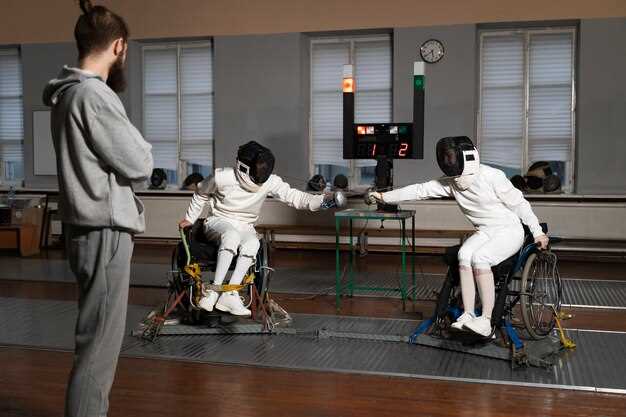
Accessibility is a multifaceted concept that provides the ability for people with disabilities to participate fully in society. Events like festivals and exhibitions often require careful planning to ensure that they accommodate all attendees. By analyzing the accessibility landscape, organizers can better understand how to meet the needs of diverse audiences.
Events often have sections dedicated to accessibility, where information is provided through clear signage and communication strategies. For instance, lanyards with braille or large print can help individuals with visual impairments navigate through busy areas. Festivals can also implement sensory-friendly sections, allowing those with sensory processing issues to enjoy the event without feeling overwhelmed.
Platforms that support event planning must also consider how to invest in accessible equipment. This includes sound loops for hearing assistance that ensure everyone can enjoy performances on stage. The significance of accessibility equipment cannot be overstated, as it enables people to participate in cultural events that might otherwise be inaccessible.
Moreover, effective communication strategies facilitate better engagement. Emailing participants with details about accessible features encourages questions and fosters understanding. Additionally, organizers can tour the venue with disabled individuals to gain insights into the specific challenges they may encounter.
Budget considerations often play a significant role in planning for accessibility. Having a dedicated budget for accessibility projects is crucial. By allocating resources to enhance the experience for people with disabilities, event organizers demonstrate their commitment to inclusivity. This investment not only helps individuals participate but also enriches the experience for all attendees.
Communities like Fintry strive to create more accessible public spaces, which can influence how local events are organized. Collaboration with local advocacy groups can provide valuable insights, particularly for smaller venues that may not have significant experience in accommodating diverse audiences. This cooperation often leads to better outcomes for everyone involved.
People with disabilities appreciate when events actively promote accessibility; they feel more comfortable attending if they’re aware of the accommodations available. Offering visual maps that highlight accessible features ensures attendees can navigate the site confidently. T-shirts with accessibility symbols can also serve as conversation starters, fostering awareness and understanding among attendees.
In conclusion, enhancing accessibility requires a comprehensive understanding of the landscape. By prioritizing the needs of disabled individuals and actively planning for inclusive experiences, society can create events that provide everyone with the opportunity to engage and enjoy. It is important for all stakeholders to remember that accessibility is not a checkbox; it is an ongoing commitment to inclusivity in every project.
Current Accessibility Standards for Festivals
Ensuring accessibility at festivals is becoming increasingly vital to accommodate the diverse needs of disabled audiences. Current standards emphasize the importance of providing a range of facilities and services that cater to various disabilities, including physical, sensory, and cognitive impairments. Organizers must develop a comprehensive accessibility programme that includes accessible tickets available through platforms like ticketsedintattoocouk, allowing easy online registration.
Many festivals now designate specific zones for wheelchair users and delegates with mobility challenges. These zones should be strategically placed close to performance stages, ensuring that audiences can enjoy sessions with minimal effort. Moreover, it is important for signage to be clear and effective, helping attendees navigate the festival site easily.
- Performance areas must incorporate features such as induction loops for hearing-impaired audiences.
- Captioning should be available for all performances to benefit those with hearing loss.
- All communication should be interpreted into sign language to facilitate understanding for everyone.
The impact of autism on festival attendance should not be overlooked. Many festivals are beginning to implement sensory-adjusted performances, where lighting and sound effects are moderated to create a more calming environment for individuals on the autism spectrum. Additionally, support staff trained to assist individuals with special needs can significantly enhance the overall experience.
As festivals continue to evolve, it is crucial to switch to more inclusive practices. Emailing options should be made available for attendees to inquire about accessibility features easily. Festivals should also have a clear guide detailing the availability of services and facilities to ensure that every participant has the opportunity to fully engage in the cultural activities offered. By prioritizing accessibility, festivals can become platforms that celebrate community and inclusivity.
Legal Obligations for Event Organizers
Event organizers have a very important role in ensuring that their festivals and events are accessible to all attendees, especially those with disabilities. This obligation includes providing clear and easy access to facilities, such as lifts and seating areas, to accommodate members with mobility impairments. They must also consider the needs of people with hearing disabilities by offering services like captions for performances, ensuring that everyone can fully enjoy the experience. A thorough list of accessibility features should be made available during the ticket registration process, allowing attendees to plan their visit effectively. Examples of these features might include dedicated badges for those requiring assistance, as well as information on available services such as sign language interpretation.
In cities like Edinburgh, where many events take place, organizers must recognize the military and legal guidelines that govern accessibility. Failing to comply can lead to overwhelming challenges for attendees and create an unwelcoming atmosphere. It is crucial to provide helpful resources and clear communication regarding accessible options, such as specific sessions for individuals with autism or other sensory impairments. When planning your event, remember that every detail counts, from the registration process to the production floor. For those who wish to provide a festival experience without barriers, taking early action to understand their obligations will lead to a more inclusive and enjoyable environment for all. Ultimately, they should aim to go beyond the minimum requirements, ensuring that every participant feels complete and valued throughout the event.