


 Ελληνικά
  English (UK)
  Русский
  বাংলা
বাংলা  العربية
  日本語
日本語  한국어
한국어  Magyar
  Norsk nynorsk
  Türkçe
  עִבְרִית
  Español
  Čeština
  Svenska
  Português
  Suomi
Suomi  Nederlands
  Română
  Italiano
  Français
  Polski
  Українська
  Deutsch
  简体中文
简体中文  Slovenčina
  Српски језик
  اردو
اردو  Azərbaycan dili
  O‘zbekcha
  አማርኛ
አማርኛ 
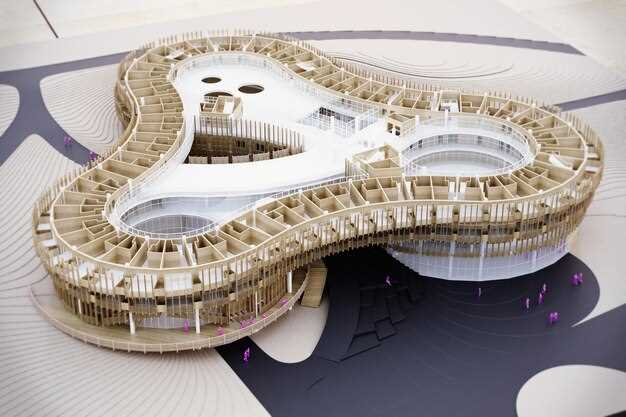
The Guggenheim Museum stands as a pivotal figure in the cultural landscape of modern art and architecture, intended to be more than just a house for artworks. Over the decades, it has evolved into a creative hub that hosts a diverse range of exhibitions and events. Visitors often find themselves captivated by the striking rotunda and the innovative design that takes them on a journey through the latest in artistic expressions. The building itself, a masterpiece of architecture, is as much a part of the experience as the art it houses.
This article delves into the relationship between the museum and the artists it showcases, including names that have been awarded the highest honors in the art world. From painters to photographers, the Guggenheim’s commitment to collecting and presenting works that challenge and inspire is evident. The curatorial initiative extends beyond the walls of the museum, engaging conversations with local communities and even utilizing platforms like Facebook to reach a global audience. Inside, the diverse space is designed to encourage exploration, with each floor offering a unique view of both the art and the architectural marvel surrounding it.
In places like Bilbao and Abu Dhabi, variations of the Guggenheim’s vision have emerged,–each made to reference the original yet tailored to their respective cultures. However, the New York location remains an iconic site for those seeking a deeper understanding of 20th-century artistic movements. Here, art takes on a new life, revealing the emotional and social narratives that have shaped our world. The ongoing conversations sparked by exhibitions, such as those featuring artists like Bearden, serve to further enrich the experience of visitors climbing the winding paths inside the tower, ensuring that the journey through modern art remains both enlightening and engaging.
Guggenheim Museum Overview
The Guggenheim Museum is a historic institution dedicated to modern and contemporary art, with its most iconic location in Bilbao, Spain. Designed by architect Frank Gehry, this structure is an artistic masterpiece that has redefined museum architecture. No matter where you are from, the Guggenheim serves as a cultural beacon, bringing together a diverse array of artistic mediums and pieces.
Visitors encounter a variety of exhibitions, ranging from the abstract works of Paul Klee to the classic pieces of Edgar Degas. The museum’s accessibility is enhanced by initiatives that encourage a general collaboration of arts, ensuring everyone can experience the beauty of fine artworks. The Guggenheim also hosts events on Saturdays, allowing for an engaging atmosphere filled with dancers showcasing their talents, enhancing the visual experience.
Every floor of the museum is meticulously curated, showcasing designated sections for groundbreaking exhibitions. The Guggenheim’s collection includes bestselling artists and a fellowship program that has worked tirelessly to support emerging talents in California and beyond. This dedication to collecting and sharing art has rendered the museum a cornerstone in the global dialogue of visual arts.
In addition to its physical structure, the Guggenheim has evolved into a platform for creative collaborations, inviting artists like Roxane and others to contribute to interactive installations. Each level of the museum tells stories from different dates and cultural contexts, allowing viewers to engage with artworks in a meaningful way. The blend of innovative design and carefully curated pieces creates an enriching environment that continues to inspire generations.
Exploring the Guggenheim Museum offers a journey through time and artistic expression, where wearable art and exquisite prints become part of the visitor’s experience. The narratives shared through exhibitions resonate deeply with the audience, making the Guggenheim not just a museum, but a vibrant hub of artistic exploration.
Architectural Significance of the Building

The Guggenheim Museum, designed by Frank Lloyd Wright, has become a significant symbol of modern architecture since its completion in the 20th century. Located on 86th Street in Manhattan, New York, it houses an impressive collection of fine art and serves as a vital part of the network that connects diverse artistic expressions. The building’s unique spiral design not only challenges conventional museum layouts but also enhances the visitor experience by creating a continuous flow of movement, making art more accessible to everyone.
Today, the Guggenheim is recognized for its innovative use of light and space, further emphasizing its role as an artistic institute. The changes in its appearance throughout the decades have been minimal, ensuring that the integrity of Wright’s vision remains intact. The building intentionally dialogues with its surroundings, including the downtown area of New York and the artistic communities represented within its walls. It is here that major exhibits occur, showcasing work by both renowned artists like Monet and lesser-known figures, including African-American artists who have also played significant roles in American art history.
The Guggenheim’s architectural significance lies not only in its aesthetic qualities but also in its function as a platform for enlightening discussions around art and society. Wright’s design is a testament to the importance of creative expression and the relationship it has with various communities. From photography to prints, every exhibit contributes to a larger conversation about the role of art. This inclusive approach allows visitors, regardless of their backgrounds or disabilities, to engage with artistic works that reflect a myriad of perspectives and cultures.
As a result, the Guggenheim Museum continues to capture the attention of art lovers and casual visitors alike, fostering a dynamic environment where artistic appreciation transcends conventional boundaries. The legacy of the building, paired with its ongoing exhibitions and events, ensures that it remains a pivotal part of New York’s cultural landscape, inviting everyone to participate in its rich history.
Key Collections and Exhibitions
The Guggenheim Museum houses an array of iconic collections and exhibitions that have shaped the landscape of modern art and architecture. Among its most celebrated assets are the extensive collections of abstract paintings and prints, which showcase the evolution of artistic expression throughout the twentieth century. The museum is particularly renowned for its commitment to featuring the works of influential artists such as Pablo Picasso and African American painters like Bearden, providing visitors with a comprehensive understanding of their impact on the art world.
Every year, the Guggenheim presents a series of thought-provoking exhibitions designed to engage the community and foster a deeper relationship with art. These exhibitions often feature a mix of contemporary works and classic pieces, creating a unique dialogue between different eras. On Saturdays, the museum often hosts special presentations and discussions, where scholars and artists delve into the stories behind the artworks, providing fascinating insights and writing reviews that are shared across various networks, including Reddit.
The museum’s Guggenheim Fellowship program is a vital component of its mission, as it supports emerging artists and scholars by providing them with the necessary resources to develop their craft. This initiative contributes to the rich tapestry of art housed within the museum, ensuring a rotating selection of challenging and innovative works. Recent exhibitions have explored a variety of themes, from the relationship between color and form to the impact of urban life on creativity, with particular attention to how artists translate their experiences into visual language.
Visitors can expect a dynamic experience when exploring the museum. The building itself, designed by Frank Lloyd Wright, is a work of art, with its spiraled tower and open galleries creating a unique flow that enhances the viewing experience. Each exhibit is carefully curated to encourage exploration and discovery, making it a must-visit destination for both art enthusiasts and casual visitors.
In summary, the Guggenheim Museum’s key collections and exhibitions not only celebrate the best-selling names in modern art but also highlight the movement’s ongoing evolution. As members of the global art community, guests can count on finding fresh perspectives and innovative works that will stay in their memories long after their visit. Be it through the vibrant street art movement or classic masterpieces, the Guggenheim always promises a rich experience unlike any other.
Impact on Modern Art Movement
The Guggenheim Museum has significantly influenced the modern art movement, acting as a pivotal stage where individual artists and artistic styles converge. Over the years, it has hosted exhibitions that promote dialogue between varied art forms, showcasing pieces from famous figures such as Picasso, Monet, and Pollock. Their works often challenge the state of contemporary culture, reflecting changes in society and artistic exploration.
One of the museum’s distinctive features is its architectural design, established by Frank Lloyd Wright. This unique building serves not only as a gallery but also as a model of modern architecture, climbing upwards with a spiral ramp that provides a continuous flow of movement through the exhibition spaces. This design enhances the presentation of artworks, allowing visitors to experience each piece in relation to the overall structure.
The museum has acted as an educational platform, permitting individuals from various countries to engage with modern art. Programs designed by Doudna and Roxane, for instance, foster fellowship among artist communities, ensuring that new generations of creators can reflect on historical contexts while exploring their artistic voices. The latest educational initiatives support not just understanding art but also encourage the creation of works that resonate with contemporary ideals.
Ultimately, the Guggenheim Museum threads a narrative throughout modern art history, establishing a connection between pieces of art and the cultural movements that inspire them. This dialogue highlights the museum’s role as an investigator-photographer of evolving artistic expressions, where the influence of the past interacts seamlessly with new interpretations. In a country where art has often mirrored societal changes, the Guggenheim stands as a beacon for future generations, guiding them along the path of creativity and innovation.
| Artist | Famous Piece | Έτος |
|---|---|---|
| Pablo Picasso | Guernica | 1937 |
| Claude Monet | Νούφαρα | 1916 |
| Jackson Pollock | No. 5 | 1948 |
| Εντγκάρ Ντεγκά | The Dance Class | 1874 |
Visiting the Guggenheim Museum
The Guggenheim Museum, a UNESCO-designated landmark, offers a unique experience for art enthusiasts and casual visitors alike. Established by Solomon R. Guggenheim, this institution has become a vital network for modern art and architecture.
When planning your visit, consider the following:
- Τοποθεσία: The museum is nestled along Fifth Avenue in New York City, making it a short trip for those staying in Manhattan.
- Opening Hours: The museum is open to the public Saturday through Thursday, with extended hours on Fridays.
- Είσοδος: Tickets are available online and at the door, with discounts for students and seniors. It’s recommended to check the museum’s website for further details and publications regarding special exhibitions.
Inside the Guggenheim, visitors can explore various art movements and pieces from renowned artists like Degas, as well as contemporary works. Collaborations with fellows from art institutes further enhance the diversity of the collections. As an investigator-photographer might document, each piece presents stories of the artists’ lives and influences.
The design of the building itself, a notable achievement by architect Frank Lloyd Wright, allows for a unique viewing experience. The spiraling ramp leads guests through the galleries in a manner that invites exploration and reflection. Make sure to take your time on each floor, watching how the light interacts with the artworks – a moment that resembles watching a short film unfold.
For those interested in deepening their understanding, the museum offers a variety of resources. Publications and research initiatives are available that detail the lives and techniques of featured artists. Engaging with these materials can enrich your experience significantly, providing contextual insights into the displayed works.
If you wish to connect with fellow art lovers, consider joining conversations on platforms like Reddit or Facebook. These networks often share insights on new exhibitions, events, and personal experiences. Visiting the Guggenheim Museum not only immerses you in fine art but also places you in the midst of a vibrant community sharing their stories and perspectives.
In summary, a visit to the Guggenheim should include ample time to explore its unique architecture, diverse art pieces, and educational programs. Whether you’re a seasoned art lover or a casual visitor, this museum is a treasure trove that brings together people from various walks of life, fostering a greater appreciation for modern art.
Admission Fees and Ticket Options
The Guggenheim Museum presents a striking appearance not only of modern art and architecture but also in its ticketing structure. Admission fees and ticket options are designed to be accessible for a wide variety of visitors, including those with disabilities.
Standard ticket prices are as follows:
- Adults: $25
- Seniors (65+): $18
- Students: $10
- Παιδιά κάτω των 12 ετών: Δωρεάν
Επιπλέον, το Guggenheim προσφέρει ειδικές επιλογές εισιτηρίων για να ενθαρρύνει τις επισκέψεις από διαφορετικά κοινά:
- Είσοδος ελεύθερη κάθε Πέμπτη από τις 5 μ.μ. έως τις 8 μ.μ.
- Οικογενειακά πάσο που επιτρέπουν την πρόσβαση σε δύο ενήλικες και παιδιά με $50.
- Καλλιτεχνικές υποτροφίες για εκπαιδευτικούς και τοπικούς καλλιτέχνες, παρέχοντας δωρεάν πρόσβαση στο μουσείο.
Για όσους ενδιαφέρονται να εξερευνήσουν το μουσείο σε μεγαλύτερο βάθος, διατίθενται προς ενοικίαση ηχητικοί οδηγοί στο $5 και προσφέρουν διορατικούς διαλόγους για τις διάφορες εκθέσεις, συμπεριλαμβανομένων σημαντικών έργων από καλλιτεχνικές προσωπικότητες όπως οι Frank Gehry, Bearden και Degas.
Τα εισιτήρια μπορούν να αγοραστούν εκ των προτέρων ή στην είσοδο. Ωστόσο, για εκθέσεις με μεγάλη επισκεψιμότητα, συνιστάται η εξασφάλιση εισιτηρίων online για την αποφυγή μεγάλων χρόνων αναμονής. Διατίθενται επίσης επιλογές συνδρομής για τους συχνούς επισκέπτες, προσφέροντας σημαντική εξοικονόμηση χρημάτων και αποκλειστική πρόσβαση σε ειδικές εκδηλώσεις.
Το Guggenheim στοχεύει στην ενίσχυση του πολιτιστικού διαλόγου, παρέχοντας ποικίλες οδούς για τους επισκέπτες από όλο τον κόσμο να αλληλεπιδράσουν με τις συλλογές του. Κάθε μοναδική έκθεση, όπως αυτές που παρουσιάζουν τα έργα των Pomodoro και Degas, αντανακλά τη δέσμευσή του στις τέχνες.
Κατά τον προγραμματισμό μιας επίσκεψης, λάβετε υπόψη ότι η πρόσβαση σε ορισμένες εκθέσεις ενδέχεται να είναι περιορισμένη ανάλογα με τη διαθεσιμότητα. Ελέγχοντας την επίσημη ιστοσελίδα του Ινστιτούτου Guggenheim θα βρείτε ενημερωμένες πληροφορίες σχετικά με τις τρέχουσες εκθέσεις, τη διαθεσιμότητα εισιτηρίων και τις επιλογές προσβασιμότητας.
Πώς θα φτάσετε: Συμβουλές μεταφοράς
Η επίσκεψη στο Μουσείο Guggenheim, ένα αξιόλογο ίδρυμα στο Μανχάταν, είναι ένα συναρπαστικό ταξίδι στη σύγχρονη τέχνη και αρχιτεκτονική. Για να φτάσετε σε αυτόν τον εμβληματικό χώρο, προγραμματίστε τη μεταφορά σας για να εξασφαλίσετε μια ομαλή εμπειρία. Το μουσείο βρίσκεται στην Πέμπτη Λεωφόρο, καθιστώντας το εύκολα προσβάσιμο με επιλογές δημόσιας μεταφοράς.
Για τους επισκέπτες που χρησιμοποιούν το μετρό, οι πλησιέστεροι σταθμοί είναι ο σταθμός της 86ης Οδού στις γραμμές 4, 5 και 6, οι οποίοι βρίσκονται σε κοντινή απόσταση με τα πόδια. Εναλλακτικά, οι λεωφορειακές γραμμές της 5ης Λεωφόρου εξυπηρετούν επίσης την περιοχή συχνά, παρέχοντας μια βολική επιλογή για όσους ταξιδεύουν μεταξύ μεγάλων ορόσημων και μουσείων. Σκεφτείτε να αγοράσετε μια MetroCard για εύκολες διαδρομές στο εκτεταμένο δίκτυο μεταφορών της πόλης.
Εάν οδηγείτε, να γνωρίζετε ότι το παρκάρισμα στο Μανχάταν μπορεί να είναι πρόκληση. Η στάθμευση στο δρόμο είναι συχνά περιορισμένη, επομένως ίσως είναι καλύτερα να αναζητήσετε κοντινά γκαράζ. Το Guggenheim περιβάλλεται από αρκετές εγκαταστάσεις στάθμευσης και ορισμένες προσφέρουν ακόμη και μειωμένες τιμές για τους επισκέπτες του μουσείου. Επιπλέον, οι υπηρεσίες ride-sharing είναι μια δημοφιλής επιλογή, επιτρέποντάς σας να παρακάμψετε εντελώς την ταλαιπωρία του παρκαρίσματος.
Για όσους προτιμούν το περπάτημα, το Guggenheim περιβάλλεται από όμορφη αρχιτεκτονική και πολιτισμό. Μια βόλτα στους γύρω δρόμους μπορεί να βελτιώσει την επίσκεψή σας, επιτρέποντάς σας να εκτιμήσετε τα εκλεπτυσμένα αρχιτεκτονικά στυλ των κοντινών κτιρίων και τις σχέσεις που μοιράζονται με το σχέδιο του μουσείου. Αυτή η εμπειρία συχνά σημειώνεται σε δημοσιεύσεις που εξετάζουν τις εντυπωσιακές συλλογές του μουσείου.
Είτε επισκέπτεστε τις τελευταίες εκθέσεις με καλλιτέχνες όπως ο Μονέ ή ο Ντεγκά, είτε απολαμβάνετε τα έργα μεγάλων ζωγράφων του εικοστού αιώνα, όπως ο Κλέε ή ο Ράιτ, η μετάβαση στο Guggenheim είναι αναπόσπαστο μέρος της εμπειρίας. Μην ξεχάσετε να ελέγξετε τη σελίδα του μουσείου στο Facebook ή την επίσημη ιστοσελίδα για τις τελευταίες ενημερώσεις σχετικά με τις εκθέσεις και τις επιλογές μεταφοράς. Σχεδιάζοντας τη διαδρομή σας και χρησιμοποιώντας τους διαθέσιμους πόρους, το ταξίδι σας στο Guggenheim μπορεί να γίνει τόσο αξέχαστο όσο και τα έργα τέχνης που βρίσκονται μέσα στους τοίχους του.