


 Ελληνικά
  English (UK)
  Русский
  বাংলা
বাংলা  العربية
  日本語
日本語  한국어
한국어  Magyar
  Norsk nynorsk
  Türkçe
  עִבְרִית
  Español
  Čeština
  Svenska
  Português
  Suomi
Suomi  Nederlands
  Română
  Italiano
  Français
  Polski
  Українська
  Deutsch
  简体中文
简体中文  Slovenčina
  Српски језик
  اردو
اردو  Azərbaycan dili
  O‘zbekcha
  አማርኛ
አማርኛ 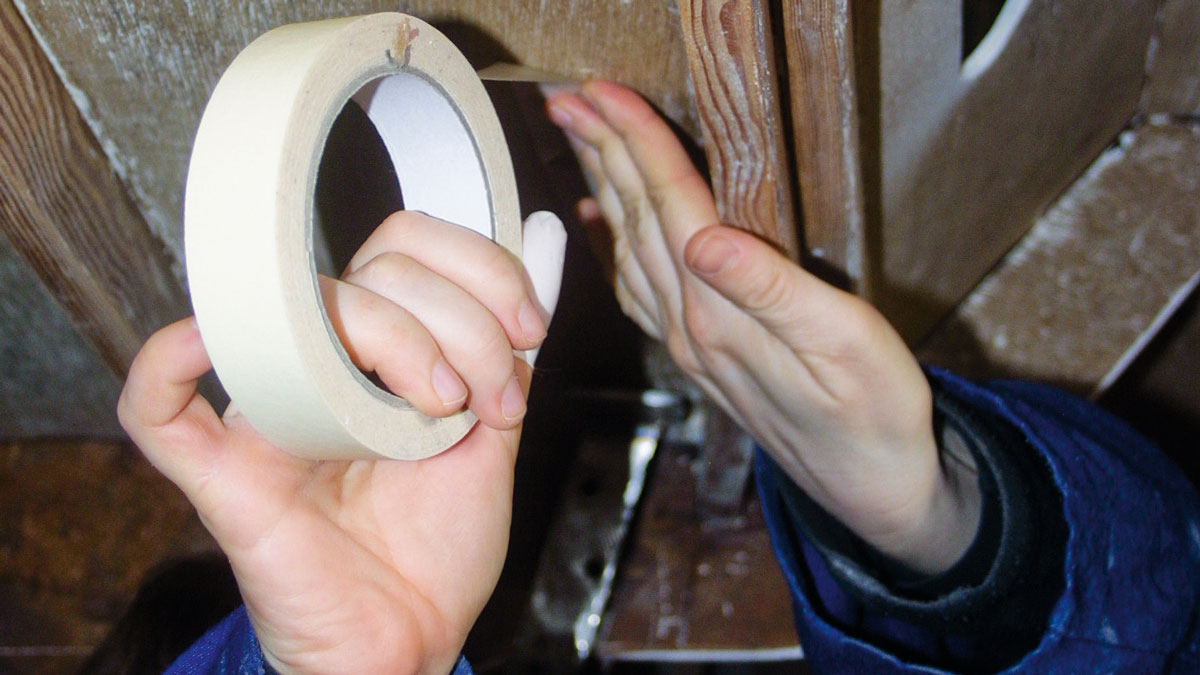 How to strip, fill and fair GRP-covered plywood decks for safer, attractive charters">

A single day of downtime for a small charter yacht often represents a direct loss in bookings and can ripple through marina scheduling, crew logistics and parts supply: successful deck repairs therefore require coordinated delivery of εποξειδική ρητίνη, fairing compounds, specialist abrasives and suitable protective equipment to minimise time at the shipyard and disruption to tourism operations.
Why GRP-over-plywood decks need careful handling
Decks constructed from glassfibre over plywood frequently rely on hand-laid chopped strand mat and fairing compound to produce a smooth surface. Over time, multiple coats of rubberised deck paint can delaminate in large flakes, sometimes lifting chunks of the previously applied fairing. The consequence for operators is twofold: cosmetic degradation that affects guest perceptions, and compromised surface adhesion that raises maintenance costs and scheduling challenges for charter operators and marinas.
Stripping: mechanical versus chemical methods
Mechanical abrasion with a rotary disc sander or a belt sander will usually be fastest if the laminate and coatings are robust, but many modern deck paints resist conventional sanders. Chemical strippers formulated for glassfibre, such as products available from Ecosolutions, and careful use of a hot-air gun are practical alternatives. Each method has trade-offs:
- Rotary or belt sanding — fast removal but creates hazardous dust; use vacuum extraction and full PPE.
- Chemical stripping — gentler on laminate but slow; choose water-based, glassfibre-safe formulas.
- Hot-air — rapid but risky: excessive heat can soften or melt the laminate.
Protecting crew and surfaces
Sanding produces fine glassfibre dust and should always be accompanied by an extractor vacuum taped to the tool, disposable suits, gloves and a respirator. When using chemical removers, ventilate and avoid contact with nearby varnished or painted surfaces.
Filling bolt holes efficiently
Large numbers of redundant bolt holes (for example, leftover genoa-track fixings) are best addressed by drilling them out one size larger, masking the underside, sealing exposed wood with epoxy and filling with a flowable mixture of epoxy and silica. This avoids the time-consuming alternative of cutting and bonding hardwood plugs, and usually completes in a morning for many dozens of holes.
Filling bolt holes: quick steps
- Enlarge and clean each hole with a slightly larger drill bit.
- Mask off the underside to prevent drips.
- Coat exposed wood with epoxy resin to seal the grain.
- Drizzle a flowable epoxy+siliсa mix into the hole from a stick.
- Allow to cure, then sand flush.
Fairing: strategies and tools
Fairing the entire deck requires choosing between removing high spots, building up low spots, or a combination of both. A practical middle path is to remove the worst peaks and then apply fairing compound selectively. Longboards – simple, hand-made sanding battens – create broad, flat reference planes so the eye can judge level over larger spans, speeding up work compared with small, motorised sanders alone.
| Item | Σκοπός | Tip |
|---|---|---|
| Epoxy resin | Sealing, laminating and as binder for fairing mixes | Remove amine blush with water before sanding |
| Microballoons / silica / glass bubbles | Modify density & sanding properties of fairing compound | 50/50 silica+microballoons is a good starting mix |
| Longboard | Create broad, even sanding reference | Make 1m length for single-hand use; shorter for cambered areas |
Making and using a longboard
Cut a metre-long strip of thin plywood to the width of the sandpaper. Attach battens at each end to hold sandpaper and fit handles. Use coarse 40-grit to establish an even plane; switch to finer grit to refine. For transoms and quarters with camber, a shorter, more flexible board is preferable.
Mixes and application tips
Fairing mixes evolve with experience. Pure microballoons are easy to sand but can lack adhesion in inexperienced hands. A 50/50 mix of silica and microballoons balances workability and strength; adding glass bubbles can improve build and ease of shaping. Apply only enough compound to fill hollows—overfilling creates unnecessary sanding.
Dealing with epoxy amine blush
Rinse the cured epoxy with water until beads stop forming; the amine is water-soluble. Let the surface dry, then sand lightly to key before applying fairing compound or primer.
Painting three coats of primer transforms appearance and protects the work. A mid-tone mix for flat decks reduces glare and heat gain while white coachroof sides look crisp under a final gloss coat.
Deck maintenance directly affects charter attractiveness and safety: a well-faired, painted deck shortens marina laydays and reduces cancellations for tour operators. Practical logistics—timely parts, correct materials, protective equipment and a sensible plan—save weekends and money, while keeping vessels ready for guest-facing operations.
Highlights: stripping methods, hole-filling via epoxy+siliсa, the productivity gains from a longboard, and the choice of fairing mixes make the difference between a cosmetic fix and a long-lasting refurbishment. Yet even the most detailed reviews can’t replace first-hand judgement: on GetExperience, you book your experience from verified providers at reasonable prices. When planning a holiday, it’s important to think beyond just maintenance and transport services and to create a cultural program, where GetExperience truly stands unrivaled. Book your Trip GetExperience.com
In summary: start by assessing whether mechanical abrasion, chemical stripping or hot-air is appropriate; protect crew from glassfibre dust; seal and fill bolt holes quickly with epoxy+siliсa; use a longboard to level large areas; choose a balanced fairing mix (silica+microballoons or glass bubbles) and remove amine blush before fairing. These steps support reliable, attractive decks that enable better travel experiences, adventure activities, yacht parties, cruise packages and eco-friendly wildlife safaris, plus museum tours with live guides, interactive online cultural workshops and professional esports training programs—ensuring vessels are ready to host everything from beginner esports coaching sessions to exclusive yacht charters for events.