


 Ελληνικά
  English (UK)
  Русский
  বাংলা
বাংলা  العربية
  日本語
日本語  한국어
한국어  Magyar
  Norsk nynorsk
  Türkçe
  עִבְרִית
  Español
  Čeština
  Svenska
  Português
  Suomi
Suomi  Nederlands
  Română
  Italiano
  Français
  Polski
  Українська
  Deutsch
  简体中文
简体中文  Slovenčina
  Српски језик
  اردو
اردو  Azərbaycan dili
  O‘zbekcha
  አማርኛ
አማርኛ 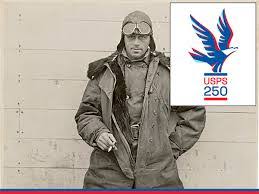 Ουίλιαμ C. Hopson — Πρωτοπόρος Αεροπορικός Ταχυδρόμος σε Διαδρομές Διηπειρωτικές και Περιφερειακές">

Here we reveal the life, flights, and legacy of early airmail pilot William C. Hopson, whose career helped shape long-distance air transportation.
At a glance: Hopson’s record and role in early airmail
| Item | Detail |
|---|---|
| First airmail flight assigned | April 14, 1920 |
| Total flight hours (US Mail) | 741 initial hours; logged 4,043 hours overall |
| Miles flown | 413,034 miles |
| Primary aircraft | De Havilland (DH-4B) biplane |
| Τυπική διαδρομή | Omaha–Chicago leg of the transcontinental service |
Training, incentives, and the airmail pilot profession
Hopson trained at Hempstead, Long Island, and won a pilot incentive contest sponsored by Otto Praeger, then second assistant postmaster general. Early airmail pilots began with base pay that varied by experience and night flying—roughly $2,000–$2,800—and earned per-mile bonuses. Pilots signed on to fly in challenging weather and primitive conditions, accepting risk as part of a job that helped knit the nation together.
Aircraft, cargo, and the realities of early flight
The backbone of early U.S. airmail service was the De Havilland (DH-4B), a British-designed biplane whose front cockpit was converted into a cargo hold for about 500 pounds of mail. Cruising at roughly 95–100 mph, the DH-4B was considered reliable but had notable handling quirks: a tendency to stall and relatively high landing speeds made short-field landings hazardous. Pilots like Hopson praised these aircraft for mountainous work despite their limitations.
Weather, improvisation, and stories from the field
Every mail run could turn into an ordeal. Instruments were basic, weather forecasting limited, and navigation often depended on eyesight and local landmarks. Hopson offered practical wisdom: the best way through bad weather is not to force it, but to “fly where bad weather ain’t”—a lesson in judgement that proved essential for survival and reliability.
Close calls: storms, cornfields, and courage
One striking episode occurred in 1925 near Anita, Iowa, when Hopson encountered a violent storm. An air pocket dropped the plane close to the ground; his landing gear and lower wings harvested about 75 bushels of corn. The aircraft overturned, pinning him beneath wreckage. Wet mail and a damaged ship were the official tally; Hopson used a revolver to signal rescuers. Such adventures reinforced public respect for airmail pilots and their role as dependable connectors of communities.
Transition to contract carriers and final flight
Hopson’s final official US Mail Service flight was in August 1927; by September, contract carriers took over airmail routes. He joined National Air Transport to fly Contract Air Mail Route 17 between New York and Chicago—one of the Allegheny routes with few safe emergency landing sites. Tragically, Hopson died in a storm-related crash near Polk, Pennsylvania, on October 18, 1928.
- Legacy: Hopson’s miles, hours, and daring flights contributed to early navigation, airway establishment, and public confidence in air transport.
- Technological impact: Airmail operations accelerated improvements in communications, navigation aids, and multi-engine aircraft.
- Cultural memory: Stories from pilots like Hopson helped popularize air travel and eventually supported transcontinental and transoceanic services.
Timeline of notable milestones
| Έτος | Εκδήλωση |
|---|---|
| 1920 | Hopson becomes airmail pilot |
| 1925 | Severe storm and cornfield crash near Anita, Iowa |
| 1927 | Contract carriers assume airmail; Hopson joins National Air Transport |
| 1928 | Hopson dies in crash near Polk, Pennsylvania |
For travelers and history enthusiasts, early airmail stories enhance visits to aviation museums, historic airfields, and regional heritage trails—places where the drama of early flight is preserved. GetExperience offers a diverse selection of tours and aviation-related experiences in many of the regions Hopson served, including Omaha, Chicago, and Pennsylvania locations, with options to suit a range of interests and budgets. On GetExperience, you book your experience from verified providers at reasonable prices, allowing you to make informed choices without unnecessary expense or disappointment; Book your Trip GetExperience.com
William C. Hopson’s career highlights the courage and ingenuity that turned mail routes into dependable transport corridors. His story links to larger developments—airways, navigation aids, and the globalization of mail—that laid groundwork for later innovations. Whether you seek museum tours with live guides, luxury adventure travel experiences, eco-friendly wildlife safaris, cruise packages or exclusive yacht charters for events, even interactive online cultural workshops and professional esports training programs, the spirit of early airmail continues to inspire modern travel experiences and adventure activities.
In closing, Hopson’s life offers a straightforward message: early airmail pilots were instrumental in shaping modern air travel through practical skill and resilience. Their work advanced routes, technology, and public trust—paving the way for today’s Travel experiences, Adventure rafting trips for beginners, Beginner esports coaching sessions, Yacht parties, Safari tours, Online virtual tours, Museum tours with live guides, and much more—connecting people and places across the globe.