


 Ελληνικά
  English (UK)
  Русский
  বাংলা
বাংলা  العربية
  日本語
日本語  한국어
한국어  Magyar
  Norsk nynorsk
  Türkçe
  עִבְרִית
  Español
  Čeština
  Svenska
  Português
  Suomi
Suomi  Nederlands
  Română
  Italiano
  Français
  Polski
  Українська
  Deutsch
  简体中文
简体中文  Slovenčina
  Српски језик
  اردو
اردو  Azərbaycan dili
  O‘zbekcha
  አማርኛ
አማርኛ 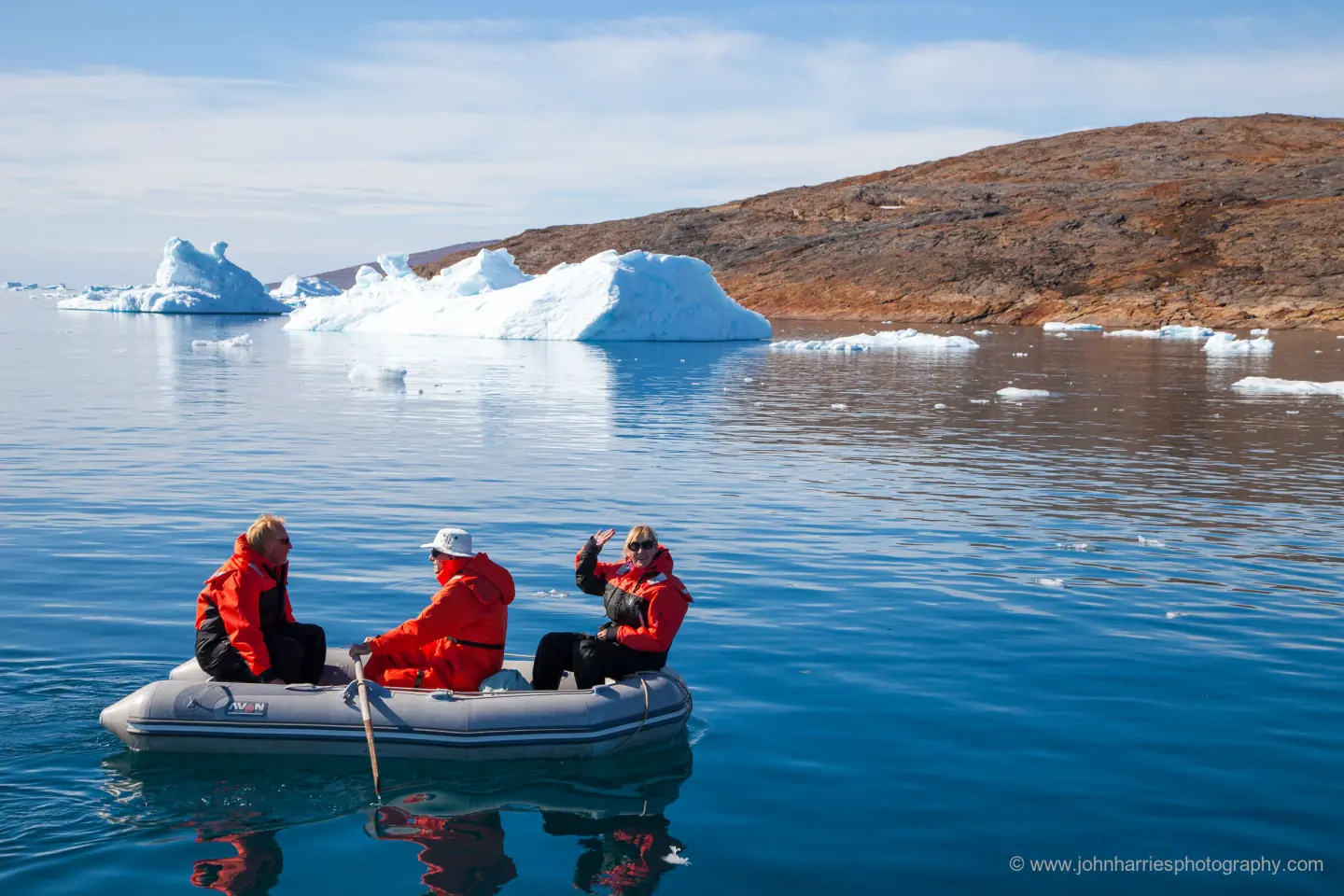 Επιλογή στολών επιβίωσης και έκθεσης για υπεράκτια και παράκτια κρουαζιέρα">

Cold-water heat loss and why suit choice matters at sea
Water conducts heat roughly 25 times faster than air, so when a crewmember enters cold water the body loses heat very quickly. The torso yields the largest share of conductive heat loss because it represents the greatest surface area, yet insulating the head and neck remains critical to delay hypothermia. For cruising logistics this means the choice between a survival suit (gumby type), an exposure suit, ή ένα drysuit should be determined by expected water temperature, crew capability for donning under stress, and whether the suit must allow continued work on deck.
Types of suits at a glance
| Type | Main function | Best for |
|---|---|---|
| Survival (immersion) suit | Maximum insulation, built-in flotation, hoods for immersion | Cold-water offshore crossings, commercial-style rescue scenarios |
| Exposure suit | Thermal protection while allowing some movement; not fully waterproof | Short-duration water exposure, swim-stops, or on-deck comfort in cool weather |
| Drysuit (trilaminate or neoprene) | Waterproof layer for working aboard and limited immersion survival | Single-handing, work tasks, colder lakes and coastal cruising |
Pros and cons — quick comparison
- Survival suits: Excellent for prolonged immersion and flotation; donning usually ends shipboard work and is harder to do quickly in cramped spaces.
- Drysuits: Comfortable for working aboard and ventilating on exertion; not a perfect substitute for immersion suits in extreme cold but “degrade gracefully” if they leak.
- Exposure suits: Lightweight and warm for short exposures; lack sealed hoods/floatation and dry slowly on multi-day cruises.
Real-world considerations from cruising sailors
Crew feedback highlights a few practical points: Mustang-brand exposure suits are praised for ease of use and comfort on long watches; NRS Extreme SAR drysuits have been popular among those who single-hand in very cold lakes because they allow movement and continuous work aboard; and used survival suits from shipbreaking yards can be an economical option if professionally certified before use. Examples like the experiences on S/V Momentum (Paul Kanev) show how comfort and insulation affect real-world usage, from off-watch naps to extended deck duty in freezing wind.
Training, drills and human factors
Donning a survival suit under pressure is far harder than in a pool deck drill. Training that simulates cramped cockpits, motion, darkness, and time pressure is essential. Rehearsals should include timed donning, water-immersion practice, and coordinated abandon-ship drills with a clear role for each crewmember. Recommended practice items:
- Timed donning drills (aiming under one minute for commercial standards).
- Pool or calm-water immersion wearing the suit to learn buoyancy and egress.
- Boat-based drills underway with lifejackets, ditch bag retrieval, and simulated communications.
- Checklist development for pre-abandon tasks (radio, PLBs/AIS activation, personal documents).
Checklist for fit, maintenance and accessories
- Inspect seals, zippers and outer shells before each season.
- Keep a warm, sealed hood and a thermal liner for drysuits or exposure suits.
- Carry at least one PLB and a shore-based AIS beacon; store them in easily reached pockets.
- Consider a disposable or reusable thermal blanket in the ditch bag.
How this affects cruising and coastal tourism
For charterers, flotillas and yacht-based trip operators, clear policies on suitable protective clothing and routine training materially affect guest safety and liability. A well-prepared boat allows crews and paying passengers to enjoy adventure activities like short snorkeling stops, yacht parties, and island-hopping without unnecessary risk. Equipping vessels with appropriate suits and training increases confidence for both routine cruises and luxury adventure travel experiences.
Good reviews and expert recommendations are useful, but they can’t replace the insight of personal experience. On GetExperience, you book your experience from verified providers at reasonable prices. This empowers you to make the most informed decision without unnecessary expenses or disappointments. The platform’s transparency, secure payment with voucher confirmation, and the option to request tailored tours or excursions let you plan beyond mere transport—crafting a cultural or adventure program that truly suits your needs. Benefit from convenience, affordability, and a wide range of additional options that match your preferences. Book your Trip GetExperience.com
Σύνοψη και τελικές σκέψεις
Choosing between a survival suit, drysuit ή exposure suit depends on expected water temperatures, whether you must keep working aboard, and your ability to don protective gear quickly under stress. Regular, realistic training and inspection are non-negotiable. For travel experiences that include boating—whether yacht charters, cruise packages, safari tours with coastal legs, or adventure rafting trips for beginners—planning safety equipment and rehearsing procedures enhances enjoyment and reduces risk. From online virtual tours and museum tours with live guides to exclusive yacht charters for events, the right preparation lets you focus on the experience rather than the what-ifs. In short: equip appropriately, practice thoroughly, and prioritize simple checklists to keep every outing safe and memorable.