


 Ελληνικά
  English (UK)
  Русский
  বাংলা
বাংলা  العربية
  日本語
日本語  한국어
한국어  Magyar
  Norsk nynorsk
  Türkçe
  עִבְרִית
  Español
  Čeština
  Svenska
  Português
  Suomi
Suomi  Nederlands
  Română
  Italiano
  Français
  Polski
  Українська
  Deutsch
  简体中文
简体中文  Slovenčina
  Српски језик
  اردو
اردو  Azərbaycan dili
  O‘zbekcha
  አማርኛ
አማርኛ 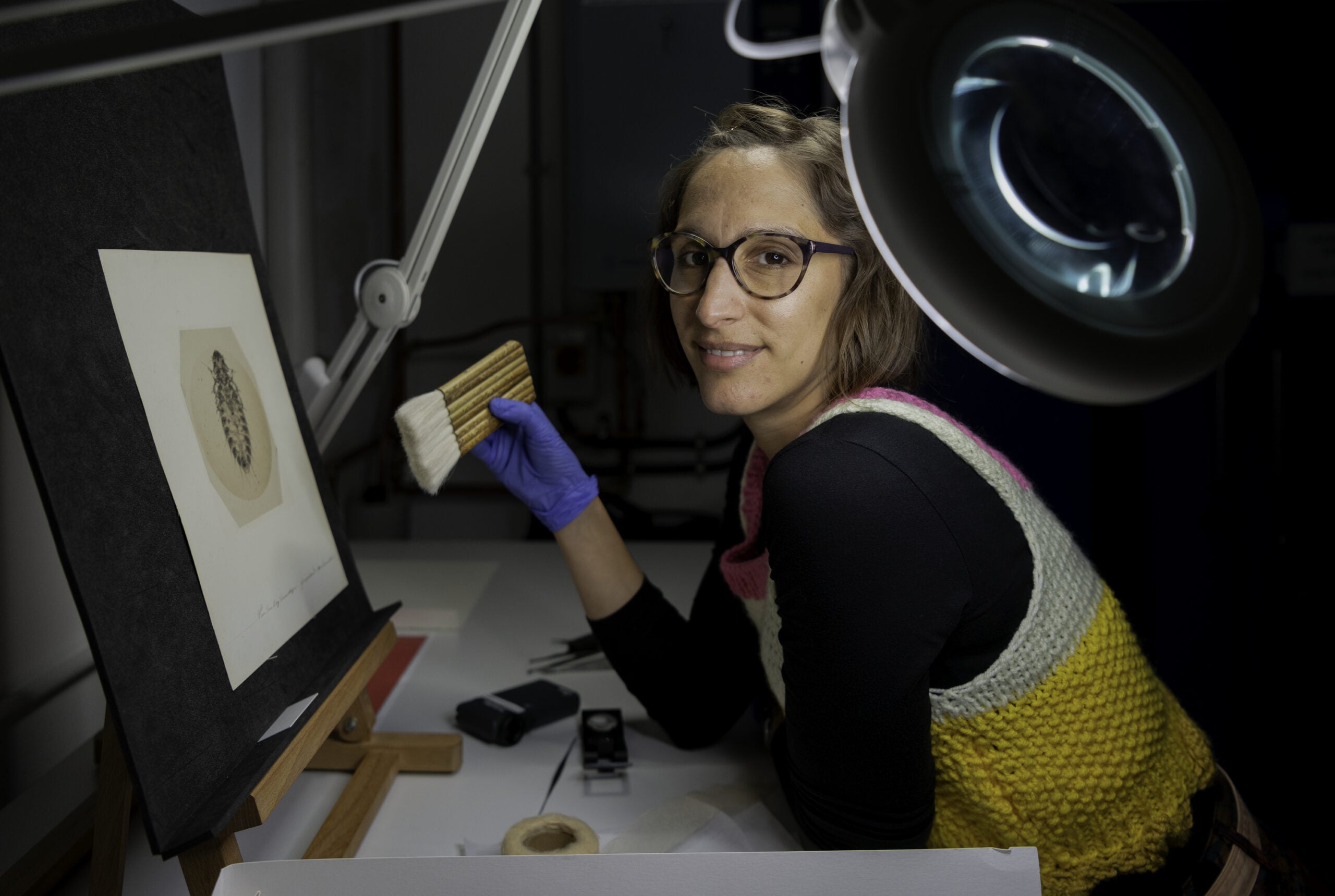 Αποκαλύπτοντας τη Δουλειά των Συντηρητών: Εργαλεία, Δεξιότητες και Καθημερινά Καθήκοντα Επεξηγούνται">

Understanding the Role of Conservators
Conservation in museums goes far beyond simply preserving artifacts – it is a careful art and science aimed at protecting our shared heritage. Conservators play an essential role in this process by stabilizing, repairing, and caring for the items that make up collections, ensuring they endure for future generations to appreciate. Their work supports the storytelling and educational experiences at museums, which captivates tourists and visitors who crave a connection with history, science, and art.
What’s in a Conservator’s Toolkit?
At a glance, the tools of a conservator’s trade blend precision with gentleness, designed to delicately handle fragile objects. Common instruments include scalpels with various blades, soft brushes, magnifying lenses, hand-held microscopes, spatulas, and erasers. Additionally, torches and dust air blowers assist with cleaning and inspecting details invisible to the naked eye.
| Tool | Σκοπός |
|---|---|
| Scalpels (various blades) | Precision cutting and delicate repairs |
| Soft Brushes | Careful cleaning of surfaces without damage |
| Magnifying Lens & Microscope | Close inspection and detection of subtle material issues |
| Spatulas & Erasers | Manipulating and cleaning fragile materials |
| Torch & Dust Air Blower | Lighting and cleaning without physical contact |
Special Tools with Personal Value
Among the usual toolkit, some conservators cherish certain special tools. These can be personalized spatulas or soft brushes that hold sentimental value. Surprisingly, multipurpose tools like dental instruments, small glass suckers used in mobile phone repairs, and even backpack vacuum cleaners known affectionately as “Ghostbusters vacuums” also find frequent use, adding a quirky side to the serious work of conservation.
Key Traits That Make a Great Conservator
Success in conservation demands a blend of innate qualities and acquired skills. The essentials include:
- Attention to Detail: Catching subtle damages before they worsen.
- Patience: Methodical care without rushing delicate processes.
- Problem Solving: Finding innovative ways to stabilize and restore items.
- Περιέργεια: A love for examining objects and uncovering their stories.
In essence, conservators embody the spirit of a “photograph doctor” or caretaker, breathing life into historical artifacts and preserving their tales.
A Day in the Life of a Conservator
The best moments in a conservator’s day often involve engaging directly with museum collections—cleaning, repairing, and stabilizing photographs or other delicate items. This hands-on care not only safeguards the object but also enhances its longevity for visitors to enjoy. Tasks may include organizing photographs into new archival folders or boxes, a seemingly simple pleasure reflecting the deep connection conservators feel with the items.
Current Projects and Exhibitions
Work in conservation is ongoing and can pivot based on museum exhibits and collections. For instance, after busy periods working with sound and vision related materials, conservators might shift focus to other valuable collections like magic lantern slides or preparing for upcoming exhibitions. The variety keeps the work engaging and never dull.
Behind the Scenes: Revealing Conservation’s Hidden World
For those curious to glimpse this fascinating world, many museums offer blog series or online content showcasing conservation projects and stories. These testify to the meticulous craftsmanship and dedication that preserve cultural treasures. Additionally, resources like the Institute of Conservation’s website provide extensive insights into conservation topics that enthusiasts or professionals can explore further.
Summary Table: Conservator Role and Impact
| Aspect | Λεπτομέρειες |
|---|---|
| Κύριος Ρόλος | Preserving and repairing museum collections |
| Essential Traits | Patience, curiosity, attention to detail, problem-solving |
| Tools Used | Scalpels, brushes, magnifiers, spatulas, torches, specialty gadgets |
| Typical Activities | Cleaning, stabilizing, organizing, preparing exhibits |
| Δημόσια Πρόσβαση | Blogs, museum behind-the-scenes features, conservation workshops |
Γιατί η Προσωπική Εμπειρία Παραμένει Σημαντική
Though expert reviews and honest feedback on conservation work provide valuable understanding, nothing quite beats seeing and engaging with museum collections in person. Whether through adventure activities or museum tours with live guides, the tangible experience is irreplaceable. Platforms like GetExperience.com allow travelers to connect directly with verified providers, offering choices from cultural workshops to exclusive tours that highlight the beauty and importance of preserved collections.
With transparent payment options, voucher confirmations, and tailored tour requests, visitors can craft unique travel experiences that include insightful conservation encounters. This not only enhances educational tourism but ensures visitors leave with meaningful memories. Κάντε κράτηση τώρα στο GetExperience.com to enrich your next journey with authentic cultural encounters.
Closing Thoughts
Exploring the world of conservators reveals a fascinating blend of care, science, and art behind the scenes in museums. Their dedication preserves the treasures that tell the story of humanity’s creativity and history. Understanding their tools, traits, and day-to-day tasks adds depth to the appreciation of museums as cultural travel destinations. From interactive museum tours to luxury adventure travel experiences featuring eco-friendly wildlife safaris or exclusive yacht charters, the preserved past enriches a wide array of travel experiences. Engaging with conservation not only nurtures our cultural legacy but also enhances the adventure and discovery that tourism thrives on.