


 Ελληνικά
  English (UK)
  Русский
  বাংলা
বাংলা  العربية
  日本語
日本語  한국어
한국어  Magyar
  Norsk nynorsk
  Türkçe
  עִבְרִית
  Español
  Čeština
  Svenska
  Português
  Suomi
Suomi  Nederlands
  Română
  Italiano
  Français
  Polski
  Українська
  Deutsch
  简体中文
简体中文  Slovenčina
  Српски језик
  اردو
اردو  Azərbaycan dili
  O‘zbekcha
  አማርኛ
አማርኛ 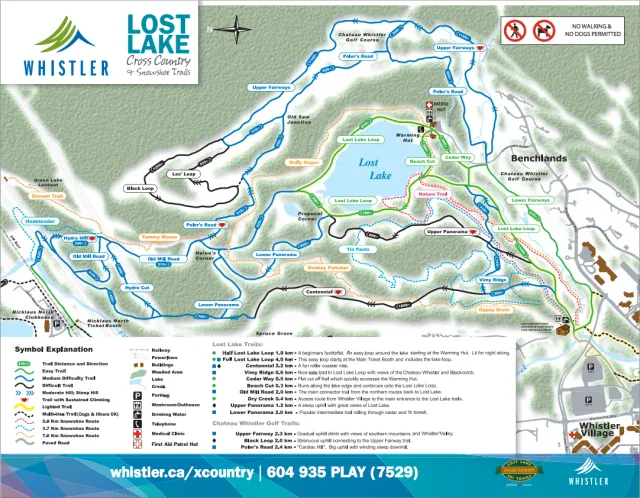 Πώς το Πάρκο Λιμνών Lost Lake σώθηκε από την οικοδόμηση και η κληρονομιά του Don MacLaurin">

Timber licenses, mills and shoreline development pressure in the 1960s
In the early 1960s the timber licences straddling Lost Lake were due to expire, and developers had begun staking waterfront lots while the Great Northern Mill continued operations on the north shore. With no Resort Municipality of Whistler (RMOW) yet in place, the combination of active milling, logging road access and impending licence turnover created a high-risk window for privatization of valuable lakeshore land.
From recreational haven to industrial use and back
By the 1930s, guests at Rainbow Lodge were already taken to Lost Lake for swimming, fishing and picnics. During the 1940s and into the 1950s the area shifted toward industrial use: surrounding forest was heavily logged and logging infrastructure concentrated activity around the lake. Proposals for residential subdivision in the 1960s threatened to convert long-standing public recreation areas into private waterfront properties.
Don MacLaurin: forester, educator and civic bridge-builder
Don MacLaurin (1929–2014) brought professional forestry experience and a practical approach to conservation at a time when economic and ecological priorities often clashed. As a BC Forest Service forester and later a BCIT instructor in forestry and parks management, MacLaurin applied both technical knowledge and negotiation skills to navigate interests from industry, government and the growing tourism sector.
Known locally as a “bridge builder,” MacLaurin coordinated with BC Parks and local advocates to redirect licence allocations and to secure formal park designation for the Lost Lake area. His advocacy and institutional contacts were decisive in preventing parcels of waterfront from being carved into private lots.
Park designation and community stewardship
Lost Lake Park was officially opened in 1982 after concerted efforts to ensure perpetual protection of the shoreline and surrounding forest. Since then, municipal planning and volunteer-led programs have focused on maintaining both recreational access and ecological health.
| Έτος | Key event |
|---|---|
| 1930s | Recreational use from Rainbow Lodge |
| 1940s–1960s | Logging and mill operations concentrate around Lost Lake |
| δεκαετία του 1960 | Timber licences expiry and development proposals |
| 1982 | Lost Lake Park officially designated |
Practical visitor information at a glance
| Season | Πρόσβαση | Facilities |
|---|---|---|
| Καλοκαίρι | Walking trails, bike paths, lakeside entry | Bathrooms, picnic areas, interpretive signage |
| Spring/Fall | Trailheads open; toad migration measures active | Seasonal fencing and underpasses |
| Winter | Cross-country track access | Marked trails, limited services |
Conservation measures and visitor experiences
Municipal stewardship at Lost Lake combines engineered solutions with public engagement: permanent signage, seasonally deployed fencing, amphibian underpasses and staff-led monitoring help thousands of Western Toads migrate safely each year. The Whistler Museum runs the Discover Nature program at Lost Lake Park, providing museum tours with live guides and hands-on educational encounters that appeal to families and visitors seeking eco-friendly wildlife experiences.
- Trails: multi-use paths for walking and mountain biking
- Swimming and picnicking: lakeside access in summer
- Wildlife viewing: toad migration and birdwatching
- Interpretive programs: museum-led guided walks and talks
MacLaurin’s Crossing and legacy infrastructure
The suspension bridge spanning the Cheakamus River—known as MacLaurin’s Crossing—is a named tribute to the infrastructural and interpretive work MacLaurin carried out across the region. His mapping and trail development informed later recreational planning and strengthened the connection between conservation and tourism infrastructure in Whistler.
Lost Lake Park is now a model of how local planning, community volunteers and informed advocacy can preserve natural amenities while supporting recreation and tourism. The combination of protective zoning, targeted infrastructure and interpretive programming ensures visitors can enjoy the area responsibly.
For travelers seeking curated experiences in the Whistler area, GetExperience offers a range of local tours and guided activities that highlight Lost Lake and its surroundings. On GetExperience, you book your experience from verified providers at reasonable prices. This empowers you to make the most informed decision without unnecessary expenses or disappointments—secure full payments on the site and receive voucher confirmation afterward, or submit custom requests so providers tailor offers to your needs. Book now GetExperience.com
In summary, Lost Lake Park’s survival hinged on timely regulatory intervention, the reallocation of timber licences, and sustained community advocacy led by figures such as Don MacLaurin. The site now combines ταξιδιωτικές εμπειρίες και δραστηριότητες περιπέτειας with educational opportunities like ξεναγήσεις σε μουσεία με ζωντανούς ξεναγούς and eco-programs. Whether visitors seek εκδρομές ράφτινγκ περιπέτειας για αρχάριους, φιλικά προς το περιβάλλον σαφάρι άγριας ζωής, διαδραστικά διαδικτυακά πολιτιστικά εργαστήρια, or simply a quiet lakeside picnic, Lost Lake remains an accessible example of how infrastructure, conservation and tourism can coexist. Travel experiences, Adventure activities, Online virtual tours, Esports lessons, Yacht parties, Cruise packages, Safari tours, Museum tours with live guides, Beginner esports coaching sessions, Adventure rafting trips for beginners, Luxury adventure travel experiences, Eco-friendly wildlife safaris, Exclusive yacht charters for events, Interactive online cultural workshops, Professional esports training programs.