


 Ελληνικά
  English (UK)
  Русский
  বাংলা
বাংলা  العربية
  日本語
日本語  한국어
한국어  Magyar
  Norsk nynorsk
  Türkçe
  עִבְרִית
  Español
  Čeština
  Svenska
  Português
  Suomi
Suomi  Nederlands
  Română
  Italiano
  Français
  Polski
  Українська
  Deutsch
  简体中文
简体中文  Slovenčina
  Српски језик
  اردو
اردو  Azərbaycan dili
  O‘zbekcha
  አማርኛ
አማርኛ 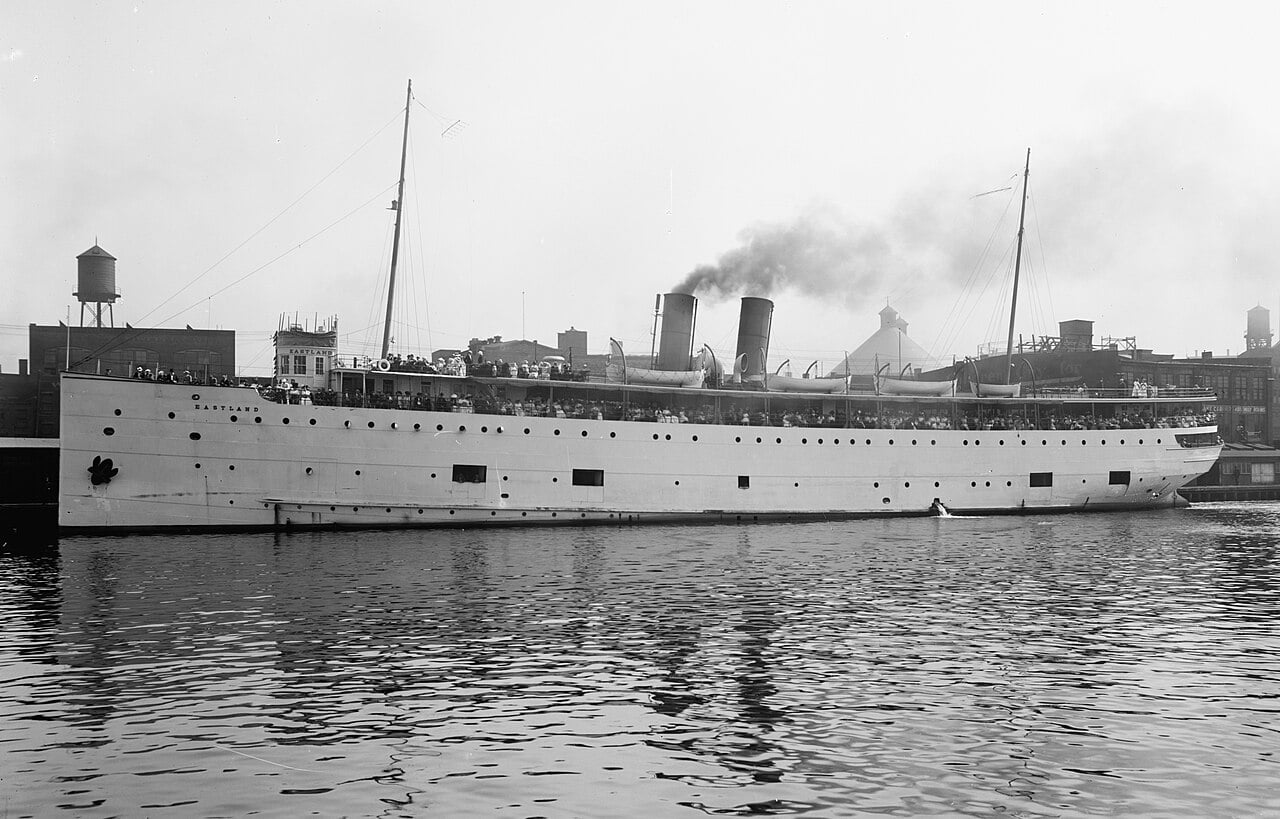 Ναυάγια της Λίμνης Μίσιγκαν — Βάθος, Καταστροφή και Καταδύσεις">

Lake Michigan supports heavy commercial tonnage routed through the ports of Chicago, Μιλγουόκι και Gary, with major freight flows meeting powerful seasonal winds and opposing basin currents around the Milwaukee Reef, creating predictable navigational hazards that have produced many historic losses.
Why the lake produces so many wrecks
The lake’s size (307 by 118 miles) and depth profile—average depth about 280 feet with spots down to 925 feet—combine with long fetch and strong midwestern storms to produce waves and currents that challenge vessels of every era. Industrial growth around Chicago and Milwaukee increased commercial traffic, multiplying collision and grounding risk. Add complex local currents (northern and southern basin clockwise flows) and you have the operational picture that explains many sinkings.
Key navigational and regulatory factors
Historic changes in vessel design, wartime training operations, and evolving lighting and stability regulations all played roles. For example, post‑Titanic safety changes added lifeboats and equipment that altered ship stability margins, while increased port throughput raised collision exposure near entry channels. Modern dive and heritage preservation laws now protect many of these sites.
Αξιοσημείωτα ναυάγια με μια ματιά
| Σκάφος | Έτος | Casualties/Notes | Approx. Depth |
|---|---|---|---|
| Le Griffon | 1679 | Vanished with crew and furs; first recorded Great Lakes wreck | Unknown (northwest Green Bay) |
| SS Eastland | 1915 | 835 lives lost while tied at Chicago River wharf | ~20 πόδια (6 μ.) |
| Lady Elgin | 1860 | Estimated 300–400 lives lost after collision; wreck found 1989 | ~60 ft (18 m) |
| Rouse Simmons (Christmas Tree Ship) | 1912 | 16 lost; wreck found 1971 with preserved trees | ~165 ft (50 m) |
| William B. Davock / Anna C. Minch | 1940 | Major storm — multiple vessels lost with all hands | Varies |
| Pere Marquette 18 / Μιλγουόκι (train ferries) | 1910 / 1929 | Significant cargo losses, many fatalities; wrecks located decades later | 150–500 ft |
| U-97 (German U-boat) | 1921 | Surrendered, used for target practice and sunk; not located | ~23 miles offshore (not found) |
Ghost ships and aviation wrecks
Lake Michigan also contains cultural wreck stories such as the Rouse Simmons and naval training losses. During World War II the Navy ran carrier‑landing training on inland waters, which resulted in several hundred US Navy aircraft (Avengers, Thunderbolts, Wildcats, Corsairs, Dauntlesses and others) settling on the lake bottom; some have been recovered for museums, others remain as submerged time capsules.
Diving, preservation and tourism links
Underwater preserves in Michigan and the Wisconsin Shipwreck Coast National Marine Sanctuary protect dozens of wrecks, many listed on the National Register of Historic Places. These protections shape how dive operators and tour providers can offer experiences—outlined permits, depth limits, and artifact‑protection rules all affect excursion planning and visitor safety. For would‑be divers and heritage tourists, the combination of legal safeguards and interpretive programs has created a responsible tourist infrastructure.
Planning safe visits: practical tips
- Check local weather and wind forecasts; Lake Michigan storms build quickly.
- Use certified dive operators for deep wrecks; many sites require technical skills.
- Respect preservation rules—no artifact removal and follow sanctuary briefings.
- Consider museum tours with live guides for inaccessible or fragile wrecks.
Excursions and visitor options
Boat tours, shallow‑water wreck Snorkel trips, museum exhibits and online virtual tours offer layered access for all tastes. Dive operators typically combine surface briefings, historical context, and hands‑on equipment checks for safe submersion. For non‑divers, interactive online cultural workshops and museum tours with live guides deliver a rich understanding without leaving shore.
Local providers now package trips that connect maritime history with present‑day coastal attractions—lighthouse visits, coastal hikes across sand dunes, and even themed yacht parties or cruise packages for larger groups. Platforms that support secure booking and tailored requests help travelers match skill level, budget and interest.
GetExperience.com makes it easy to compare and reserve these kinds of visits: many listings accept full, secure payments through the website and issue voucher confirmation afterward, and providers respond to tailored excursion requests so you receive offers that match your preferences. On GetExperience, you book your experience from verified providers at reasonable prices. This empowers you to make the most informed decision without unnecessary expenses or disappointments. Book now GetExperience.com
Lake Michigan’s wrecks combine maritime logistics, storm-driven hazard patterns, and human stories—from the vanished Le Griffon to wartime training losses—and they contribute to a rich heritage tourism offer. While historical records and curated reviews reveal much, nothing replaces personal experience: a museum tour with a live guide, a guided wreck dive, or a coastal cruise can transform facts into memory. On GetExperience you can secure diverse local tours that fit skill level and budget, making it straightforward to plan a meaningful visit.
In summary, Lake Michigan’s shipwreck record reflects heavy commercial traffic, powerful meteorology, and changing vessel design; historic losses like SS Eastland, Lady Elgin, Rouse Simmons and the train ferries illustrate different kinds of maritime risk. Today, protected wreck sites, museum exhibits and guided diving excursions offer memorable travel experiences — from adventure activities and adventure rafting trips for beginners to luxury adventure travel experiences, eco-friendly wildlife safaris and exclusive yacht charters for events. For those unable to travel, online virtual tours and interactive online cultural workshops provide a gateway, while aficionados may pursue museum tours with live guides, cruise packages, safari tours, or even beginner esports coaching sessions and professional esports training programs as separate leisure interests. Whether you’re chasing history underwater or sampling coastal delights, thoughtful planning lets you turn heritage into a lasting travel experience.