


 Ελληνικά
  English (UK)
  Русский
  বাংলা
বাংলা  العربية
  日本語
日本語  한국어
한국어  Magyar
  Norsk nynorsk
  Türkçe
  עִבְרִית
  Español
  Čeština
  Svenska
  Português
  Suomi
Suomi  Nederlands
  Română
  Italiano
  Français
  Polski
  Українська
  Deutsch
  简体中文
简体中文  Slovenčina
  Српски језик
  اردو
اردو  Azərbaycan dili
  O‘zbekcha
  አማርኛ
አማርኛ 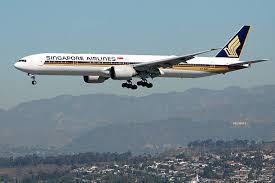 How Singapore Airlines is Contributing Expertise to Air India’s Ambitious Transformation">

Strengthening Air India’s Transformation Journey
Singapore Airlines has stepped in as a key minority shareholder to offer its expertise and support toward Air India’s ongoing transformation efforts. This collaboration arrives at a pivotal moment for Air India as it navigates operational hurdles and strives to regain stability in a dynamic aviation environment.
Financial Challenges and Strategic Support
Recently, Air India has reportedly sought over ₹10,000 crore in funding to fuel its turnaround, signaling both the scale of its ambition and the financial realities it must address. This capital call involves contributions from Tata Sons, the majority stakeholder, along with Singapore Airlines. Having invested a combined ₹9,558 crore in the fiscal year 2024-25, these stakeholders continue to back Air India’s bold recovery plans.
Despite the financial stretch, Singapore Airlines emphasizes its role as more than just a financial partner. By sharing operational insights and industry expertise, it aims to bolster Air India’s transformation programme, addressing the multifaceted challenges that have weighed on the airline recently.
Operational Headwinds Impacting Performance
Air India has had its share of difficulties, not least the tragic crash of its Boeing 787-8 Dreamliner en route to London Gatwick that claimed 260 lives. This incident led to a temporary reduction in services operated by its Boeing 787 and 777 fleets, understandably affecting operational momentum.
Another major challenge has been the closure of Pakistan’s airspace, which has forced Air India to take lengthier routes on European flights. This detour contributes to significantly higher operational costs, with losses estimated at around ₹4,000 crore attributable to this restriction alone.
Global Uncertainties and Market Demand
According to Air India’s CEO and Managing Director, Campbell Wilson, the travel industry faces numerous uncertainties tied to global trade policies, stability, and other external factors. While these conditions present challenges to demand, they are not insurmountable obstacles. Air India remains committed to its transformation objectives, adapting strategically to the evolving environment.
Recent Structural Changes in Indian Aviation Ownership
In a major development, Vistara—another joint venture between Tata Sons and Singapore Airlines—merged with Air India in November 2024. This consolidation led to Singapore Airlines acquiring a 25.1% stake in Air India, further solidifying its vested interest in the airline’s future success.
Since January 2022, Tata Group has been spearheading the management of Air India, introducing an ambitious five-year plan aimed at reviving the airline’s fortunes and positioning it competitively within the global aviation landscape.
Summary Table of Recent Key Developments
| Aspect | Λεπτομέρειες |
|---|---|
| Ενδιαφερόμενοι | Tata Sons (majority), Singapore Airlines (25.1%) |
| Recent Investment | ₹9,558 crore jointly by Tata Sons and Singapore Airlines in 2024-25 |
| Major Challenges | Aircraft accident, Pakistan airspace closure, rising operational costs |
| Επιχειρησιακός Αντίκτυπος | Temporary suspension of Boeing 787 and 777 flights |
| Strategic Moves | Merger with Vistara, transformation programme under Tata Group leadership |
Implications for Tourism and Travel
Airline health directly affects tourism flows and travel experience quality. With Air India’s strategic recovery backed by Singapore Airlines’ expertise, future travellers might enjoy improved connectivity and services from India to global destinations. This support helps safeguard the reliability of air access, essential for steady tourism growth and related economic benefits.
Moreover, overcoming challenges such as airspace restrictions ensures more efficient routes, which is a boon not only for airlines’ cost structures but also for environmentally conscious travellers seeking sustainable travel options.
Why Expertise and Partnership Matter
The symbiotic relationship where Singapore Airlines lends its operational and managerial knowledge to Air India is a prime example of collaborative success in the aviation sector. Such partnerships can catalyse robust transformation within airlines, fostering resilience amidst unpredictable global trends.
Final Thoughts on the Journey Ahead
While reports and reviews give a helpful snapshot of Air India’s transformation, nothing compares to experiencing the progress firsthand. Platforms like GetExperience.com empower travellers with verified providers and competitive prices, making it easier to explore exciting destinations with confidence. Whether it’s booking a cultural tour, a safari, or even an interactive online workshop, the options are tailored to fit any preference or budget, adding value well beyond the flight itself. Book now on GetExperience.com for an enriching travel experience.
Συμπέρασμα
The collaboration between Singapore Airlines and Air India showcases a strategic blend of expertise and investment aimed at revitalizing a prominent player in the Indian aviation market. Despite significant challenges like airspace limitations and tragic incidents, the focused transformation plan supported by trusted partners promises enhanced service, operational resilience, and improved connectivity. For travellers and tourism enthusiasts alike, this means better travel experiences, more robust air travel infrastructure, and fresh opportunities for adventure, cultural discovery, and luxury. As the aviation sector evolves, so do the possibilities for diverse travel experiences—ranging from luxury adventure travel to eco-friendly wildlife safaris and interactive online cultural workshops—enriching the global tapestry of tourism.