


 Ελληνικά
  English (UK)
  Русский
  বাংলা
বাংলা  العربية
  日本語
日本語  한국어
한국어  Magyar
  Norsk nynorsk
  Türkçe
  עִבְרִית
  Español
  Čeština
  Svenska
  Português
  Suomi
Suomi  Nederlands
  Română
  Italiano
  Français
  Polski
  Українська
  Deutsch
  简体中文
简体中文  Slovenčina
  Српски језик
  اردو
اردو  Azərbaycan dili
  O‘zbekcha
  አማርኛ
አማርኛ 

Start by checking the live mid-market rate and the total cost before converting currency. In todays markets, quotes from offices, banks, or atms carry a margin and fees that reduce what you receive. If you’re sure you understand the basis, compare the numbers and adjust your plan for your everyday needs with confidence.
The two numbers matter: the rate and the fee. The rate moves when markets open in different κράτη και χώρες, with cross-border flows shaping the quote. If someone asks for a fast answer, remember to look beyond a single number and compare the total cost including all fees.
In practice, avoid tourist kiosks for exotic currencies; use your home bank or a reputable office. For everyday cash, use atms from major banks rather than street vendors to limit fees; withdraw only what you need. If you must convert at an airport or hotel, expect a higher markup and plan for it.
How you monitor from day to day: check the open quotes on trusted sites, compare across providers, and watch the fees and βάση of each offer. Keep track with a simple log that records date, rate, amount, and destination currency to ensure accurate conversions and avoid surprises.
Open markets today mean you can plan conversions around your needs. If someone travels with a plan, they avoid overpaying and preserve value. For emergencies, keep a small buffer and use the same checks: open markets, monitor rates, and compare αμοιβές before confirming a conversion.
Practical Framework for Small Businesses
Open dedicated multi-currency accounts and set a clear policy to lock in favorable exchange rates, forming a solid basis for cash flow.
Core steps you can implement now:
-
Requirements and exposure: List the currencies you invoice in, the currencies you pay suppliers in, and the typical monthly volumes. Define a home base for accounting and invoicing, and set a target for how often you revalue exposures (monthly works for most) to align with client value and costs.
-
Accounts and policy: Create separate accounts for each key currency or a single multi-currency account, and document a tailored policy that assigns responsibility for exchange decisions, rate checks, and approvals. Use a fixed basis for reporting to keep numbers comparable across your team.
-
Compare options on the globe: Gather quotes from banks and fintechs, including providers used by others, focusing on fees, rate transparent, transfer speed, and service quality. Use a structured matrix to identify the best fit for your needs, and weigh client value and operational risk.
-
Converting strategy: Decide when to convert foreign receipts to your home currency. Use what yields the most value for your business: consider converting on favorable moves, using forward hedges if you handle longer exposure, and avoiding conversion when rates are unattractive. Keep your approach aligned with your values and avoid over-hedging.
-
Controls and basics: Enforce controls, such as dual approvals for large transfers, and keep clear records of exchange rates used. Maintain a transparent fee schedule and publish it for internal review to ensure accountability. Keep client values in mind when designing transfers.
-
Monitoring and adjustment: Track every transfer, capture outcomes, and compare actual costs to the forecast. Schedule longer-term reviews quarterly to refine thresholds, update providers, and tune how you present results to clients. Use relative savings to demonstrate value to clients and leaders.
Understand Currency Pairs and How Quotes Are Formed
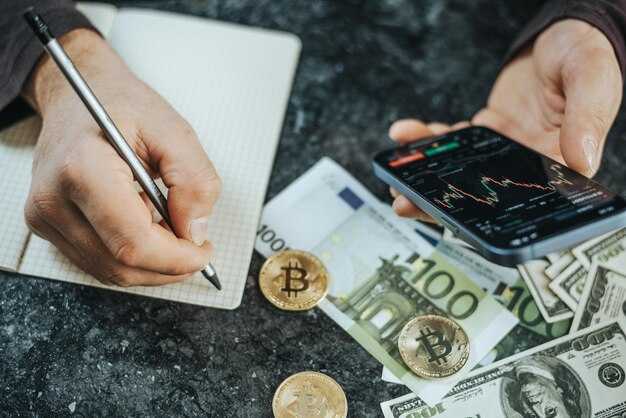
Identify the base and the quote in every pair before checking the price. In EUR/USD, EUR is the base and USD is the quote; the quoted figure tells you how many units of the quote you need to buy one unit of the base. Based on that, focus on the price you actually pay plus any transaction fees. Attention: these basics help you compare offers from banks, exchanges, and online services here and abroad.
Quotes show two prices: bid and ask. The bid is what banks are willing to pay for the base currency; the ask is what you must pay to buy it. The spread–the difference–reflects liquidity and fees, and it varies by venue, time, and currency pair, so you should check it for everyday exchanges.
Example: EUR/USD 1.0850/1.0852 means bid 1.0850, ask 1.0852. If you convert 1,000 EUR at the ask, you spend 1,085.20 USD; if you convert 1,000 USD to EUR at the bid, you receive about 921.66 EUR. You can use a calculator to convert amounts and see the real cost, including any hidden fees from a given provider.
To save money, build a routine: open an account with a local bank or reputable service; compare quotes, and use a calculator to estimate the total cost of a transaction here or abroad. Avoid airport kiosks and visiting tourist desks; they typically add a higher spread. Theres no need to pay extra when you plan ahead. For everyday spending, a well-linked card often offers better rates than cash. Moneygram can help for sending money abroad; check its rate and fees and compare to a bank transfer. If you shop around, youll find that saving adds up over time. Wait for favorable moves in the quote if you can, but act when you must.
Spot vs Forward Rates: When to Lock in a Rate
Lock in a forward rate for a known payment due in 1–12 months if volatility would hurt your budget or cash flow.
Spot is the rate you exchange today for immediate settlement; a forward rate is agreed now for a future date. Tenors commonly offered include 1, 3, 6, and 12 months. The forward rate moves with the interest rate differential between the two currencies and market expectations; the latest quotes are published by banks and offices and are presented in a transparent way. On the settlement date, the currencies are exchanged and your cash flow is set, not left to surprise moves.
When to lock depends on your needs and risk tolerance. Whether you expect a move that would raise costs for a forthcoming payment, or you want to protect a course of investments, a forward can be tailored to fit. If you have recurring needs, you can set thresholds and build a program that covers the most likely scenarios; for liquidity concerns, keep some exposure in spot and hedge the rest with forwards as necessary.
Costs come from forward points, which reflect the interest differential between currencies. Longer tenors generally carry higher points and tighter liquidity can widen spreads for less traded pairs. In practice, the certainty a forward provides often outweighs the cost for things like supplier payments, payroll, or major purchases in airports or other capital projects. Use transparent pricing to compare offers from banks and insured brokers, and check your credit terms before you accept anything.
How to implement quickly and safely: define the amount and due date, then check the latest rates and request quotes from trusted banks, offices, and specialized brokers. Compare the total cost against your risk appetite and operational constraints; accept a forward that aligns with your need, and monitor the exposure so you can roll or adjust as markets move. If you manage a diversified investment portfolio, coordinate forwards across currencies to smooth volatility and protect insured returns while keeping liquidity intact.
Practical tip for multi-currency operations: map your obligations and receipts, involve credit and procurement teams early, and choose providers with transparent terms and robust settlement processes. Use checking to confirm quote details before you proceed, and keep a tailored hedging plan for the currencies that matter most to your portfolios and investments. By aligning timing, tenor, and counterparty risk, you can lock in rates when you need them and avoid unnecessary exposure in your financial plan.
Fees, Margins, and Hidden Costs to Watch in Currency Exchanges
Choose the option with the lowest all-in cost before you exchange anything. For the basics, compare the quoted mid-market rate, the conversion margin, and all visible and hidden fees across providers.
Margins vary by channel. Airports and offices may add higher marks, while online platforms, such as wise, publish transparent fees. For example, a bank may show 2-4% above the mid-market rate plus a small fixed withdrawal or deposit fee, while an online service may charge a single percentage with a separate flat fee for large transfers. Always check the latest terms before you commit.
Hidden costs to watch: conversion margins, card usage fees, ATM withdrawals, and dynamic currency conversion at airports or offices. Some providers charge a separate deposit fee or a maintenance fee on dormant accounts. Always ask for a full breakdown in the latest quote.
Avoid on-the-spot conversions at airports; shifts in margins occur quickly, and you may pay more than the market rate. If you can plan ahead, convert when your needs align with a favorable rate in finance markets or events that affect currency flows. Government actions can also shift the numbers you see on a screen.
For ruble and other currencies, check both sides: the deposit requirements, how accounts handle currency pairs, and any cross-border fees. Many people find online platforms more transparent than airports or offices, but verify the conversion and any service charges before you commit.
Whether you exchange small or large sums, ask for a full breakdown of the costs, and consider spreads that are tied to the amount converted. If a rate looks good but the fee is large, the ends may not align with your needs. Compare at least three sources and read the latest education resources to understand the impact on your finance and opportunities.
Keep clear accounts and document every transaction, especially if you use loans or lines of credit to fund exchanges. Reconcile deposits with the transaction date to avoid mismatches in timing and fee charges. This attention helps you control the total cost and adjust your strategy as rates shift and your firm builds a reliable banking relationship.
Back-office managment teams adjust fee schedules in response to shifts, so choose vendors with clear governance and stable liquidity to reduce hidden costs.
Shifts in policy or regulation can alter margins quickly. Firms that offer a transparent fee schedule and straightforward policy on refunds tend to manage changes with less friction. Look for providers that publish the latest updates on offices and online dashboards so you can monitor changes in real time.
Education helps you avoid common pitfalls. Read the terms, ask questions, and request examples of past conversion trades to see the effective rate you paid. This attention can reveal hidden costs that banks or offices rarely disclose at first glance.
Δεν υπάρχει μια ενιαία απάντηση για όλους, υπάρχει πάντα ένας παράγοντας που πρέπει να λαμβάνεται υπόψη σε κάθε σενάριο ανταλλαγής. Εφαρμόστε αυτούς τους ελέγχους για να ξέρετε πότε να επιλέξετε έναν πάροχο και να διαχειριστείτε τη μετατροπή μεταξύ λογαριασμών, είτε πραγματοποιείτε ανταλλαγή σε αεροδρόμια, στο σπίτι ή στο διαδίκτυο.
Πώς να Συγκρίνετε Τιμές: Εργαλεία και Τακτικές για Επιχειρήσεις
Ξεκινήστε με μια συγκεκριμένη ενέργεια: εκτελέστε παράλληλες προσφορές για μια αντιπροσωπευτική μεταφορά, για παράδειγμα πληρωμές μισθοδοσίας 1.000 ρουβλίων, σε συμμετέχοντες παρόχους όπως η worldremit και η moneygram. Υπολογίστε το συνολικό κόστος προσθέτοντας τις χρεώσεις στο περιθώριο συναλλάγματος και, στη συνέχεια, συγκρίνετε το ποσό που λαμβάνει ο παραλήπτης. Χρησιμοποιήστε ακριβείς προσφορές από κάθε υπηρεσία για να αποφύγετε εκπλήξεις.
Δημιουργήστε ένα απλό συγκριτικό φύλλο: αναγράψτε τον πάροχο, το βασικό τέλος, το ποσοστιαίο τέλος και το περιθώριο συναλλάγματος. Σημειώστε τις επιλογές παράδοσης (τραπεζική μεταφορά, παραλαβή μετρητών ή πληρωμές σε κινητά πορτοφόλια ή ΑΤΜ), την ταχύτητα και τα χαρακτηριστικά ασφαλείας. Αυτό σας βοηθά να απαντήσετε σε ό,τι έχει σημασία για την επιχείρησή σας και για τους ανθρώπους που λαμβάνουν χρήματα.
Όταν εξετάζετε τη μετατροπή νομισμάτων, ελέγξτε εάν η προσφορά δείχνει μια ζωντανή συναλλαγματική ισοτιμία ή μια σταθερή ισοτιμία με έκπτωση. Το περιθώριο που κρύβεται στην ισοτιμία συχνά οδηγεί σε υψηλότερο κόστος από τα δηλωμένα τέλη. Διευκρινίστε το συνολικό κόστος και επαληθεύστε τυχόν πρόσθετες χρεώσεις, όπως χρεώσεις από την πλευρά του παραλήπτη ή ενδιάμεσες χρεώσεις.
Σχέδιο για πρακτικές πληρωμές: ορισμένες μεταφορές υποστηρίζουν αναλήψεις σε συνεργαζόμενα ΑΤΜ ή παραλαβές μετρητών κοντά σε αεροδρόμια, ξενοδοχεία ή διευθύνσεις κατοικιών. Ευθυγραμμίστε τη μέθοδο με τις προτιμήσεις του παραλήπτη και τις απαιτήσεις πολιτικής, γεγονός που βελτιώνει την ασφάλεια και μειώνει τις καθυστερήσεις για συχνές μεταφορές μεγάλου όγκου.
Για να συγκρίνετε αποτελεσματικά, θέστε έναν στόχο: χαμηλότερο κόστος, σταθερή ασφάλεια και προβλέψιμο χρονοδιάγραμμα. Για παράδειγμα, η worldremit μπορεί να παραδώσει σε ένα ηλεκτρονικό πορτοφόλι σε λίγα λεπτά, ενώ η moneygram μπορεί να προσφέρει ένα εκτεταμένο δίκτυο παραλαβής μετρητών. Ελέγξτε την κάλυψη σε βασικούς διαδρόμους και βεβαιωθείτε για τη συμμόρφωση με το αντικείμενό σας και τους εσωτερικούς ελέγχους.
| Πάροχος | Fees | Περιθώριο Ανταλλαγής | Εκτιμώμενο Συνολικό Κόστος (ανά 10.000) | Επιλογές Παράδοσης | Σημειώσεις |
|---|---|---|---|---|---|
| WorldRemit | Σταθερή τιμή 5-12 USD, συν 0,5-1,0%. | 0.5-1.0% | ≈130-210 USD | Τραπεζική μεταφορά, ψηφιακό πορτοφόλι, παραλαβή μετρητών | Ισχυρό για μικρές έως μεσαίες ποσότητες· καλή παγκόσμια κάλυψη |
| MoneyGram | Σταθερή τιμή 9-15 USD· συν 1.0-1.5%. | 1.0-1.5% | ≈180-280 USD | Παραλαβή μετρητών, κατάθεση σε τράπεζα | Εκτεταμένο δίκτυο πρακτόρων, αξιόπιστες παραλαβές μετρητών |
| Τραπεζική Μεταφορά (συμμετέχουσες τράπεζες) | Συχνά 0-4% του ποσού· ανάλογα με την περιοχή | 0.5-2.0% | ≈200-400 USD | Απευθείας στην τράπεζα του δικαιούχου | Συνήθως ασφαλής, πιο αργή, ελέγξτε τις ώρες διακοπής |
Βασική Διαχείριση Συναλλαγματικού Κινδύνου: Απλή Αντιστάθμιση Κινδύνου για Αρχάριους

Κλειδώστε μια εφάπαξ αντιστάθμιση για την επόμενη πληρωμή σας στο εξωτερικό: υπογράψτε ένα συμβόλαιο προθεσμίας για να κλειδώσετε την ισοτιμία για το ποσό που ανταλλάσσετε, ώστε τα κέρδη σας να παραμείνουν προστατευμένα και να αναλάβετε λιγότερο συναλλαγματικό κίνδυνο.
Εάν είστε νέος στην αντιστάθμιση κινδύνου, ξεκινήστε με μια απλή προσέγγιση για να δημιουργήσετε εμπιστοσύνη και να αποφύγετε περιττά κόστη. Μια προθεσμιακή αντιστάθμιση καθορίζει την ισοτιμία σήμερα για μια συγκεκριμένη μελλοντική ημερομηνία, απαιτώντας ένα μικρό αρχικό περιθώριο και παρέχοντας προβλέψιμες ταμειακές ροές.
Δεν χρειάζεται να μαντεύετε κάθε κίνηση. Δημιουργήστε ένα σχέδιο που να ταιριάζει με τα περιουσιακά σας στοιχεία, τις μελλοντικές ανάγκες ρευστότητας και την ανοχή σας στον κίνδυνο. Χρησιμοποιήστε κανόνες αυτόματης αντιστάθμισης κινδύνου για επαναλαμβανόμενες πληρωμές και εξετάστε τόσο τα συμβόλαια προθεσμίας όσο και τα options. Για αρχάριους, τα συμβόλαια προθεσμίας προσφέρουν χαμηλό κόστος και σαφή αποτελέσματα, ενώ τα options προστατεύουν από απότομες κινήσεις, αλλά κοστίζουν ένα ασφάλιστρο. Εάν συνεργάζεστε με έναν τοπικό broker, ελέγξτε τις τοποθεσίες στον Καναδά και τον κίνδυνο αντισυμβαλλομένου και βεβαιωθείτε ότι οι συζητήσεις με τον πελάτη σας καλύπτουν τους όρους διακανονισμού.
Βήμα-βήμα ενέργειες για να ξεκινήσετε: 1) ποσοτικοποιήστε την έκθεση σε χρήματα και περιουσιακά στοιχεία· 2) επιλέξτε τύπο αντιστάθμισης κινδύνου· 3) ορίστε έναν λόγο αντιστάθμισης κινδύνου (για παράδειγμα, 50% των προβλεπόμενων αναγκών)· 4) τοποθετήστε το συμβόλαιο ή αγοράστε την επιλογή· 5) επανεξετάστε τα αποτελέσματα με τους ανθρώπους ή τους επαγγελματίες σας και ενημερώστε το σχέδιο· 6) προσαρμόστε καθώς αλλάζουν οι προβλέψεις. Τα ακριβή δεδομένα επηρεάζουν τα τελικά σας αποτελέσματα και θα πρέπει να διατηρείτε ένα σαφές αρχείο ελέγχου για τον πελάτη σας.
Ένας πελάτης με έδρα τον Καναδά αναμένει να πληρώσει 50.000 USD σε 90 ημέρες σε έναν προμηθευτή του εξωτερικού. Ένα προθεσμιακό αντιστάθμισμα κλειδώνει την ισοτιμία USD/CAD στο 1,28, με εφάπαξ κόστος 1.200 CAD. χωρίς αντιστάθμιση κινδύνου, μια μετακίνηση στο 1,30 αυξάνει το κόστος κατά 1.000 CAD. Το σταθερό κόστος σημαίνει ότι η πρόβλεψή σας γίνεται πιο ακριβής και οι ταμειακές ροές σας πιο ομαλές.
Συμβουλές για αρχάριους: ξεκινήστε με μικρά ποσά, ζητήστε καθοδήγηση από επαγγελματίες και λάβετε υπόψη την έκθεση στο ρούβλι εάν τιμολόγια εκδίδονται σε ρούβλια. Εξετάστε τα χρονοδιαγράμματα εισροών και εκροών χρημάτων για να ελαχιστοποιήσετε τον κίνδυνο και χρησιμοποιήστε αυτόματους κανόνες για να αντιδράσετε σε ξαφνικές μεταβολές. Να θυμάστε ότι υπάρχουν πάντα αντισυμβαλλόμενοι, επομένως επιλέξτε έναν αξιόπιστο συνεργάτη με σαφείς όρους εξασφαλίσεων και τεκμηριωμένες διαδικασίες διακανονισμού.