


 Ελληνικά
  English (UK)
  Русский
  বাংলা
বাংলা  العربية
  日本語
日本語  한국어
한국어  Magyar
  Norsk nynorsk
  Türkçe
  עִבְרִית
  Español
  Čeština
  Svenska
  Português
  Suomi
Suomi  Nederlands
  Română
  Italiano
  Français
  Polski
  Українська
  Deutsch
  简体中文
简体中文  Slovenčina
  Српски језик
  اردو
اردو  Azərbaycan dili
  O‘zbekcha
  አማርኛ
አማርኛ 

Offer multi-generational access with clear safety protocols and transparent environmental commitments to attract first-time cruisers and the next cohort of travellers. To win what they value, build a guest experience that starts the moment lines open for booking and shows how safety, labour standards, and environmental actions are measured. Provide simple access to safety briefings, crew presence on deck, and visible recycling and energy-saving efforts from day one.
In data terms, Gen Z and the millennial cohort spend more than 6 hours daily on mobile media, and 68% say safety and trustworthy labour practices influence their booking decisions. To convert interest into bookings, offer a cool starter package for first-time cruisers with flexible pricing, and a clear safety orientation during check-in. Design multi-generational itineraries that pair family-friendly activities with teen-led experiences, so every age group finds value on a single voyage. These programs scale over years to capture long-term demand.
To sustain trust, lines should publish a quarterly environmental report with measurable targets, like reducing single-use plastics by 40% year over year and cutting fuel burn by 10% per voyage. The data helps families and the labour force understand what actions translate into real change. Use on-ship experiences to illustrate progress: reef-safe snorkel zones, electric shuttle access to port areas, and clean-energy shore power where available.
Safety is the core promise across every crew interaction. The biggest factor for first-time buyers is visible crew presence and clear safety briefings in multiple languages. Invest in trained safety staff who can speak to families about risk management, medical facilities, and emergency procedures. An on-board safety show detailing drills and response times increases confidence and reduces friction for on-board experiences.
Communications should explain what guests can access in the first 24 to 72 hours: cabin choices, safety routines, and environmental programs. Provide a simple map inside the app and in-cab displays that show real-time safety alerts and waste-sorting stations. For the outside port calls, offer shore experiences that are accessible to all ages, with options for assisted mobility, environmentally friendly transport, and family-friendly dining lines that cater to diverse labour schedules and cultural preferences.
Next steps for leaders: pilot a multi-generational package in two to three ports, track metrics on safety incidents, guest satisfaction, and environmental impact, and publish results in the quarterly report. Use media stories to highlight what families gain from the plan. Levers to consider include flexible booking windows, inclusive labour practices, and partnerships with environmental NGOs to boost credibility with the biggest cohort and the next cohort alike.
This will require just a few cycles of testing across ports.
Identify Gen Z and Millennial Priorities: Convenience, Personalization, and Social Moments
Capitalize on flexible itineraries and mobile-first services to meet Gen Z and younger Millennials’ demand for convenience. In recent years, among these cohorts cruising has shifted from a single vacation to multi-generational experiences, where destinations and on-board moments influence choices more than price alone. Cruise lines launched mobile apps and streamlined booking flows, creating a frictionless path from sign-up to disembarkation. This approach has helped brands capture the biggest share of interest in new experiences ever, while delivering an amount of simplicity that travelers can rely on for anything they need on the road or at sea.
Convenience that travels with you
Design the pre- and post-cruise journey to be self-serve: mobile check-in, digital documents, and easy plan changes anywhere. Use real-time updates to adjust dining and activities, keep poolside moments lively with on-deck ordering, and offer flexible shore excursions so families can build multi-generational itineraries. Maintain a consistent on-board-to-port flow where guests find a link between places they love, including belgium and other ports, so younger travelers feel seen. A smooth boarding process reduces concern around disease protection while preserving the resort vibe that matters most to this audience, which values efficiency as a default thing about their travel.
Personalization and Social Moments
Leverage guest data to tailor experiences–from cabin choices and dining to shore excursions–based on past behavior and stated interests. Offer targeted deals that fit younger guests’ tastes, including princess-branded dining or exclusive experiences at iconic destinations. Create social moments that travel with the group: poolside events, photo spots, and interactive performances that travelers can share, building significant memories and encouraging repeat bookings. The thing is to avoid overdoing prompts; instead, give anything the guest might want while respecting privacy. If a guest loved a particular place, propose related itineraries on future trips, helping ensure a record of moments families will treasure for years.
Design Bite-Sized Port Adventures: 4–6 Hour Experiences That Fit Busy Schedules
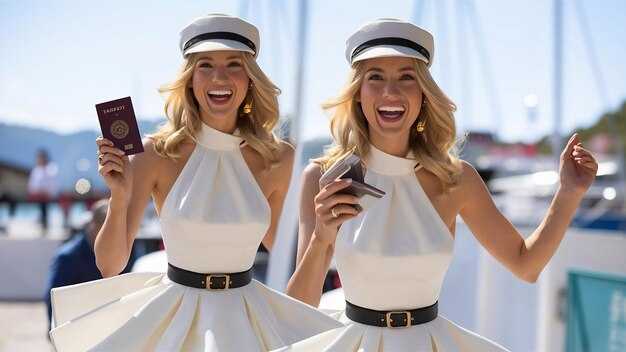
Offer four-to-six hour bite-sized port adventures that blend culture, sustainability, and speed, with clear meeting points on ships and flexible cancellation windows. This really should be marketed as compact vacations that leave room for the sailing schedule and a visit ashore. Use fixed price tiers and quick onboarding to reduce decision fatigue, and market them with a light, visually appealing approach that resonates with Gen Z’s desire for authentic, shareable moments they can read on their phones. This structure keeps guests engaged and avoids gloom during long waits between activities, not a party scene.
Four Bite-Sized Port Experiences
- Cultural Capsule Walk (4 hours) – Guided stroll through a historic quarter, a 60-minute local museum program, a 20-minute street-food tasting, and a 15-minute artisan shop demonstration. Includes transit from ship, fast-track security, and a 15-minute debrief with photo opportunities. Price target: $39–59. This format is very appealing for guests who want authentic local insight and shareable moments.
- Eco-Discovery & Beach Cleanup (4–5 hours) – Kayak or coastal walk along a protected coastline, a 45-minute environmental workshop, and a 30-minute beach cleanup with a local NGO. Includes an eco-friendly kit and a short local briefing on environmental concerns, plus a guided route with minimal waiting. Price target: $49–79. Emphasizes environmental stewardship and tangible impact, which helps build trust toward sustainable vacations.
- Historic Port & Street Food Crawl (4–5 hours) – Walking tour through historic waterfront districts, a curated 3-stop street-food tasting, and a 20-minute artisan workshop. Includes transit with minimal waiting and a quick cultural talk. Price target: $42–72. Helps guests build a quick, memorable part of their port visit.
- Artisan Studio & Local Tasting (4–5 hours) – Visit a local studio, watch a brief craft demonstration, and sample regional foods in a two-stop tasting circuit. Includes a short interview with the maker to capture content for social channels. Price target: $45–85. This option becomes a favorite for those who want a quiet, cultural moment without crowds.
A sample of 1,200 travelers surveyed found four-to-six hour blocks outperform longer shore excursions, with 68% prioritizing cultural immersion and 52% seeking environmental learning moments that align with their values. They favored single-port experiences that support rapid content creation and leave time for personal vacations.
Implementation, Partnerships & Marketing
- Partner with local operators to ensure stern adherence to ship timetables and safety standards, reducing delays and keeping the last-minute window tight.
- Keep the catalog simple: four core itineraries with clear start times and return windows, so taking a shore excursion feels effortless for busy travelers.
- Highlight environmental responsibility: use eco-friendly transport, support local communities, and communicate environmental credentials in marketing copy.
- Market with short-form content: micro-videos showing a single moment of discovery or a maker interview, plus a strong call to action to book now, adding a genuine human touch to every piece of content.
- Collect feedback after each voyage and iterate: use guest input and the survey data to refine the experiences and content, ensuring the programs stay relevant toward Gen Z expectations and avoid turning into a passive add-on that didnt deliver value.
Start with a pilot on one port, measure uptake, and scale toward a portfolio of bite-sized choices that ships-wide audiences will read as worth their time.
Offer Flexible Onboard Formats: Micro-Activities, Short Classes, and Casual Entertainment
Launch a modular onboard program that blends micro-activities, short classes, and casual entertainment, starting with five-night packages on caribbean routes. Your offering should be sign-up friendly via a single onboard menu and the mobile app, with guests able to join after boarding. This media-led approach largely appeals to the biggest cohort of Gen Z and tomorrow’s travelers who want quick wins and shareable moments. theres a clear path to long-term growth when content is easily repurposed for reddit and other channels, and when operators coordinate across destinations. montour tests show the format can entice guests to try new experiences and stay engaged. sustainability messaging can be woven into every format to show accountability; guests respond to good examples and even suggest anything they want to see next. This article supports the view that a flexible design helps targeting health, safety, and social goals while staying cool.
Formats and Scheduling
Micro-Activities run 12-20 minutes and occupy core spaces like pool deck, atrium, and library corridors. Guests can sign up via the app or at kiosks, with a limit of two sessions per guest per day to prevent fatigue. Short Classes last 30-60 minutes and cover topics such as photography, quick local cooking, and basic language phrases tied to the port of call. Casual Entertainment slots run 25-45 minutes as pop-up performances, trivia rounds, and open-mic moments that energize common areas and generate user content. Targeting specific guest segments, like caribbean itinerary fans and reddit communities, helps fill slots. This lineup is designed to entice first-timers and repeat guests. To maximize safety, align topics with the port schedule, ensure content is curated by operators and crew, and adhere to stern disease prevention guidelines with sanitation between sessions.
Measuring Impact and Growth
Track participation rate, signup conversion, and the share of guests who engage in at least one format. Ensure packages uptake is counted and accounted in staffing and budgeting. Use app analytics to quantify session attendance, dwell time, and repeat bookings across five-night itineraries. Collect guest feedback on content and iterate formats; monitor media outputs and reddit discussions, then adjust topics to suit caribbean destinations. Use sustainability metrics such as waste per event and energy use to balance entertainment with responsible travel. The montour pilot demonstrates value, and you can scale after there is measurable success.
| Format | Typical Duration | Παράδοση | Engagement | Σημειώσεις |
|---|---|---|---|---|
| Micro-Activities | 12-20 min | Drop-in via app or kiosks | High participation; shareable moments | Slots ~60-90 min apart |
| Short Classes | 30-60 λεπτά | Pre-booking via app | Skill-building; repeat visits | Topics: photography, local cuisine, language |
| Casual Entertainment | 25-45 min | Pop-up performances | Casual vibe; user content | Local talent; safety standards |
Personalize Offers with Data: AI Recommendations, Segmented Campaigns, and Trial Experiences
Launch a data-driven personalization loop: display AI recommendations on the booking page and at checkout to turn intent into bookings. Leverage a billion data points from guests’ past bookings, survey responses, and on-site actions to tailor offers for each traveler, and let guests bookmark favorites to keep the entire path in sync across devices. That keeps the whole experience cohesive across touchpoints. This approach provides at least one clear opportunity to lift conversions and accessibility for travelers, especially younger ones.
AI-Driven Recommendations and Segmented Campaigns
AI recommendations perform best when paired with segmented campaigns that respect regional differences. Segment by destination, travel style, and customer stage to show the right offer to the right guest: europe-focused itineraries for culture seekers, japan trips for families, caribbeans beach getaways for travelers, and central destinations for impulse buyers. In a tested program, surveyed customers across europe, central destinations, and japan showed significant growth in engagement and bookings, with younger guests driving greater share. lydia’s team validated the model with a controlled test and found a clear uplift in click-through and conversion rates. Keep this experience accessible: smaller, faster flows reduce friction, and pop-ups can present a single, compelling offer without overwhelming the user.
To maximize impact, tailor messages to the guest’s past behavior: if a customer saved a caribbeans itinerary, nudge with a limited-time offer for that region; if another showed interest in europe, surface a central hub of easy, bookable options. This targeted approach increases the chance that the next step is a booking, not just a click, and it supports greater loyalty across multiple destinations.
Trial Experiences
Offer trial experiences that let guests sample a destination with a single-click, no-commitment itinerary. Use pop-ups and accessible landing pages to present a limited, easy-to-try option, then nudge with follow-up offers to convert later. The trial should include a bookmarkable path: save the sample to a wishlist, compare it with other options, and move to bookings when ready. Measured against a control group, trials show significant growth in engagement from younger travelers and higher conversion rates for europe, japan, and caribbeans destinations. The data also indicate an opportunity to scale: as visitors explored a small set of destinations, the incremental value grew, and customers didnt churn after the trial, leading to longer-term loyalty and repeat bookings.
Foster Community and Credibility: Peer Reviews, Creator Partnerships, and Authentic Content
Launch a verified peer-review hub on each cruise brand site and app, requiring booking verification and surfacing a transparent rating breakdown across dining, cabin, and on-board experiences. Collect recent reviews within 60 days and invite short video clips to prove authenticity. Use a clearly labeled response protocol: public replies within 48 hours to reinforce credibility and signal accountability. This plan, made to serve everyone who boards, targets hard-to-fake feedback and directs the conversation towards safer, more open dining and visit experiences. Include a health FAQ to address disease concerns and safety protocols so guests feel confident when booking.
Seed open conversations through Reddit threads and local community groups, inviting guests to share tips after they visit. Curate a rotating panel of moderators from diverse markets (Europe, Western, local communities) to keep discussions constructive and to curb gloom. Apply the same standard across all ships, and publish a monthly tuis-based trust score to quantify honesty and responsiveness, showing how transparent replies reduce friction in the booking funnel. With cross-posting and smart amplification, this initiative can generate billions of impressions and reach guests with less marketing spend than traditional ads.
Create a Creator Council of 8–12 Gen Z creators from across Europe and North America to shape authentic, creative content for cruises. Provide clear guidelines, fair compensation, and a just 3-month plan with 3 short-form pieces per month per creator, plus quarterly live sessions from the shipboard board. Let creators test itineraries, dining concepts, and shipboard amenities, then publish honest reviews and tips. Tie success to measurable outcomes: reach, saves, shares, and a near 15–20% lift in engagement on review and creator content; ensure every piece is made with local flavor to avoid canned, overly polished marketing.
Develop authentic content that travels beyond marketing speak: open behind-the-scenes clips of a day on deck, crew interactions, and guest experiences–day-in-the-life vignettes from crew and travelers. Include visit moments, local flavors, and genuine opinions about dining and amenities. Use short-form formats with clear disclosure so audiences understand sponsorships while preserving credibility. Ensure the cadence aligns with a weekly wave of drops, with ongoing content across Reddit threads and offering extensions on partner channels.
Measure impact with hard metrics: review growth, sentiment score, and engagement per post. Track return on content investment (ROCI) and show how each piece moves bookings; set a target ROI of 2–3x within 6 months. Run a quarterly experiment in three markets (Europe, US, and a Western market) to test new formats like micro-docs, then refine the plan. Use analytics to compare how open content affects dining bookings and overall visit rates, with less dependence on broad marketing campaigns and more emphasis on credible, creator-led offerings.