


 Ελληνικά
  English (UK)
  Русский
  বাংলা
বাংলা  العربية
  日本語
日本語  한국어
한국어  Magyar
  Norsk nynorsk
  Türkçe
  עִבְרִית
  Español
  Čeština
  Svenska
  Português
  Suomi
Suomi  Nederlands
  Română
  Italiano
  Français
  Polski
  Українська
  Deutsch
  简体中文
简体中文  Slovenčina
  Српски језик
  اردو
اردو  Azərbaycan dili
  O‘zbekcha
  አማርኛ
አማርኛ 

The Tuileries Gardens stand as a testament to the rich tapestry of Παριζιάνικος history, merging an elegant landscape with remarkable cultural significance. Stretching over several hectares, this central green space, nestled between the Λούβρο και το Πλατεία Κονκόρντ, has been a playground for both locals and visitors alike. The gardens, inspired by the grand visions of Λουδοβίκος ΙΔ' and developed during the reign of Ναπολέων, embody the essence of French heritage and serve as a reminder of the monuments that have shaped the nation’s narrative throughout the ages.
As you wander through this stunning location, you may find yourself feeling particularly enthralled by the octagonal layout of its pathways, which lead visitors on a journey through meticulously designed spaces. These gardens, adorned with classical sculptures and vibrant floral displays, have been a major attraction for centuries, especially during events like Christmas when visitors flock to the nearby hotels and museums to witness seasonal festivities. Whether you’re walking along the Champs-Élysées or enjoying a leisurely afternoon at a café, the Tuileries Gardens offer a connection to the past while providing a serene backdrop for contemporary city life.
The experience within the gardens transforms with the seasons, each day revealing new sights and experiences. From the lush greenery of summer to the crisp air of Ιανουάριος, where echoes of past tennis games linger in the breeze, there’s always something to discover. This place has been a haven for artists and admirers alike, drawing inspiration from its serene settings. Today, it hosts various events and exhibitions, maintaining its status as one of the most elegant venues in Paris. Take a leisurely foot stroll through the gardens and soak in the evidence of life, art, and history that continues to unfold amidst the backdrop of this remarkable Παλαί.
Uncovering the Tuileries Gardens’ History
The Tuileries Gardens, an iconic oasis in the heart of Paris, span over 25 hectares and have a rich history that dates back to the 16th century. Originally designed as the royal garden of the Tuileries Palace by Catherine de Medici, the gardens have undergone various transformations under the influence of notable figures like Napoleon Bonaparte. In the 19th century, the gardens were opened to the public, becoming accessible to the masses who came to enjoy its lush landscapes, serene fountains, and beautiful sculptures. Each year, the gardens host a range of exhibitions and events, drawing people from all over the world. With its stunning views of the Palais du Louvre and the historical Place de la Concorde, Tuileries serves as a perfect backdrop for leisurely activities like people-watching or exploring art installations.
During World War II, the Tuileries faced a significant period of turmoil, becoming a site where the courage of the French people was tested under Nazi occupation. After the war, extensive restoration efforts were undertaken to return it to its former grandeur. Today, the park stands not only as an emblem of resilience but also a beloved location for locals and tourists. Visitors can now take a quiet walk on its well-maintained terraces, indulge at the nearby restaurants, or simply relax by the fountains. The historical significance of the gardens continues to inspire new generations, as they learn about its past while enjoying the vibrant present filled with life and culture.
Origins: From Royalty to Public Park
The Tuileries Gardens, an elegant expanse of green located in the heart of Paris, has a rich history that dates back to the 16th century. Initially commissioned by Catherine de’ Medici, these gardens were inspired by the Italian Renaissance style and aimed to create a serene retreat for the French royalty. The original design featured various flower beds, fountains, and pathways, all meticulously shaped to reflect the beauty of nature and the grandeur of the monarchy.
As history unfolded, the gardens witnessed the rise and fall of numerous regimes. Under the reign of Louis XIV, the gardens were expanded and transformed into a grand French-style garden, complete with symmetrical lines and elaborate landscaping. However, it was during the reign of Napoleon that the Tuileries became more accessible to the public, as he envisioned a space where citizens could enjoy the beauty and tranquility of nature amidst the urban landscape.
By the time the French Revolution swept through the nation, the Tuileries Gardens were opened to the general public. This shift marked the transition of the gardens from a royal retreat to a communal space, where common folk could stroll and engage in various activities. In this spirit of democratization, the gardens became a venue for events like flower exhibitions and cultural programs, shaping its character as a public park.
During the tumultuous days of World War II, the Tuileries Gardens were not untouched by the turmoil of history. When the Nazis occupied Paris, many of the gardens’ elegant features were neglected, but they remained a source of hope and resilience for the Parisians. After liberation, the parks were restored, symbolizing courage and the enduring spirit of the French people.
For visitors today, the Tuileries Gardens offer an Accessible escape from the hustle and bustle of the city. You can enjoy a leisurely stroll along the banks of the central pond, where you might even see children chasing after model boats or couples enjoying a dance under the canopies of blossoming trees. Each season brings its own charm, especially during Christmas, when the gardens transform into a festive wonderland.
Moreover, the gardens are a starting point for those looking to explore more of Paris. With a location conveniently situated near the Louvre and the iconic Avenue de Rivoli, a trip to the Tuileries is often included in the itinerary of first-time and seasoned travelers alike. From the elegant contours of the flower beds to the soothing sounds of nature, every corner of these gardens tells a story of their past.
In conclusion, the transformation of the Tuileries Gardens from royal grounds to a beloved public park reflects the changing tides of French history. These gardens not only serve as a historical source but also continue to inspire modern-day gatherings and recreational activities, making them a cherished gem in the heart of Paris that embodies both beauty and resilience.
Key Historical Events and Transformations
The Tuileries Gardens, located in the heart of Paris, have been a site of significant events throughout history. Originally designed in the early 16th century by Catherine de’ Medici, the gardens served as a royal retreat. Its layout featured elegant pathways, sculptures, and a prominent octagonal basin, establishing a sense of beauty and tranquility. This space became linked to the French monarchy, making it a focal point for important cultural and political happenings for centuries.
During the French Revolution, the Tuileries was transformed dramatically. The royal palace was stormed, and much of its grandeur was sacrificed as the people sought to assert their power. This period saw the gardens becoming a public space, where residents could enjoy leisurely walks, and enjoy the sights and sounds of Parisian life. Sculptures and monuments began to reflect revolutionary ideals; evidence of this transformation can still be seen in the remaining historic features.
In the late 19th century, the Tuileries Gardens became a venue for extravagant events, including Christmas markets and celebrations. Guided tours through the gardens have made it easier for visitors to discover the rich tapestry of history woven throughout this iconic location. People often come for picnics, people-watching, or simply to admire the beauty of the surroundings, which remain as elegant as ever.
The Nazi occupation during World War II marked another pivotal point for the Tuileries. With the gardens under surveillance, the peaceful ambiance was transformed into a site of tension and uncertainty. They were often used as a place to track dissidents or as a gathering place for troops. However, following the liberation of Paris, the Tuileries once again emerged as a thriving hub, returning to a state where the people could dance and celebrate their freedom.
| Εκδήλωση | Ημερομηνία | Περιγραφή |
|---|---|---|
| Royal Retreat Established | 1564 | Creation as a royal escape for Catherine de’ Medici. |
| Storming during Revolution | 1792 | The gardens converted to a public space, symbolizing democracy. |
| Nazi Occupation | 1940-1944 | Gardens used for military purposes and surveillance. |
| Post-War Revitalization | 1944 onward | Transition back to a public enjoyment space for all Parisians. |
Even now, as one walks through the pathways lined with trees and flowers, visitors can find a blend of history and modernity. The Tuileries Gardens host contemporary events, including art exhibitions and cultural festivals, linking its storied past with the present day. As a post-impressionist haven, it captures the essence of evolving artistic movements while maintaining its historic footprint.
Whether you want to take a leisurely stroll or plan a trip specifically to dive into its history, the Tuileries Gardens promise something for everyone. With its vibrant tiles, romantic pathways, and historic buildings, it remains an exemplary representation of Parisian culture and art. The gardens embody a spirit of resilience, growth, and community that continues to thrive throughout the changing seasons.
Influence of Landscape Design in French History

Landscape design in France has played a pivotal role throughout its history, shaping not only the physical environment but also the cultural identity of the nation. Scenic venues, like the Tuileries Gardens, provide a quiet retreat in the heart of Paris, allowing visitors to escape the bustling urban life. Over the years, these gardens have witnessed significant events that have left an indelible mark on the fabric of French society.
The design of these historical grounds is often a reflection of the ideals of the time. From the grandeur of the Renaissance to the elegance of the Baroque period, landscape architecture has followed a fascinating line of evolution. Gardens were seen as extensions of palaces, emphasizing the wealth and power of the elite, with each design decision carefully made to earn prestige and influence.
As one wanders through iconic locations like the Tuileries, you can hear the whispers of history around you. The connection between royal acts and landscape design is evident; gardens were meticulously crafted to host royal gatherings, showcasing art through sculptures and floral arrangements. This blending of nature with structured beauty reflects not only the aesthetic values of the period but also the political and social dynamics of the time.
Today, visitors can still learn much about the heritage of French landscape design. Special exhibitions often highlight the distinct features of various gardens, providing an overview of their evolution through different eras. Whether visiting for a half-day or a longer stay, tourists can explore this program of events that capture the essence of France’s artistic and historical legacy.
The gardens also serve as a playground for contemporary culture, hosting events ranging from art installations to tennis matches. The interplay between historic design and modern usage creates an engaging atmosphere where the old and new coexist harmoniously. This interaction ensures that the gardens remain relevant and active components of the city’s vibrant cultural calendar.
Occasionally, we are reminded of darker historical events, such as when these magnificent grounds were occupied during WWII by the Nazis. The scars of this period serve as a reminder of the resilience of France’s cultural landscape. Today, elegant gardens carry not only the echoes of laughter but also the stories of struggle and survival.
Visiting the Tuileries Gardens is not just about appreciating beauty. It’s about understanding the deeper links that landscape design has with French history, identity, and culture. For anyone wanting to connect with the past while enjoying the present, a trip to these historic grounds will undoubtedly enrich your understanding of France’s multifaceted heritage.
The Design and Layout of the Gardens
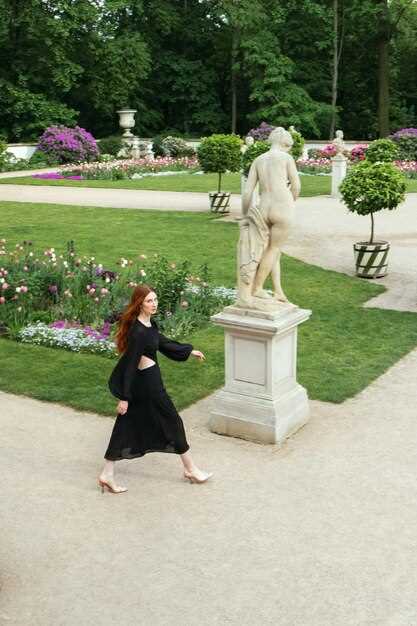
The Tuileries Gardens offer an exquisite overview of both design and history, reflecting the vision of Cathédrine de’ Medici, who initially commissioned their construction in the 16th century. The arrangements of the gardens are meticulously planned, featuring elegant βεράντες, open spaces, and pathways that invite visitors to engage with the landscape. The central basin, surrounded by vibrant floral displays, draws the eye while the geometric shape of the gardens showcases the influence of the impressionist movement, which found inspiration in the play of light and nature throughout the setting. Today, exploring this urban oasis allows guests to enjoy peaceful strolls, with pathways leading towards the celebrated carrousel and the famed Λούξορ obelisk.
Structures and features like the grand fountain and the octagonal λεκάνη serve as focal points, inviting παιδιά and adults alike to engage with the beauty of their surroundings. Visitors can delight in the careful arrangements of flora that vary with the seasons, allowing for a different experience on each ταξίδι through the gardens. The elegant γραμμές throughout the garden not only create a graceful flow but also guide the eye towards artistic displays and various points of interest, embodying the whole heritage of arts στην καρδιά του πόλη. As one walks through the gardens, the sense of tranquility and connection to history remains palpable, making each visit a cherished adventure, particularly during sunny afternoons.