


 English (UK)
  Русский
  বাংলা
বাংলা  العربية
  日本語
日本語  한국어
한국어  Magyar
  Norsk nynorsk
  Türkçe
  עִבְרִית
  Español
  Čeština
  Svenska
  Português
  Ελληνικά
  Suomi
Suomi  Nederlands
  Română
  Italiano
  Français
  Polski
  Українська
  Deutsch
  简体中文
简体中文  Slovenčina
  Српски језик
  اردو
اردو  Azərbaycan dili
  O‘zbekcha
  አማርኛ
አማርኛ 
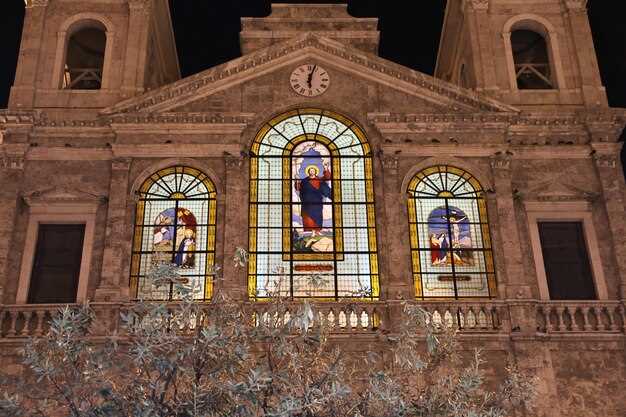
The Real Basilica de San Francisco el Grande stands as a testament to centuries of Spanish history, nestled amidst the vibrant streets of Madrid. This awe-inspiring structure is not just a church; it is a historic house that embodies the essence of the Franciscan order. Designed with a majestic façade flanked by detailed stonework, the basilica’s architectural beauty captures the attention of every traveler who passes by. With its impressive dome rising gracefully above the green gardens surrounding it, the basilica invites visitors to explore its serene interior.
As you step closer to this iconic landmark, you’ll appreciate the intricate details that showcase the artistry of renowned Spanish painters, including the legendary Goya and the masterful Zurbarán. Each side of the basilica is a visual delight, revealing the fascinating blend of styles that reflect its 20th-century renovations and its historical significance. Observing the contrasts in the basilica’s design, one can gain insight into the influences that have shaped its status over the years.
For those involved in the exploration of Madrid’s rich culture, visiting the Basilica de San Francisco el Grande is highly recommended. Just a short stroll from the bustling plazas and famous tapas bars, the basilica provides a tranquil escape from the busy urban life. The surrounding areas, including the vibrant Palacio de Bailén, add to the experience, making it easier to dive into the artistic and historical marvels that the city offers. Whether you are a poet seeking inspiration or a history enthusiast eager to uncover stories of the past, this remarkable basilica promises to enrich your understanding of Madrid’s heritage.
Exploring the Architectural Features of the Basilica
The Real Basilica de San Francisco el Grande stands as an awe-inspiring monument within the heart of Madrid, reflecting the rich architectural heritage of Spain. This basilica features a stunning neoclassical style, which was influenced heavily by the ecclesiastical designs of ancient Rome. Its grand dome, with a diameter of 33 meters, is the centerpiece of the structure, drawing visitors’ eyes upward toward its majestic heights.
One of the most impressive aspects of the basilica is its imposing façade, made of carefully crafted stone that has stood the test of time. The detailed sculptures adorning the entrance are a brilliant testament to the artistry of Francisco de Goya, who was commissioned to create works that enhance the overall beauty of the building. Each figure tells a story, inviting guests to reflect on the sacred nature of the space.
- The dome’s design features eight chapels that radiate outward, creating an expansive sense of space.
- Each chapel showcases intricate altarpieces and works of art, adding to the basilica’s artistic richness.
- The interplay of light and shadows within the basilica creates a serene atmosphere, particularly during the early morning hours.
Visitors to Madrid will find the basilica conveniently located near the city’s metro system, making it easy to integrate into a day trip. Surrounding the basilica, the lovely plaza and nearby tapas bars invite guests to relax after exploring the majesty of this historic gem. It is recommended not to miss this opportunity, especially during the holidays when the basilica’s beauty is illuminated in a special way.
Within the basilica, the impressive walls are adorned with frescoes and detailed artworks that showcase the talent of local artists. Noteworthy pieces include magnificent paintings by renowned artists, adding layers of cultural significance to the structure. As you step inside, each detail seems to speak, offering a connection to the city’s rich past.
When visiting the Real Basilica de San Francisco el Grande, a guided tour can enhance the experience, providing more insight into the architectural features and the historical context of the site. With sights ranking among the best in Madrid, this hidden treasure simultaneously serves as both a holy sanctuary and a vibrant piece of the city’s cultural tapestry, making it an essential stop for any traveler exploring Spain’s depths.
The Neoclassical Style and Its Significance
The Neoclassical style emerged in the 18th century, characterized by its grandeur and adherence to classical principles of design. This artistic movement emerged as a reaction to the ornate Baroque style, focusing instead on simplicity, symmetry, and the use of geometric forms. In Spain, Neoclassicism found its expression in significant architectural projects, particularly in churches and public buildings, where the design often included striking stonework and intricate details that reflected the mastery of earlier artistic traditions. The Real Basilica de San Francisco el Grande stands as a prime example of this style, capturing the essence of Neoclassical elegance.
One of the distinguishing features of Neoclassical architecture is its use of clear lines and a harmonious balance between elements. The Basilica’s façade showcases impressive columns and a grand dome that spans 33 meters in diameter, highlighting how the style emphasizes proportions and scale. Each architectural detail serves a purpose, reinforcing the structure’s overall integrity while showcasing the artistic prowess of its creators, such as Alonso de Covarrubias. Every part of the design speaks to the heritage of Spain, blending religious significance with artistic ambition.
The placement of Neoclassical buildings is also significant. Architects often arranged these structures in a way that allowed them to harmonize with their surroundings. The Real Basilica is situated close to the vibrant Plaza de Bailén, allowing visitors to enjoy a seamless blend of urban life and historical beauty. A trip to this location is not just about seeing a church; it’s an experience that places you at the center of Madrid’s cultural heart, surrounded by greenery and lively streets filled with tapas bars.
During the holiday season, the Basilica becomes a place of reflection and festivity. The church stands back to remind visitors of its divine purpose amidst the hustle and bustle of contemporary life. As you enter, the breathtaking interior draws you towards its altar, where stunning art pieces create a visual narrative that speaks to the soul. The status of the Basilica as a significant religious and cultural site is solidified by its role as a museum of sorts, housing important artifacts from Spain’s ecclesiastical history.
For those planning a visit, it’s essential to check the official timings for ticket entry to ensure you can explore this masterpiece without missing out on its religious ceremonies or guided tours. Whether you’re a local or a tourist, spending a morning in the de San Francisco el Grande gives you the chance to rest, reflect, and appreciate the legacy that continues to influence artistic design in Spain. Here, beneath its magnificent dome, you’ll find not just a church but a testament to the enduring power of Neoclassical artistry.
Key Elements of the Interior Design
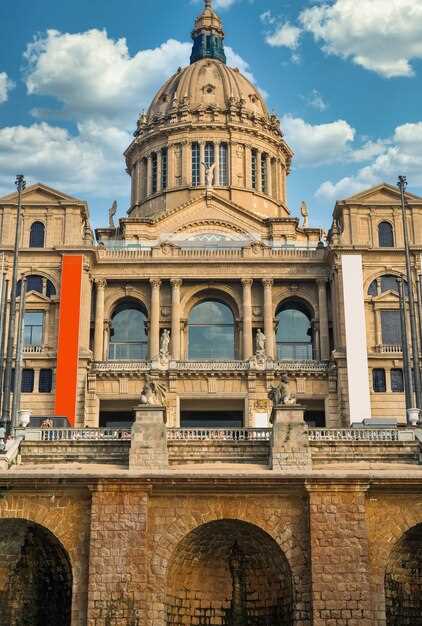
The interior of the Real Basilica de San Francisco el Grande is a stunning showcase of the Franciscans’ architectural vision, blending elements of 19th-century artistry with earlier styles. As you walk through the spacious structure, you’ll note how the prominent stone columns and large arches create a sense of grandeur that stands out remarkably against the decor. The details include intricate frescoes and ornate altarpieces that draw the eye, crafting illusions of depth and artistry. Between the large, white walls and the shaded areas created by the carefully arranged greenery in the courtyard, a relaxing atmosphere envelops visitors, making it one of Spain’s first great houses of worship.
The highlights of the basilica are not limited to the architectural overview. Those who take the time to admire the interior will find places of peace, notably in the hermitage corner dedicated to Juan de Venturas and the stunning backdrop of the main altar, designed to evoke a celestial feel. After spending some time here, you’ll appreciate how these artistic elements contribute to its status as a busy landmark in Madrid. This project definitely emphasizes the city’s importance, standing next to other renowned buildings, and is easily accessible from the nearby metro stations, including the bustling Plaza de Bailén.
Influence of Different Architectural Eras
The Real Basilica de San Francisco el Grande showcases a captivating blend of architectural styles that reflect various historical eras. Constructed in the 18th century, its design draws heavily from Neoclassical principles, characterized by grand symmetry and a harmonious, serene aesthetic. This style marked a significant departure from the intricate Baroque influences that preceded it, allowing for a more expansive visual experience.
The basilica’s iconic dome, one of the largest in Europe, stands as a testimony to the technical advancements of its time. Measuring over 33 meters in diameter, it provides a striking focal point that enhances the building’s overall grandeur. Even during morning tours, visitors cannot miss the sheer beauty of this structure as light filters through its detailed windows, illuminating its many facets.
In addition to Neoclassicism, elements of Moorish architecture are subtly incorporated into the design. The surrounding plaza features intricate tile work, reminiscent of the styles found in cities like Plasencia and Buenos Aires. These influences serve to remind worshippers of the region’s rich history, making each visit a unique experience that connects the past and present.
While the basilica primarily reflects styles from the 18th century, later renovations introduced modern touches that resonate with contemporary aesthetics. Significant figures like Goya have been involved in enhancing its interior, adding to its artistic legacy. These modern elements highlight the basilica’s evolution and its place within Madrid’s vibrant cultural landscape.
Architectural tours of the basilica begin in the main sanctuary and often include a visit to the two majestic towers that rise proudly on either side. These towers stand as symbols of faith and community, inviting visitors to explore deeper within this historic gem. The structure effectively marries old and new, which speaks volumes about the adaptability of architectural design through time.
A detailed analysis of the basilica’s architecture reveals a rich tapestry woven from various influences over the centuries. The juxtaposition of styles not only enhances its aesthetic appeal but also creates a dynamic narrative that visitors can appreciate. This blending serves as a reminder of how architecture evolves and responds to changing cultural contexts.
For those on a dedicated exploration of Spain’s architectural heritage, the Real Basilica de San Francisco el Grande is an essential stop. With free tours available at various hours, it’s an accessible way for everyone to experience the beauty of this iconic structure. Each visit offers insights into the larger historical narrative while also providing a serene spot for reflection.
In summary, the influence of different architectural eras on the Real Basilica de San Francisco el Grande is nothing short of stunning. The building encapsulates a journey through time, showcasing how diverse styles can coalesce into a harmonious whole. Whether you’re here for worship or simply to admire its grandeur, this basilica promises an unforgettable experience.
Understanding Its Historical Context
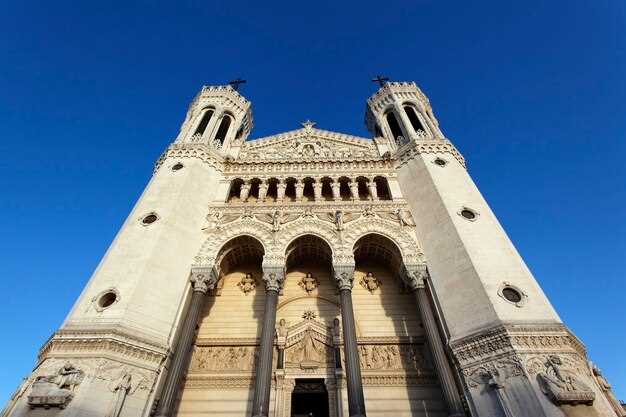
The Real Basilica de San Francisco el Grande stands as a monumental structure in Madrid, reflecting the rich tapestry of Spain’s artistic and cultural heritage. Established during the late 18th century, this awe-inspiring basilica was designed by Francisco de Echegaray, who meticulously crafted the architecture to align with the neoclassical style prevalent in Europe at the time. Its location nestled in the charming neighborhood of La Latina ensures that visitors can take a stroll through the historical streets before reaching this striking landmark.
Throughout history, the basilica has contributed significantly to the identity of Madrid. It was built to honor the Franciscan order, which has roots dating back to the era of St. Francis of Assisi. This connection to the past is palpable as you navigate through the detailed and intricate decorative elements that adorn the building, allowing you to feel the presence of history with every stone.
Visitors often plan their trips to Madrid to explore not just the basilica but also its surrounding areas, making it a perfect stop on a summer tour of Europe. Museums and other historical sites are available nearby, including the works of art that reflect Spain’s rich tradition in painting and sculpture. Those who take the time to visit will find that the trip is uniquely rewarding, enriching their understanding of the region’s heritage.
One of the most stunning features of the basilica is its impressive dome, which draws parallels to the famed structures of Rome, notably St. Peter’s Basilica. This remarkable design features a pediment adorned with intricately carved figures, creating a visual narrative that enchants both locals and travelers alike. Every detail is a reminder of the era’s artistic achievements, providing an ideal backdrop for contemplation.
The Real Basilica de San Francisco el Grande is not just a site for religious observance; it serves as a cultural hub. Within its walls, visitors can admire impressive altarpieces and religious paintings that tell the story of Spanish spirituality and artistic innovation. The artifacts housed here are a testament to the skilled artisans who dedicated their lives to creating stunning works that remain relevant today.
In the mornings, the basilica is a lovely place to visit when the sunlight streams through its stained glass, creating an atmosphere of serenity and introspection. Visitors can easily reach the site via the metro, making it a convenient choice for those exploring Madrid. A small ticket fee ensures access to this treasure, allowing guests to immerse themselves in its history and significance.
Your experience at the basilica can be enhanced by taking the time to enjoy the nearby Vistillas park, which offers a picturesque view of the structure against the skyline of Madrid. This combination of natural beauty and architectural mastery creates an unforgettable experience for anyone who appreciates history and culture in their travels. The surroundings serve to further illustrate the importance of this site within the broader context of Madrid’s development over time.
In summary, the Real Basilica de San Francisco el Grande is much more than just a building; it is a historic gem that encapsulates the artistic and cultural spirit of Madrid. Its position within the city has made it an integral part of the narrative that defines Spain’s vibrant heritage. Visitors are encouraged to take the time to explore this monumental site, as it serves as both a spiritual sanctuary and a remarkable slice of history that continues to awe and inspire.