


 English (UK)
  Русский
  বাংলা
বাংলা  العربية
  日本語
日本語  한국어
한국어  Magyar
  Norsk nynorsk
  Türkçe
  עִבְרִית
  Español
  Čeština
  Svenska
  Português
  Ελληνικά
  Suomi
Suomi  Nederlands
  Română
  Italiano
  Français
  Polski
  Українська
  Deutsch
  简体中文
简体中文  Slovenčina
  Српски језик
  اردو
اردو  Azərbaycan dili
  O‘zbekcha
  አማርኛ
አማርኛ 

In the heart of Milan, two monumental masterpieces await your discovery: the illustrious Teatro alla Scala and the awe-inspiring Duomo Museum. Known for their extraordinary cultural significance, these places are more than just tourist attractions; they are havens of art, history, and emotion. This guided tour allows you to step inside these iconic landmarks, where hundreds of artists have worked diligently, creating a legacy that spans centuries.
The Teatro alla Scala, a grand theatre born in the 18th century, is a piece of musical heritage. With a dedicated guide leading you through this captivating area, you will learn about the illustrious history of performances that have graced its stage. The tickets, or biglietto, for this extraordinary experience can be purchased well in advance, so make sure to plan your visit early. As you sit back and admire the splendid architecture, you may find yourself rooted in awe, imagining the emotional journey of past audiences.
Just a short walk from the theatre, the Duomo Museum houses an impressive collection of art and exhibits, including stunning paintings and intricate marble sculptures. This museum serves as a library of Milan’s rich cultural heritage, showcasing works from the Ambrosiana and extraordinary exhibitions that reveal the city’s artistic evolution. One must not miss the opportunity to explore the terraces of the Duomo, where you can gaze upon the famous Madonnina while taking in breathtaking views of the city that fostered such talent and creativity.
Whether you are a culture enthusiast or a curious traveler, this journey through Milan’s artistic landscape promises to be both enlightening and moving. Visiting these iconic sites is not only a chance to appreciate the visual beauty but also a quest to understand the profound impact these places have on the cultural fabric of the city. Experience the magic of Milan with us, and immerse yourself in a story told through art, music, and history.
Teatro alla Scala: A Journey into Opera
Teatro alla Scala, often referred to simply as La Scala, is a world-renowned theater that embodies the essence of Italian culture and the rich tradition of opera. Built in the late 18th century, this iconic venue has been a stage for some of the most significant musical works and celebrated artists. A guided tour through its halls allows visitors to admire the stunning marble and stained glass that adorn the interior, offering a glimpse into the grandeur of an era long gone, yet still alive in the performances held here.
The theater is not only a place where music is performed, but also a museum that showcases the history of opera. Inside, visitors can explore exhibitions that highlight the journey of this magnificent art form. As you walk through the museum area, you will see paintings, costumes, and original scores that tell the story of the great works that have graced this stage. For those curious about the evolution of opera, these exhibitions provide an emotional connection to the past.
One of the best times to visit Teatro alla Scala is during the early evening when the ambiance is filled with anticipation. Visitors can purchase tickets in advance and enjoy a “hop-on, hop-off” experience that allows them to explore the whole area at their own pace. It’s necessary to check the orari before planning your visit, as some parts of the theater may be closed during certain hours, especially during rehearsals or performances.
As you step into the majestic hall, the atmosphere is electric with the spirit of artistry and creativity. The large windows allow natural light to filter through, creating an inspiring environment for both artists and spectators. The seating design ensures that every client gets an unobstructed view of the stage, making it a must-see spot for anyone passionate about theatrical performances.
The opening of the season at Teatro alla Scala is a significant event in the cultural calendar. This year, the anticipation is heightened as exciting new works and classic operas are set to be performed. The audience eagerly awaits performances from both legendary artists and emerging talents, ensuring that the magic of opera continues to captivate audiences of all ages. Don’t miss the chance to witness a live show; it’s an experience unlike any other.
Whether you’re a seasoned opera aficionado or just beginning to explore this fascinating world, a trip to Teatro alla Scala is essential. During your visit, take the time to reflect on the profound impact that this theater has had on the music world and the cultural landscape of Italy. The journey through La Scala is not just about opera; it’s about celebrating the artistry, passion, and history that make this theater a treasured gem of Milan.
Understanding the History of Teatro alla Scala
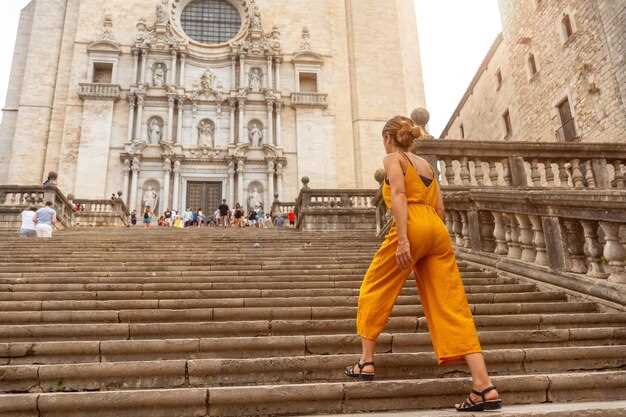
Teatro alla Scala, commonly known simply as La Scala, is one of the most renowned opera houses in the world. Built in the late 18th century, its origins can be traced back to a need for a new theatre to replace the old Teatro Regio Ducale. The magnificent structure is located in the heart of Milano, making it a cornerstone of the city’s cultural identity.
The theatre was inaugurated on August 3, 1778, with a performance of Europa riconosciuta by Antonio Salieri. The architect Giuseppe Piermarini designed this masterpiece, blending Lombard Baroque style with innovative architecture. As a result, La Scala has become a celebrated symbol of theatrical artistry, much like the Colosseum represents ancient history.
Throughout its history, La Scala has been the epicenter of musical and theatrical excellence. The theatre has hosted almost every major composer of the last two centuries, including Verdi, Puccini, and Strauss. Their works, performed in this iconic venue, not only enriched Italy’s musical landscape but have also become a significant source of national pride.
Visitors to La Scala are not limited to just enjoying performances; they can delve into the theatre’s rich legacy through guided tours. These tours offer insights into the building’s intricate architecture, the stunning marble interiors, and the elaborate opera house structure known as the tetto–the roof that supports incredible acoustics.
Inside La Scala, guests can view the museum, which houses a collection of original manuscripts, instruments, and historic costumes. The exhibitions tell the story of the theatre’s evolution, showcasing not only its celebrated operas but also the lesser-known works that have graced its stage. This makes La Scala a must-see for anyone interested in the complexities of theatrical production.
The theatre is adorned with remarkable paintings and intricate windows that tell stories of the past, further enriching visitors’ understanding of the art form. The legendary symbol of Milan, the madonnina, perched atop the Duomo, is often seen as a protective figure overlooking this historical site, reinforcing the connection between two of the city’s most cherished places.
Moreover, La Scala is not just a venue for opera; it also serves as a cultural hub. The theatre often holds workshops and community events, engaging the public in the realms of music and the theatrical arts. This engagement emphasizes La Scala’s commitment to ensuring that everyone can access the beauty of Milano‘s artistic community.
In conclusion, visiting Teatro alla Scala enables one to experience a rich tapestry of history, culture, and music. From its inception until today, La Scala remains a monumental figure in the world of performing arts, a true emblem of Milan’s vibrant legacy. The interplay of its theatrical stories and the evolution of operatic traditions make it a lifelong quest for both connoisseurs and newcomers alike.
What to Expect During the Guided Tour
During your guided tour of the Teatro alla Scala, prepare to immerse yourself in the extraordinary world of Milan’s most famous theater. As one of the premier venues for music and theatrical performances, this historic place offers a captivating experience. You will be led inside the opulent hall, where you can admire the intricate design and decorations that have made this theater a must-see attraction. Don’t forget to book your tickets early since the guided tours can fill up quickly, especially during the peak season.
The tour also includes access to the Museo Teatrale alla Scala, which showcases a vast collection of precious artifacts related to the history of Italian music and the arts. Here, curious visitors will find pieces that tell the story of famous operas and artists who have graced the stage, with everything from historical costumes to musical scores. The museum’s glass windows provide a beautiful view, allowing for an engaging exploration while you learn about the pivotal role the theater has played throughout the years in Milan and the broader context of Italy’s cultural landscape.
| Tour Details | Information |
|---|---|
| Duration | Approximately 1.5 hours |
| Opening Days | Open every day except for December 25th |
| Language | Available in English and Italian |
| Price | Tickets start from €12 |
| Meeting Point | At the entrance of Teatro alla Scala |
Whether you’re a fan of music or theater, this guided visit is an essential experience for anyone traveling to Milan. You’ll leave with a deeper appreciation for the theatrical contributions of the Sforza family and the artistic heritage that flourished in the 15th century. With a wealth of information shared by knowledgeable guides, you are sure to enjoy every moment of this culturally rich journey through Milan’s artistic history.
Highlights of the Teatro’s Architecture
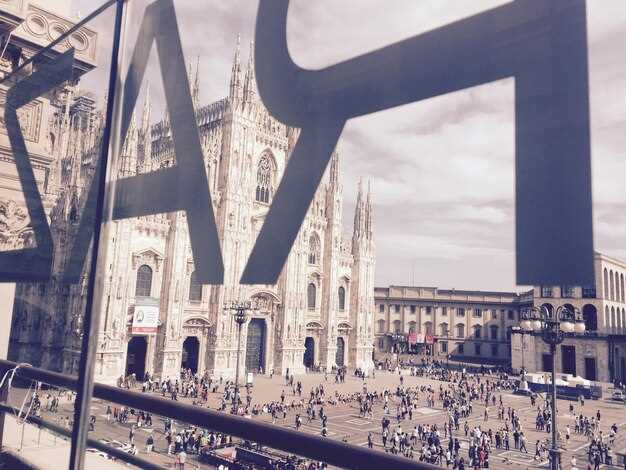
The architectural grandeur of Teatro alla Scala is an extraordinary feast for the eyes, celebrating the rich cultural heritage of Milan. From the moment you step inside, the theatrical atmosphere embraces you, guided by the exquisite details that define this iconic venue. The hall itself, adorned with marble and critical pieces of art, represents a glorious evolution in performing arts architecture born during the late 18th century.
One must not miss the captivating façade, which beautifully combines neoclassical and modern styles. This stunning entrance, known as ingresso, draws visitors as it reflects the elegance of Milanese architecture. The Madonnina statue atop the Duomo is just a stone’s throw away, allowing for a unique view of both the theatre and the cathedral, symbolizing the city’s cultural essence.
As you explore, curious eyes will enjoy the intricacies of the interior design, which includes a magnificent chandelier that adds a touch of glamour. The seating arrangements in the theatre are designed to offer an optimal view, ensuring that every audience member can admire the full performance. This operational layout showcases a deep understanding of audience engagement and comfort, which is essential for the success of any theatrical performance.
Moreover, the influence of historical figures, such as Arturo Toscanini, can be felt throughout the building. From the staged productions to the rehearsals held within its walls, each performance honors those who have contributed to this museum of culture. If you’re planning a trip to Milan, the guided tours are a must, allowing you access to parts of the theatre that a typical visitor might otherwise skip.
Not far from here, you’ll find the Ambrosiana museum, which houses remarkable paintings and artistic works that complement the theatrical experience. As you traverse these cultural places, the juxtaposition of Teatro alla Scala with the art found in the museo offers a comprehensive understanding of Milan’s artistic legacy.
Whether you are a devotee of musical performances or simply someone looking to enjoy the stunning architectural pieces, Teatro alla Scala stands as a testament to the power of performing arts. This theatre is undeniably a must-see, irresistibly inviting visitors to immerse themselves in the culture of Milan, creating memories that resonate long after the final curtain call.
Unique Experiences: Behind-the-Scenes Access
In Milan, experiencing cultural treasures is not limited to what is visible to the public. Behind the scenes, there are extraordinary opportunities that allow visitors to access the less-explored facets of the city’s rich history. A guided tour can unveil hidden gems, revealing the intricate connection between music, painting, and the archaeological past that shapes Milano’s identity.
One of the highlights of these unique experiences is the accesso to the Teatro alla Scala’s backstage. Here, visitors can follow artists as they prepare for breathtaking performances, witnessing the art of musical craftsmanship up close. This grand theatre has been home to countless masterpieces, and being behind the curtains offers a captivating glimpse into the world of opera that most only admire from the audience.
- Experience early morning rehearsals with live music.
- Explore the historical library, filled with precious instruments and memorabilia.
- Access the exclusive terrace boasting stunning views of the Madonnina.
The Duomo Museum is another area where behind-the-scenes access opens new windows to the cultural significance of Milan. Through specially arranged tours, visitors can admire extraordinary works and exhibitions that span centuries. The museum offers a complete journey through time, showcasing the evolution of art and architecture from the medieval period to contemporary expressions.
During your visit, you can also hop-off at various points to delve deeper into the historical narratives that defined this magnificent city. Accessing the terraces of the Duomo, for instance, provides breathtaking views of the entire area, where centuries-old architectural marvels share the skyline with contemporary art pieces. It’s a place where culture, history, and music converge.
To make the most of these experiences, be sure to book early. With limited access to exclusive areas and unique insights, these tours are designed for those who truly seek to appreciate the depths of Milanese art and culture. Whether you are standing in front of a grand painting or listening to musicians fine-tuning their instruments, these behind-the-scenes moments promise to remain a cherished part of your journey in Milan.