


 English (UK)
  Русский
  বাংলা
বাংলা  العربية
  日本語
日本語  한국어
한국어  Magyar
  Norsk nynorsk
  Türkçe
  עִבְרִית
  Español
  Čeština
  Svenska
  Português
  Ελληνικά
  Suomi
Suomi  Nederlands
  Română
  Italiano
  Français
  Polski
  Українська
  Deutsch
  简体中文
简体中文  Slovenčina
  Српски језик
  اردو
اردو  Azərbaycan dili
  O‘zbekcha
  አማርኛ
አማርኛ 
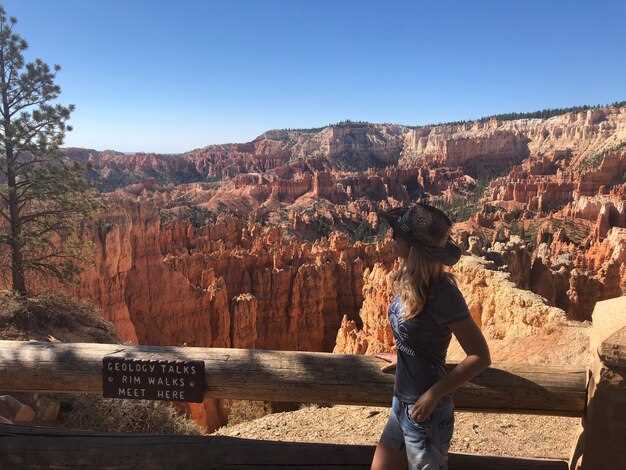
Embarking on trips through the stunning national parks of the Southwest is a journey that leads you to some of nature’s most breathtaking wonders. From the towering ridgelines of the Rockies to the stark canyons of Arizona, each park offers a unique glimpse into the diverse habitats filled with rich geology and fascinating wildlife. In September, when the temperatures start to slightly cool, many find the ideal time to explore these extraordinary landscapes.
The Southwest is home to remarkable destinations that require a little planning but promise exceptional rewards. Parks like Grand Canyon and Zion are havens for outdoor enthusiasts and those seeking solace in nature. As you stroll along the park pathways, you may encounter ancient junipers and spiny cacti, standing like natural markers of time. The striking formations, carved by eons of geological forces, make each visit an impossible experience to forget.
Each national park serves as a gift, offering visitors an opportunity to befriend the unique ecological systems they sustain. Whether you’re hiking along the narrows of Zion or traversing the rugged terrains of Big Bend in Texas, the journey will lead you to breathtaking views and star-filled skies above. Each park encapsulates its own story–one of survival, resilience, and beauty waiting to be discovered by young adventurers and seasoned travelers alike.
Exploring the Iconic National Parks
The southwestern United States is a treasure chest of breathtaking national parks, each one offering unique experiences that cannot be found anywhere else. Among the most iconic, Zion National Park stands out, characterized by its stunning rock formations and vibrant landscapes. Visitors are often in awe of the natural beauty that stretches through the canyons, making it a must-visit for anyone exploring this region.
In June and July, the temperatures rise significantly, making it crucial for visitors to prepare adequately for their adventures. Hydration is key, as the high temperatures can potentially lead to health issues. Early mornings or late afternoons are recommended to avoid the highest highs of the day and maximize outdoor experiences. For those seeking tranquility and solitude, self-guided hikes along the lesser-known trails can provide a more intimate look at the park’s highlights.
Throughout the parks, you’ll discover more than just beautiful landscapes. The ancient ruins and colorful rock formations tell a story of the region’s past. Archaeological findings in these areas provide insight into the lives of early inhabitants, including details about mining activities and their impact on the environment. This rich history is complemented by the natural beauty that surrounds it, making national parks true living museums.
As you explore further, keep an eye out for the remarkable wildlife that thrives in these environments. From spotted tortoises to tiny amphibians, the biodiversity is profound. Riparian areas, where water meets land, are especially vibrant, serving as habitats for various species. It’s fascinating to witness how life persists in such arid locations, adapting to the limited precipitation.
Additionally, the parks feature incredible geological shapes, like the towering columns of rock that have been sculpted by time and weather. Each bend in the trail offers a new perspective, a new masterpiece of nature waiting to be appreciated. Photography enthusiasts will find ample opportunities to capture these moments, particularly during the golden hour when the soft light enhances the landscape.
In addition to scenic beauty, many visitors find joy in the activities these parks offer. From rafting in the rivers to hiking among the mountains, there’s something for everyone. Exploring historic orchards and taking part in ranger-led programs can also add to the richness of the experience. The variety of locations within each park ensures that you’ll never run out of things to see and do.
Ultimately, exploring the iconic national parks of the southwest is about connecting with nature and appreciating the extraordinary. Whether you’re traversing the vast canyons of Zion or observing the vibrant ecosystems in other parks, the experiences gained will stay with you long after your visit. This adventure is not just about the sights; it’s about understanding the delicate balance of life in these historic landscapes, a reminder of nature’s power and beauty.
Grand Canyon National Park: An Unmatched View
Grand Canyon National Park, located in the heart of the Southwest, stands as a testament to nature’s artistry. Its breathtaking vistas, with elevations that reach impressive heights, offer panoramic views that are unmatched anywhere on Earth. Each visit brings a gift from nature, whether it’s the striking contrasts of daylight and dusk or the mesmerizing patterns created by centuries of geological strata. The various rims of the canyon provide diverse perspectives, ensuring that no two experiences are ever the same.
The park experiences a mix of climatic conditions, shaped by its high-altitude terrain. Summers can be intensely hot, making it essential for hikers to stay hydrated and prepared for sudden changes in weather. Winters, on the other hand, can bring snowstorms, transforming the canyon into a winter wonderland. The beauty of the snowy landscape offers a striking contrast to the canyon’s characteristic glassy rock formations. Tourists often find comfort in these seasonal changes, as each season reveals a different layer of the canyon’s beauty.
For adventure seekers, the Grand Canyon is a paradise. Its rugged terrain is ideal for rock-climbing and hiking, while its numerous trails cater to both novices and experienced climbers. The park not only boasts scenic viewpoints such as Mather Point but also houses several hidden gems, perfect for those looking to escape the crowds. Whether it’s navigating the challenging trails of the North Rim or exploring the easier paths of the South Rim, there is something for everyone, including nocturnal creatures that take advantage of the cooler evening temperatures.
Visitors may choose to shop for souvenirs in nearby areas or explore the cultural heritage of the region, where occupations of the early inhabitants, such as the ancient Ancestral Puebloans and Mormon settlers, left a rich historical imprint. Each layer of rock tells a story, much like the rich herbal mead offerings from the local shops that add a unique taste to the visit. As you stand at the canyon’s edge, the grandeur serves as a constant reminder of nature’s power and resilience.
| Feature | Details |
|---|---|
| Location | Arizona, USA |
| Elevation Range | 3,000 to 7,000 feet |
| Best Time to Visit | Spring and Fall |
| Activities | Hiking, Rock-Climbing, Scenic Viewing |
| Ideal Viewing Times | Sunrise and Sunset |
In conclusion, Grand Canyon National Park is not just a destination; it is an experience that etches itself into the memories of all who visit. With each visit, the canyon unfolds its beauty differently, keeping nature lovers and adventure enthusiasts coming back again and again. From the majestic heights of its rims to the depths of its expansive canyon floor, the Grand Canyon offers a stunning reminder of the earth’s beauty, making it a cornerstone of America’s natural heritage.
Zion National Park: Trails and Landscapes

Zion National Park, nestled in the heart of the American Southwest, is a land of towering cliffs and rich geological wonders. The park’s varied landscapes are continuously shaped by its unique climate, often featuring deep canyons, striking outcrops, and soaring peaks. Adventurers can explore these terrains through a network of trails that afford access to both iconic vistas and hidden gems. Notable hikes such as the Angel’s Landing and The Narrows draw explorers from around the world, each eager to immerse themselves in nature’s stories etched into the park’s vibrant rock face.
As you stroll through this magnificent park, keep an eye out for petroglyphs and paintings that depict the lives of early settlers and Native American inhabitants. Close to the Virgin River, you will find fascinating amphibians and a diverse range of flora that sprouts along the wetlands. The trails often lead to breathtaking lookouts, where the sun dips below the horizon, casting soft hues of dusk over the peaks. These vantage points provide an excellent opportunity for photographs that capture the essence of Zion and the captivating crystals formed by centuries of geological processes.
Explorers in Zion contend with its varying trails, where both seasoned hikers and novices can find their place. Whether you seek a single pathway or wish to traverse multiple routes, the park offers both laid-back strolls by the creeks and challenging ascents to the summit of the highest peaks. With each trail, you will discover more about the park’s ecology, from the alkali flats to the lush greenery around the waterways. Don’t miss the chance to experience this extraordinary landscape that constantly evolves with the seasons, rewarding all who enter with unforgettable adventures throughout the year.
Arches National Park: A Natural Sculpture Gallery
Nestled in the southeastern corner of Utah, Arches National Park presents a breathtaking array of natural wonders. It boasts over 2,000 natural stone arches, making it one of the largest concentrations of such geological formations in the world. This park not only offers visitors incredible views but also encases a gallery of nature’s masterpieces, sculpted by wind and water over millions of years. Each arch has its own unique story, carved into the sheer cliffs and expansive landscapes that define the area.
The park is not just about arches; it’s a habitat for diverse wildlife. You may encounter jackrabbits bounding across the landscape or watch lone tortoises slowly traversing the rocky surface. As you hike the various trails, keep an eye out for peregrine falcons soaring overhead and foxes stealthily navigating the brush. The vast expanses of rabbitbrush and shrubs create an environment that supports various species, a testament to nature’s resilience.
- Delicate Arch: This iconic landmark is a must-see and accessible via a moderately challenging hike. The viewpoint offers an unforgettable sight, especially at sunset.
- Landscape Arch: Spanning over 290 feet, this is one of the longest natural stone arches in the world. It showcases the park’s geological wonders beautifully.
- Double Arch: Two massive arches that share a common stone base, providing a unique perspective and fantastic photographic opportunities.
For those looking to explore more than just the arches, hiking trails lead visitors through narrow canyons and along rocky peaks, showcasing the diverse topography of the region. These paths might guide you down to ancient arroyo beds where the remnants of prehistoric life can be discovered–bones and fossils hinting at creatures that once lived here. With each step, visitors gain a deeper appreciation for the harsh yet beautiful landscape shaped by eons of natural forces.
Weather conditions in Arches can vary considerably, so it’s wise to prepare appropriately for your trips. The summer months can be scorching, while winters may bring snowfall that adds a unique charm to the rock formations. Planning your visit around these climatic factors allows you to take full advantage of the park’s offerings, whether you prefer tranquil solitude or bustling guided shuttle tours through the most popular spots.
Nearby parks like Canyonlands present further exploration opportunities, and various ranger-led programs provide insights into the area’s rich history. As you traverse this natural sculpture gallery, you’ll find that each visit unveils new wonders, making Arches National Park not just a stop on your travel route but a destination that beckons you to return time and again.
Bryce Canyon National Park: Unique Geological Formations
Bryce Canyon National Park, located in the heart of the Southwest, is renowned for its breathtaking geological formations that captivate visitors with their vibrant colors and unique structures. The park’s most iconic features are the hoodoos–tall, thin spires of rock formed through the processes of erosion and weathering. Ancient winds and water have sculpted these multicolored cliffs into a stunning landscape that resembles a natural amphitheater. As the sun rises and sets, these formations transform dramatically, providing a breathtaking display that is a must-see for any explorer or photographer. Visitors can embark on driving tours along the 34-mile scenic drive, where they can stop at various overlooks to take in the panoramic views of this otherworldly environment.
The park’s elevation, combined with its unique geological makeup, creates a cooler climate than the surrounding desert areas. Summers here are marked by comfortable temperatures, making it an ideal time for outdoor activities such as hiking and rock-climbing. Trails wind through the forests of junipers and the stunning landscapes, offering quick access to stunning views and hidden caves. For those interested in a more immersive experience, mule tours are available, allowing visitors to traverse the rugged terrain while enjoying the historic exploration style of the area. Each trail reveals different aspects of the park, showcasing the fascinating interplay between the cliffs, streams, and the ancient ocean floor beneath the landscape.