


 English (UK)
  Русский
  বাংলা
বাংলা  العربية
  日本語
日本語  한국어
한국어  Magyar
  Norsk nynorsk
  Türkçe
  עִבְרִית
  Español
  Čeština
  Svenska
  Português
  Ελληνικά
  Suomi
Suomi  Nederlands
  Română
  Italiano
  Français
  Polski
  Українська
  Deutsch
  简体中文
简体中文  Slovenčina
  Српски језик
  اردو
اردو  Azərbaycan dili
  O‘zbekcha
  አማርኛ
አማርኛ 
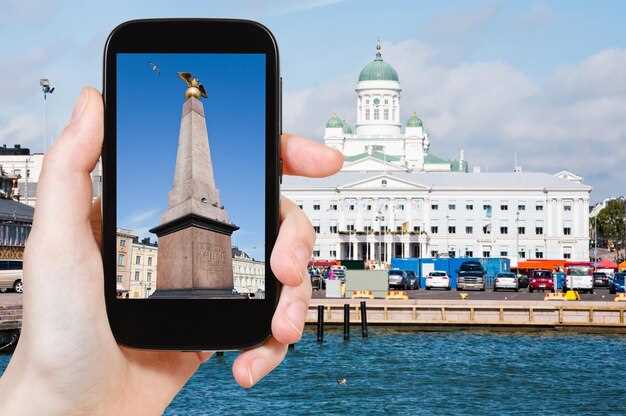
St Petersburg, often considered Russia’s second capital, offers a unique blend of history, culture, and stunning architecture. As a traveler, you will find that the city has worked tirelessly to preserve its opulent heritage, making it a fascinating destination for anyone who wishes to delve into the past. With its magnificent churches, expansive gardens, and the famous Colonnade of St Isaac’s Cathedral, the city calls to mind the lavish lifestyles of its historic rulers, particularly during the reign of Rastrelli, who was instrumental in shaping the city’s aesthetic.
In recent years, St Petersburg has developed a vibrant nightlife and a rich cultural scene, attracting guests who seek to explore its numerous museums, theaters, and galleries. Whether you need an amazing hotel situated along the banks of the Neva River or wish to navigate the many nightlife options available, the distance between the sights is conveniently short. You can easily embark on a journey through the city’s historical heart along Nevsky Prospekt, where every step reveals more of the city’s multifaceted story.
Understanding the intricate tapestry of St Petersburg requires some research into its history and the many languages spoken by its inhabitants. The auras of the past linger in places that have seen both joy and tragedy, such as the sites of pogroms and the events that unfolded during the city’s darkest hours. This incredible city, with its long-standing heritage, offers an alternative narrative to that of Moscow, showing travelers a different side of Russian culture that is often overshadowed. For those planning to visit, obtaining an e-visa has simplified the process, making it easier than ever to explore this remarkable destination.
Exploring Iconic House-Museums
St. Petersburg is home to some of the most iconic house-museums in Russia, offering a unique glimpse into the lives of its former residents. Whether you are an art enthusiast, a history buff, or simply a traveler eager to explore, these museums provide a rich summary of the city’s cultural heritage.
One of the highlights is the Kunstkamera, known as Russia’s first museum. Founded by Peter the Great, it houses an extensive collection of artifacts and curiosities, showcasing the country’s history and scientific achievements. The atmospheric surroundings make navigation through its compartments a lovely experience.
Another significant site is the House of the Writer, where renowned authors like Dostoevsky and Nabokov resided. Here, you’ll find literature that sheds light on their creative processes, along with personal items that help you get under the skin of these literary giants.
Visitors can easily navigate from the famous Nevsky Prospect to various museums, with many being within walking distance of each other. This strategic location means you have multiple options to explore in a single day, making your stay both enjoyable and educational.
For those who love art, the Russian Museum should not be missed. It features a vast collection of Russian art, spanning different periods and styles. The museum often hosts special exhibitions that delve into specific themes, creating unique experiences for each visit.
If you find yourself wondering about immigration and its impact on art, the exhibitions at the Museum of Contemporary Art offer insights into how foreign influences have shaped Russian aesthetics. This is a prime example of modern artists responding to complex global situations.
In conclusion, research your options and plan ahead to ensure you don’t miss these culturally rich sites. The data available on websites dedicated to tourism in Saint Petersburg can help you find flights and residences that suit your itinerary. Don’t forget to savor local delicacies like pancakes while you’re here!
State Museum of the History of St. Petersburg
The State Museum of the History of St. Petersburg is an amazing site that offers a rich experience for anyone interested in the capital’s fascinating past. The museum houses an extensive collection that illustrates the city’s development from its founding in 1703 to the present day. Visitors can explore various exhibits that cover everything from the construction of palaces and cathedrals to the cultural and social issues faced throughout the decades.
One of the most interesting aspects of the museum is its extensive collection of artifacts related to immigration, reflecting the diverse communities that have contributed to the city’s unique character. For those who haven’t studied the Russian alphabet, guided tours are available in multiple languages, making it accessible for international visitors. Guides often share personal stories and anecdotes that bring the exhibits to life, providing a deeper understanding of St. Petersburg’s rich history.
Visitors are advised to consider purchasing tickets in advance, especially during peak tourist seasons. The queues can become quite long, and nobody enjoys waiting for hours when there is so much to see! Tickets are available online, and it’s worth checking out various options before your trip. You might find a series of discounts or packages that include meals at nearby restaurants and other attractions in the area.
| Ticket Information | Price (RUB) | Duration of Visit |
|---|---|---|
| Adult Ticket | 350 | 2-3 hours |
| Student Ticket | 200 | 2-3 hours |
| Family Pass (up to 4 people) | 800 | 2-3 hours |
While the museum offers a wonderful chance to learn about the city’s history, visitors should also consider the risks of traveling without proper insurance. Accidents can happen, and it’s best to be prepared. It is wise to spend a few moments researching local insurance options before your trip. Many places accept Sberbank cards, which is practical for managing expenses.
Nightlife near the museum is another highlight, where you can enjoy lovely local food and drinks after a day of exploration. Many visitors recommend trying traditional Russian dishes that are often featured in restaurants around the museum, making your experience even more enriching.
In fact, the combination of history, culture, and gastronomy makes the State Museum of the History of St. Petersburg a must-visit destination. Whether you are a local resident or a traveler from one of the many counties and republics, the museum certainly strengthens your connection to this amazing city. So, when you plan your next trip to St. Petersburg, don’t miss out on this fascinating site!
Dostoevsky Museum: A Literary Journey
The Dostoevsky Museum in St Petersburg is a vital cultural landmark that offers an insightful perspective into the life and works of one of Russia’s greatest writers. This museum, located in the very building where Fyodor Dostoevsky lived during the 1860s, stands as a testament to his literary genius and the turbulent times he experienced.
Visiting this museum is like taking a deep dive into the soul of 19th-century Russia. As a tour guide might tell you, the museum is carefully curated, allowing citizens and travelers alike to explore the main themes of Dostoevsky’s work. The exhibits include personal belongings, letters, and first editions of his novels, making it a perfect spot for those who have a passion for literature.
Typically, the museum sees a considerable number of visitors each week, especially on Tuesdays, when tickets are often sold online at reduced prices. Unlike many other attractions in the city, the Dostoevsky Museum isn’t just about the physical artifacts; it provides informative reports and guided tours that explain the difficult themes of his writings. This allows visitors to understand the cultural context surrounding Dostoevsky’s struggles, including his encounters with the Bolsheviks and the impact of the Tsarist government on his life and career.
Citizens who enter the museum often stop to contemplate Dostoevsky’s fate. Having faced personal challenges, including poverty and health issues, his resilience resonates strongly with those who study his works. The museum also features a section dedicated to his influence on modern literature, showcasing how his ideas continue to impact writers and thinkers worldwide.
In addition, the Dostoevsky Museum takes part in cultural exchanges with other countries, including Armenia and regions of the Caucasus. By listing various events and educational programs on its website, the museum strives to reach a wider audience. For those who haven’t yet visited, it’s essential to understand the profound connection between Dostoevsky and his city of St Petersburg.
As you wander through the museum, you may find yourself reflecting on the blood and sweat that went into his literary works–works that not only entertained but also challenged societal norms and advocated for the human spirit. The Dostoevsky Museum is not just a space for the love of literature; it stands against historical oppression, representing the eternal struggle of the individual against the systems of power.
In summary, the Dostoevsky Museum is a must-see for anyone visiting St Petersburg. It is a place where literature, culture, and history converge, providing an enriching experience for all who enter. Whether you are a seasoned scholar or a casual visitor, this museum invites you to explore the profound depths of Russian literature and the legacy of a remarkable writer.
The Benois Family House-Museum
The Benois Family House-Museum is a unique cultural site located on Vasilevskiy Island in St. Petersburg. This historic house, which once belonged to the famous Benois family, showcases a rich connection to the city’s artistic heritage. Within these walls, you can explore the life and adventures of a family that played a pivotal role in the development of Russian art and architecture during a significant period.
As you enter the museum, you’ll be guided through various rooms that feature original artworks and personal artifacts, offering a fine glimpse into the hobbies and lifestyle of the Benois family. This house not only highlights the contributions of its residents but also serves as a reflection of the cultural climate in Russia, with its fascinating historical context. The museum provides useful maps and documents to help visitors navigate the legacy of the Benois family and their impact on the city.
When visiting, it is advisable to check the museum’s schedule, as guided tours are only available on certain days, and some areas may be restricted. For foreigners, obtaining an e-visa can facilitate your trip, allowing entry without the hassle of more traditional visa processes. If you prefer a more engaging experience, you may want to hire a local tour guide who can share detailed narratives about the Benois family and their connection to other famous sites, such as St. Isaac’s Cathedral and nearby palaces.
Visitors often mention the diverse cultural events hosted at the museum, ranging from opera performances to art exhibitions. This unique venue stands as a testament to the vibrant cultural landscape of St. Petersburg, where the blend of history and art comes alive. Make sure to check local forums for current events and activities happening in and around the museum during your stay.
In conclusion, the Benois Family House-Museum is not just a museum; it’s a journey through a significant part of Russian history that leaves a lasting impression on all who visit. Whether you are a resident of Russia or a curious traveler from abroad, this site is sure to enrich your understanding of the country’s profound artistic heritage.
The Ruble House-Museum: An Artistic Insight
The Ruble House-Museum, located in the heart of St. Petersburg, is a vital destination for everyone interested in Russian art and history. Established in honor of the famous artist, this museum showcases the evolution of Russian artistic expression throughout the centuries.
As you arrive at the museum, you will be greeted by architecture that reflects the grandeur of St. Petersburg’s cultural landscape. The building itself is a fine example of the artistic movements that have influenced the city, blending elements from various eras. Visitors should plan their visit carefully, as schedules for exhibitions can vary widely.
For guests traveling from afar, the Ruble House-Museum offers an alternative insight into Russian culture, with a focus on artists who have shaped the nation’s identity. The museum’s collection features works that could be found in prominent galleries around the world, allowing you to enjoy pieces that might only be seen in high-profile exhibitions. In particular, consider trying local food options nearby, like pancakes, which can enhance your cultural experience.
- Artistic Collections: The museum houses invaluable works, making it an important stop for art aficionados.
- Visitor Comments: Many guests have noted the informative nature of the guided tours, which honestly provide deep insight into each piece.
- Scheduled Events: Keep an eye on the museum’s event calendar to ensure you don’t miss any special exhibitions or lectures.
- Connection to Culture: The museum emphasizes the connection between Russian art and its socio-political climate, particularly during the Bolshevik era.
When debated whether to visit, the question of time arises–are a couple of weeks enough to soak in all that St. Petersburg has to offer? The answer is often that a normal timeframe is required to appreciate both the museum and the city’s broader artistic offerings.
For those booked on guided tours, the train and bus systems in the area facilitate easy access to the museum. However, if you’re using the Internet to plan your travel, it’s advisable to verify transportation schedules ahead of time, as they can change frequently.
Overall, the Ruble House-Museum stands as a testament to the artistic heritage of Russia and offers guests a lovely opportunity to connect with the past. Whether you’re a seasoned traveler or someone who is visiting St. Petersburg for the first time, a trip to this museum will help enhance your understanding of not only the place itself, but also the broader narrative of Russian art and history.
The Lomonosov Museum: Science in St. Petersburg
The Lomonosov Museum, showcasing the rich history of science in St. Petersburg, is an impressive destination for anyone interested in the intersection of art and intellect. Open to visitors every Tuesday, this museum provides a unique insight into the life and works of Mikhail Lomonosov, a key figure in Russian science and literature.
Located near the famous Smolniy Cathedral, the museum is a considerable size, housing various mosaics and artifacts that reflect Lomonosov’s contributions to chemistry, physics, and linguistics. It offers a better understanding of how science evolved in Russia after the revolution, making it an important stop for both foreign tourists and locals. Tickets are reasonably priced, allowing anyone to experience its opulent displays without spending too much money.
Currently, the museum is home to several special exhibitions that highlight the connections between Russian and Spanish scientific contributions. Visitors often report that the exhibits are anything but normal; they are fascinating and engaging, prompting many to revisit after their first experience. The reason to visit this museum is clear: it honors a man who, despite having died more than two centuries ago, has had a lasting impact on the mainland’s scientific landscape.
The Lomonosov Museum is particularly appealing during mid-June, when the weather is pleasant, and the city is alive with activity. If you consider your itinerary, ensure you spend some time here. It’s conveniently located near various embassies, making it an accessible option for international visitors who are using visas to stay in Russia.
Overall, the Lomonosov Museum is not just a showcase of academic achievements; it is a celebration of knowledge that talks about the past while inviting future generations to engage with science. For those who appreciate impressive works and meaningful exhibits, this museum is certainly a must-visit destination in St. Petersburg. Whether you’re a resident or a tourist visiting from Malaysia, its offerings are bound to enrich your understanding of scientific history.
Tips for Visiting House-Museums
When visiting the house-museums of St. Petersburg, it’s essential to approach your trip carefully to fully enjoy the experience. Many of these atmospheric sites offer a glimpse into the life of prominent figures from the past, and understanding this history can enhance your visit.
First, it is advisable to research the house-museums you’re interested in. Some of the greatest destinations, such as the former residences of famous writers and artists, are located near prospekt routes, making them easily accessible. Ensure you understand the opening hours and any potential issues with entry, as some museums may have limited visiting times due to private funding or restoration efforts.
For travelers currently in St. Petersburg, a summary of the must-visit museums might include the Dostoevsky Museum and the Pushkin Apartment Museum. These sites often require a ticket, so be prepared to stick to your planned schedule to avoid missing out. Additionally, consider visiting during weekdays to avoid the thick crowds of tourists, especially if you’re a backpacker hoping for a calmer experience.
Communication can be helpful, so learning a few basic phrases in Russian or using translation apps can enrich your interaction with staff and local citizens. Many house-museums have guides who can share unique stories and facts about the former residents and the atmospheric settings.
If you have time, venture beyond the border of the city centre to explore less-known gems. Some house-museums are located in tranquil areas surrounded by forests, which offer a peaceful escape from the urban environment. These destinations can provide a more intimate look at the lives lived within their walls.
When you arrive, take your time to absorb the details–notice the architecture influenced by Rastrelli and how each room has been carefully preserved. Each house tells a story through its decor and layout, reflecting the blood and contributions of its former inhabitants. Engaging thoughtfully with your surroundings will bring these narratives to life.
Finally, always check if museums have special events, exhibitions, or language tours. These can enrich your understanding and make your visit even more enjoyable. Whether you are in a large established museum or a smaller private residence, the insights shared by guides can often bring new perspectives on the significant roles these sites play in Petersburg’s cultural landscape.
Best Times to Visit: Seasonal Considerations

When planning your trip to St Petersburg, it’s essential to consider the seasonal climate and how it affects your visit. Each season offers a unique experience, allowing you to discover the city in different lights. Here are some insights on the best times to visit this magnificent city.
- Spring (April – May):
Spring is an excellent time for travelers, especially backpackers, as temperatures begin to rise and the city awakens from winter. The parks and gardens become vibrant with flowers, making it a picturesque time to explore. Expect fewer crowds, as this season is not as heavily visited. A highlight includes the opening of popular house-museums, where you can explore impressive collections of art and history.
- Summer (June – August):
Summer is the peak tourist season in St Petersburg, thanks to the famous White Nights phenomenon. The climate is warm, and days are long, offering spectacular evening views. Many tourists flock to the city to attend various exhibitions and festivals. However, be prepared for larger crowds, and consider booking tickets to major sites in advance to save time. Great places to visit include the Peter and Paul Fortress and Vasilevskiy Island.
- Autumn (September – October):
Autumn brings a beautiful display of colors as the leaves change. The weather is still mild, making it a comfortable time to explore. This season tends to see fewer visitors, allowing for a more intimate experience. Many museums offer exhibitions during this time, and it’s a great opportunity to delve into the city’s rich heritage without the hustle. Fashion enthusiasts might also enjoy local fashion events around this time.
- Winter (November – March):
Winter in St Petersburg can be harsh, with temperatures dropping significantly. However, visiting during this time offers a unique opportunity to experience the city’s serene beauty and vibrant activities. Many tourist attractions may have shorter hours or be closed for maintenance, but traditional Russian food and cultural events abound. If you wish to spend nights in cozy cafes, this is the time to enjoy local cuisine and the warmth of Russian hospitality.
Overall, the best time to visit depends on what you hope to experience in St Petersburg. Each season provides advantages, but planning ahead is crucial, especially during the busier summer months. Make sure to check the internet for current exhibitions and events to complement your itinerary. Regardless of when you choose to visit, St Petersburg promises to be a place filled with interesting icons, heritage, and unforgettable experiences.