


 English (UK)
  Русский
  বাংলা
বাংলা  العربية
  日本語
日本語  한국어
한국어  Magyar
  Norsk nynorsk
  Türkçe
  עִבְרִית
  Español
  Čeština
  Svenska
  Português
  Ελληνικά
  Suomi
Suomi  Nederlands
  Română
  Italiano
  Français
  Polski
  Українська
  Deutsch
  简体中文
简体中文  Slovenčina
  Српски језик
  اردو
اردو  Azərbaycan dili
  O‘zbekcha
  አማርኛ
አማርኛ 
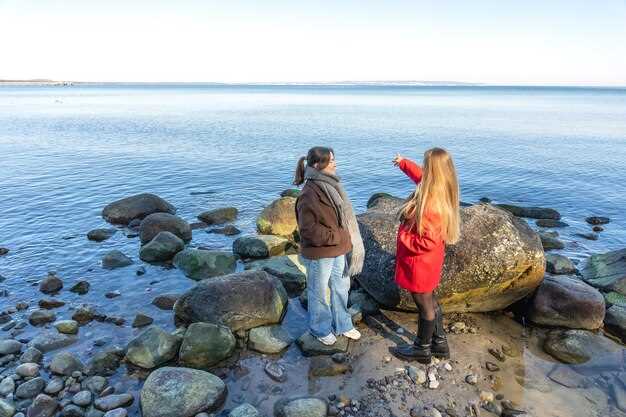
The Baltic Sea has long been a region where diverse cultures and histories were intricately woven together. When you set foot in Estonia, Latvia, or Lithuania, you’ll find yourself amidst a tapestry of landscapes and peoples, each with their own unique stories to tell. This guide aims to illustrate the beauty and richness of the Baltics, providing you with a roadmap for exploring its many treasures.
From the enchanting villages nestled among lush forests to the vibrant cities that pulse with life, the Baltic states offer an inspirational journey for travelers. In spring, the land awakens with delightful colors, while the islands beckon with pristine beaches and a sense of adventure. We will explore everything from traditional Estonian herring and smoked salmon to the political heritage that shaped this region since the revolution. Each culinary experience tells a tale of history, freedom, and the myriad influences that make the Baltics a unique blend of flavors.
Whether you’re wandering through the cobbled streets of the capitals or enjoying a walking tour in the picturesque Latgale region, this guide provides essential insights into your Baltic road trip. For those seeking LGBTQ-friendly experiences, as well as good parking and public transfers, we’ve covered all the bases to ensure your visit is as smooth as possible. With a million inspiring photographic opportunities, you won’t want to miss the chance to capture the essence of the Baltic Sea and its remarkable heritage.
Exploring the Curonian Spit: Natural Wonders and Activities
The Curonian Spit, a UNESCO World Heritage Site, is a unique coastal strip stretching between Lithuania and Russia, creating a natural boundary that separates the Curonian Lagoon from the Baltic Sea. This stunning region is rich in history and environmental diversity, making it one of the largest natural attractions in the Baltics.
With its honey-colored dunes and lush forests, the Curonian Spit provides a cool climate that is ideal for numerous outdoor activities. Here are some highlights and activities you can enjoy during your visit:
- Beach Activities: The wide sandy beaches are perfect for sunbathing in your swimsuit, swimming, and relaxing. You can spend a Saturday enjoying the refreshing waters of the Baltic or simply collecting shells along the shore.
- Nature Trails: Numerous boardwalks and marked paths lead you through the lush landscapes, allowing you to fully immerse yourself in the unique environment. Whether you’re hiking or biking, the trails offer a detailed insight into the flora and fauna of the area.
- Wildlife Watching: The area is home to thousands of species, including migratory birds and unique plant tribes. Bring your binoculars to observe these spectacular creatures in their natural habitat.
- Cultural Exploration: Visit traditional fishermen’s villages and explore the rich history behind the Curonian Spit. Discover how local tribes and communities have fought to preserve their way of life against foreign influences throughout centuries.
- Gastronomic Delights: Indulge in local cuisines, with fresh sprat dishes taking center stage in many eateries. The region’s rich culinary history is both inspirational and delicious, making eating here a unique experience.
- Festivals and Events: Throughout the year, various festivals celebrate the unique culture and heritage of the region. Don’t miss the chance to participate in local traditions that inspire both locals and visitors alike.
The Curonian Spit represents the freedom of the natural world, where human and environmental aspects harmoniously coexist. While exploring this exceptional region, you will encounter historical sites dating back to medieval times, remnants of Stalinist architecture, and stunning panoramic views of the Baltic Coast.
Whether you’re planning a road trip through Latvia and Lithuania or hoping to spend peaceful time in nature, the Curonian Spit will undoubtedly be a memorable stop on your journey through the Baltics. With its breathtaking scenery and rich cultural heritage, this unique destination has something to inspire every traveler.
Understanding the Geography and Climate
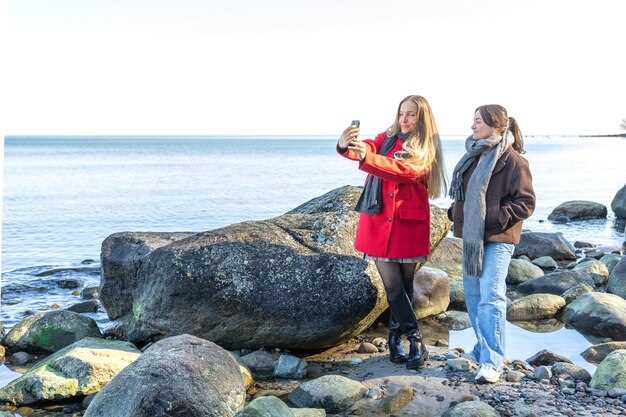
The Baltic Sea region is uniquely positioned along the coasts of Estonia, Latvia, and Lithuania, making it a prime destination for those who appreciate stunning landscapes and rich history. Each of these Baltic countries boasts a diverse geography, featuring everything from bustling modern capitals to tranquil villages and picturesque islands. The coastlines are dotted with charming towns such as Palmse and regions like Latgale, where life is often characterized by its connection to nature.
Estonia’s capital, Tallinn, offers a striking mix of medieval architecture and modern amenities, while Latvia’s cities, such as Riga, and Lithuania’s Vilnius, delight visitors with their vibrant cultures. The geography is complemented by numerous lakes and rivers, as well as fertile plains and forests, providing a rich backdrop for exploration. In addition to these varied landscapes, the Baltics also host a number of islands that showcase their beautiful natural environment.
The climate in this region is predominantly temperate, with four distinct seasons. Spring and early summer (April to June) are particularly pleasant, as you’ll find fresh air and blooming landscapes. This is a great time for those considering tours or holidays, as the weather is favorable for outdoor activities. August marks the peak of summer when many locals and tourists alike flock to the coastline to enjoy sun-drenched beaches. However, it’s advisable to bring a swimsuit and keep in mind that August can be quite busy, especially in popular areas.
As temperatures begin to drop in late autumn and winter, the region can experience harsh conditions, making it a unique time to explore the vibrant urban culture of the capitals. Although the winter months can be cold, they offer an opportunity to engage with local traditions and perhaps enjoy the picturesque winter scenery. It’s also a good time to discover the rich history of tribes that once inhabited these lands, providing a deep cultural experience.
The Balts are accustomed to the changes in climate, and their lifestyle reflects this adaptation. Those interested in understanding the full spectrum of Baltic life should consider visiting in different seasons. Many guided trips are available year-round, allowing you to reach various destinations while learning from curated guides who offer detailed information on the local culture and environment.
Tourists will find that the Baltic countries are both accessible and affordable, making them ideal for budget-conscious travelers. From exploring the herring markets of coast towns to mingling with the friendly locals at festivals, the region offers countless ways to meet new people and experience life in a modern context while appreciating its rich heritage.
In summary, understanding the geography and climate of the Baltic Sea region is essential for anyone looking to explore Estonia, Latvia, and Lithuania. With reasonable travel options and an array of experiences available, the Baltics promise a fulfilling journey for every traveler, whether you are seeking adventure or simply a fair escape from the bustle of daily life.
Top Outdoor Activities: Hiking and Birdwatching
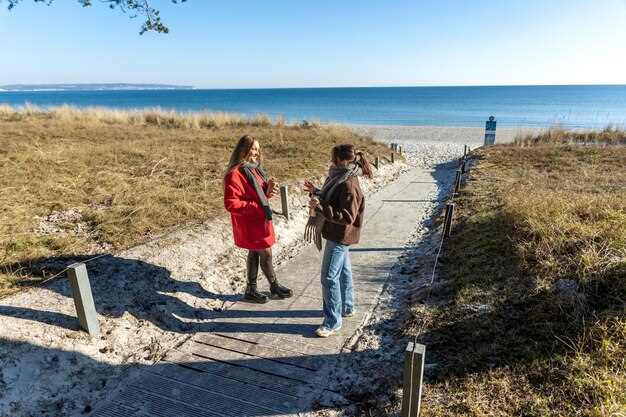
The Baltic Sea region comprises three countries: Estonia, Latvia, and Lithuania. Each of these countries offers curated outdoor experiences that inspire and connect visitors to nature. Among the best activities are hiking and birdwatching, which unveil the rich biodiversity and stunning landscapes of the area.
Hiking in the Baltic countries allows you to explore beautiful forests, tall cliffs, and serene lakes. One of the ideal destinations for hiking is Munamägi, the highest point in Estonia, which provides panoramic views of the surrounding landscape. Trails here stretch into thick birch forests and along honey-colored shores, making every hike a unique adventure.
For those interested in birdwatching, the Curonian Spit in Lithuania should not be missed. This UNESCO World Heritage site is known for its diverse ecosystems and is home to thousands of bird species. Evenings spent here are characterized by the rich sounds of nature, as migratory birds return to roost. Therefore, be sure to keep in mind the best times to visit, which is typically during the spring and fall migrations.
| Activity | Location | Tip |
|---|---|---|
| Hiking | Munamägi, Estonia | Head out early to enjoy the sunrise and beat the crowds. |
| Birdwatching | Curonian Spit, Lithuania | Bring binoculars and be patient; the best views often come with time. |
Understanding the culture of these countries adds another layer to your outdoor adventures. Join in local music events or festivals that celebrate the environment when you explore the Baltic Sea coastline. Such interactions serve as a souvenir of your journey, deepening the narrative of your experience.
In summary, whether you are wandering into lush forests or perched silently by a lake waiting for a glimpse of your feathered friends, the Baltic Sea region offers outdoor activities that enrich your travel experience. With insider tips, crossing trails and landscapes becomes a celebration of nature and adventure. So prepare for your next trip and embrace all that these northern countries have to offer.
Best Spots for Photography: Capture the Beauty
Exploring the Baltic Sea region offers countless opportunities for photographers seeking to capture the essence of Estonia, Latvia, and Lithuania. Each country presents its own unique charm, from historical sites to breathtaking landscapes. One of the best spots to photograph is the Palmse Manor in Estonia, an inspiration for anyone interested in European architecture, where you can marvel at its well-preserved buildings and lush gardens.
In Latvia, the capital city of Riga stands out with its stunning Art Nouveau district. Walking through the streets, you’ll find hundreds of photo-worthy spots, each with distinct features that reflect the country’s identity. A sunny Saturday in summer is an ideal time to explore this area and celebrate the vibrant culture.
Moving to Lithuania, the Aukštaitija National Park offers wide expanses of natural beauty, perfect for capturing stunning images of various species and serene lakes. This country showcases its rich landscapes and layers of history, making it a good destination for those who enjoy outdoor photography.
As you plan your holiday, consider taking flights that provide stunning aerial views of the region. Imagining the landscapes from above can inspire your next photography adventure. Pack your gear and prepare to create an illustrated journey through these three nations, capturing elements that make them memorable.
Each destination not only provides picturesque views but also an opportunity to reflect on cultural heritage. The blend of historical and modern aspects seen in these capitals will enrich your portfolio, giving a true sense of the evolving landscape of the Baltic nations. Remember, each mile you travel is a chance to experience something new, making your photography journey one filled with discoveries.
Transitioning Between Estonia, Latvia, and Lithuania: Travel Tips
Traveling between Estonia, Latvia, and Lithuania offers a unique perspective on the Baltic region’s rich history and vibrant culture. Here are essential tips to make your journey seamless and enjoyable.
- Transport Options: All three nations boast well-connected transport chains. Buses and trains run frequently, providing an efficient way to navigate between capitals. Consider purchasing tickets in advance for the best prices.
- Crossing Borders: You’ll find that moving between these countries is easy, with little to no border control. Ensure you have your ID or passport ready while crossing, especially if you’re heading outside the Schengen Zone.
- Timing Your Visit: The best time to explore is during July and August when the weather is warm. Enjoy the honey-colored beaches, dunes, and coastlines while locals and tourists indulge in outdoor activities.
- Unique Experiences: Engage with local traditions. Visit Rundāle Palace in Latvia and the historic Palmse Manor in Estonia. Both sites provide a glimpse into the opulence of past times and are illustrated well in detailed travel guides.
- Food and Culture: Taste historical culinary delights. Estonians, Latvians, and Lithuanians share some food similarities but also have unique tastes to offer. Be sure to try traditional dishes such as Kulebiaka in Estonia and Grey peas with bacon in Latvia.
- LGBTQ Friendly: All three nations are generally welcoming and have progressive policies regarding the LGBTQ community. Major cities like Tallinn, Riga, and Vilnius host occasional pride events and festivals that celebrate diversity.
Packing tips: Don’t forget your swimsuit if you’re planning to visit the beach! In August, the weather is pleasant enough for swimming in the Baltic Sea. Bring high-quality hiking gear if you’re exploring the extensive nature trails and gardens.
If you’re planning a longer stay, consider downloading local apps that provide insider information on the best experiences, events, and places to walk. Local essays and historical accounts are good companions for a deeper understanding of the lands you visit.
Each nation offers hundreds of opportunities for adventure, relaxation, and cultural immersion. By following these travel tips, your transition between Estonia, Latvia, and Lithuania will be smooth and rewarding.
Cultural Insights: Local Traditions and Festivals
The Baltic Sea region, particularly Estonia, Latvia, and Lithuania, is rich in cultural heritage and traditions, forming a delightful tapestry that defines local identity. Each year, various festivals allow visitors to experience the vibrant customs of these nations, which are often rooted in centuries of history.
In Estonia, the Midsummer Festival, known as Jaanipäev, lights up the longest days of the year. Locals, often dressed in traditional costumes, celebrate with bonfires, songs, and dances that echo ancient customs. It makes for a perfect night on the beaches, where the sounds of laughter blend with the gentle waves.
In Latvia, the summer solstice festival, Jāņi, offers a similar experience, where groups of friends and families gather to celebrate with songs, folk dances, and the ritualistic weaving of flower crowns. The picturesque towns of Daugavpils and Palanga become vibrant hubs filled with music and laughter, making it an unforgettable experience for those wandering along the coastal roads.
Lithuania hosts the Užgavėnės festival, marking the end of winter and the arrival of spring. This lively event features traditional masks, hearty food, and the joyful sound of people singing and dancing. A key highlight is the symbolic burning of the Morė (winter figure) to beat away the cold, bringing forth the new season with a bang of celebration.
In Kaunas and other significant locations, guided tours provide insights into the rich history and heritage behind these traditions. Visitors can purchase local crafts and gifts, supporting the artisans who keep these customs alive. The road trips through these countries are filled with cool sights and practical parking options, allowing easy access to both cultural venues and nature spots.
Estonia’s Saaremaa Island and the beautiful lakes found in Latvia remain well-kept secrets for travelers seeking a little more tranquility. These hidden gems allow you to immerse yourself in nature while still experiencing local traditions. Don’t forget your swimsuit if you plan on taking a dip in the waters!
With a curated list of festivals and events throughout the year, it’s easy to encounter rich cultural celebrations. Whether you’re enjoying the coastal beaches or wandering through historical sites, the essence of Baltic traditions is evident everywhere. Plan your visit during these festivities to see firsthand what makes this region one of the most delightful and culturally vibrant places in the world.