


 English (UK)
  Русский
  বাংলা
বাংলা  العربية
  日本語
日本語  한국어
한국어  Magyar
  Norsk nynorsk
  Türkçe
  עִבְרִית
  Español
  Čeština
  Svenska
  Português
  Ελληνικά
  Suomi
Suomi  Nederlands
  Română
  Italiano
  Français
  Polski
  Українська
  Deutsch
  简体中文
简体中文  Slovenčina
  Српски језик
  اردو
اردو  Azərbaycan dili
  O‘zbekcha
  አማርኛ
አማርኛ 

Andalucía, the famed region in the south of Spain, is a captivating tapestry of history, culture, and natural beauty. Perched between the majestic Sierra Nevada mountains and the sparkling Mediterranean coastline, this vast area is known for its stunning landscapes and rich traditions. With its whitewashed towns and olive groves, Andalucía offers a fresh perspective for those seeking to experience the essence of Al-Andalus.
The constant rhythm of life in Andalucía brings an impressive blend of cultures, with influences from Roman, Moorish, and local traditions. The crisp air in the mountainous northeast invites you to explore remarkable destinations, such as Capileira, where the stunning altitude enhances the impact of the breathtaking scenery. Every corner holds a surprise, from the grandest national parks to the hidden gems of lesser-known towns.
If you want to indulge in the finest local food, you will find no shortage of options. From almonds to olives, the culinary highlights are as diverse as the landscapes. The cost of renting property or enjoying a delicious meal is surprisingly affordable, making it feasible for travelers to savor the sunny atmosphere while drinking in the sights. Attractions like Baelo and the charming town of Aracena demonstrate the variety and beauty that make Andalucía a must-visit destination.
Whether you’re dancing the night away at a local fiesta or climbing the historical pathways that tell tales of bygone eras, your journey through Andalucía will be nothing short of fantastic. Note that each experience, from the little villages to the bustling cities, contributes to an impressive overall narrative, inviting visitors to engage deeply with this vibrant region of the world. Finally, don’t miss the chance to walk along the stunning walkways overlooking the mountains, creating memories that will linger long after you leave this enchanting land.
Exploring the Rich History of Andalucía
Andalucía, located in the southern part of Spain, is a region known for its rich history and cultural heritage. From the Iberian civilizations to the Moorish influences, the history of Andalucía offers travelers a myriad of experiences that are both educational and enchanting. This region has been shaped by a number of cultures over the years, creating a unique blend of traditions, architecture, and cuisine that you’ll find nowhere else.
The cities of Andalucía tell stories of valor and passion, particularly in places like Sevilla and Cádiz. In Sevilla, the palaces of the past, such as the infamous Alcázar, serve as reminders of the royal presence that once graced the land. In contrast, Cádiz, bordered by the Atlantic Ocean, features boardwalks that continue to preserve the city’s maritime history while offering a pleasant stroll amongst its picturesque seaside views.
Many of the historical sites are linked to significant events and races throughout the ages, like the discovery of the New World and the conflicts that followed. You’ll find that each corner of Andalucía, from the dangerous cliffs of Gibraltar to the serene Alpujarras mountains, has its own distinctive story. A trip through the region can include guided tours that delve deep into this past, allowing you to immerse yourself in the wonders of Iberoamericana heritage.
Travelers can take advantage of the extensive train network, which connects major cities and makes it easy to explore the numerous sights. Expect the heat of summer, particularly in June, but the autumn months offer a cooler climate that enhances the experience without costing much. Various airports throughout Andalucía provide convenient access, ensuring that exploring this captivating region is accessible for everyone.
A unique aspect of Andalucía’s history is how it has influenced the cultural and culinary landscape of Spain. The region is celebrated for its vibrant cuisine, which is deeply rooted in ancient recipes that have been passed down through generations. Popular dishes often include locally sourced ingredients, reflecting the natural bounty of the region, including its famous wines from the area around Jerez de la Frontera and Sanlúcar de Barrameda.
In summary, a journey through Andalucía offers an engaging look at the layers of history that have created this southern jewel. Whether you find yourself gazing at the black marble of ancient churches or tracing the footsteps of workers who built its impressive architecture, every visit establishes a connection to the past. Today, this region stands as a testament to the resilience and richness of its cultural heritage, promising to share its stories with those eager to listen.
Key Historical Events That Shaped the Region
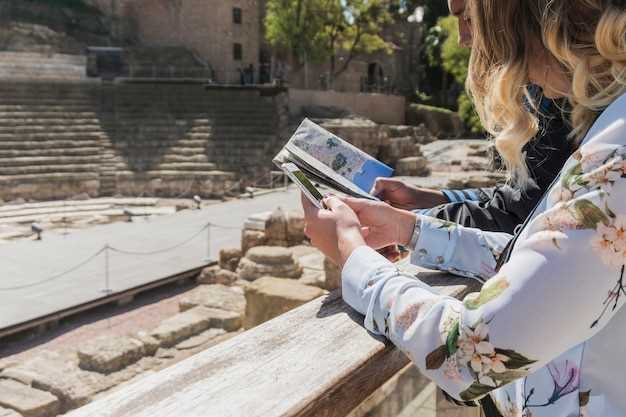
Andalucía is a region steeped in history, where each corner tells tales of past civilizations and cultures. The following key events have significantly impacted the development and character of this vibrant area:
-
Roman Conquest (218 BC): Andalucía’s strategic location made it a vital border for the Roman Empire. The establishment of cities like Córdoba and Jaén became important sights filled with monumental buildings, including temples, theaters, and later mosques.
-
Arab Rule (711-1492): After the Muslim conquest, Andalucía became a center of culture and knowledge. The construction of the Great Mosque of Córdoba and the Alhambra in Granada are some wonders from this period. This era brought intense cultural exchange and development, shaping the region’s identity through shared traditions and agricultural practices, such as the cultivation of oranges.
-
Reconquista (1248): The Christian reconquest of Córdoba was a significant turning point, marking the end of Muslim rule. The blending of cultures continued, as both Muslim and Christian influences remained visible in architecture and customs, creating a unique atmosphere in cities like Vejer de la Frontera.
-
Spanish Civil War (1936-1939): Andalucía was a focal point in the struggles of the Civil War. The impact of this conflict is still evident in the narratives of local villages. The scars of war have left an indelible mark on the social fabric of the region, influencing contemporary culture.
-
Modern Tourism Development (Late 20th century): The boom in tourism transformed the economy and infrastructure of Andalucía. With improved transportation systems and enhanced services, the region became a must-visit destination. Today, the camino trails, hiking routes, and captivating natural landscapes draw millions of travelers each year.
These historical events are just a few examples of how Andalucía has evolved over the centuries. Each era brings layers of culture and history that continue to influence modern life in this southernmost region of Spain. As you explore the hidden corners, ancient buildings, and forests, remember that the past is always present in the vibrant culture of Andalucía.
Famous Historical Landmarks You Can’t Miss
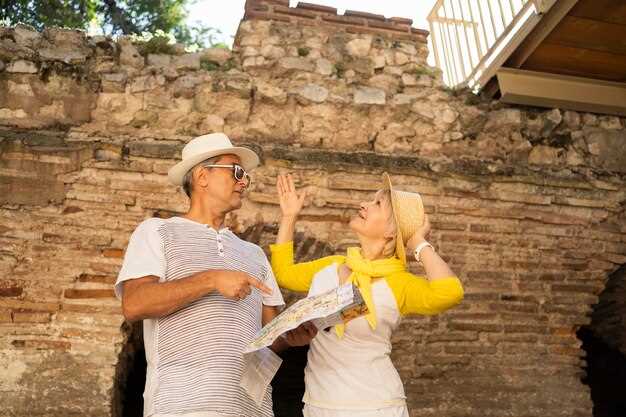
Andalusia, with its diverse cultures and rich history, offers a plethora of famous historical landmarks that are essential for any traveler. Among these, the stunning Alhambra in Granada stands out, becoming a UNESCO World Heritage site due to its intricate architecture and gardens that preserve the tales of the Nasrid dynasty. Visiting Alhambra allows you to appreciate the detailed design and explore its massive complex, making it a top destination.
Another must-see is the Mezquita-Catedral in Córdoba. This historical landmark reflects the city’s Islamic and Christian heritage through its unique architecture. Originally constructed as a mosque, it became a cathedral in the 13th century, symbolizing the constant cultural exchanges between different religions that shaped Andalusia’s identity.
| Landmark | Location | Historical Significance |
|---|---|---|
| Alhambra | Granada | Palatial fortress of the Nasrid kings |
| Mezquita-Catedral | Córdoba | Symbol of religious transformation |
| Giralda Tower | Sevilla | Former minaret, now bell tower of the Cathedral |
| Roman Theater | Málaga | Ancient theatre dating back to the 1st century BC |
In Sevilla, the Giralda Tower awaits your exploration. Originally built as a minaret, it now stands as a symbol of the city’s historical layers, showcasing exceptional Mudéjar architecture. The views from the top provide a breathtaking panorama of the surrounding plains.
Lastly, the Roman Theater in Málaga draws visitors with its well-preserved ruins that highlight the ancient history of the region. Each of these landmarks tells unique stories about the cultures that developed in Andalusia over time.
Exploration of these sites is likely to deepen your understanding of the region’s overall culture and history. Whether you choose to stay in traditional Airbnb accommodations or opt for other transport modes, planning your trip towards these historical landmarks ensures a fulfilling experience. So, keep these destinations in mind during your travels, especially if you’re taking a trip around Easter when many festivities celebrate Andalusian culture, including vibrant flamenco performances.
The Influence of Moorish Architecture
The architectural landscape of Andalucía is profoundly shaped by its rich Moorish history, which left an indelible mark from the 8th to the 15th century. This influence can be observed in the spectacular buildings and fortresses that dot the region, creating a fascinating blend of cultural elements that continue to captivate visitors.
Moorish architecture is characterized by its fine details, intricate tile work, and elaborate arches, which invite exploration and encourage a deeper appreciation for this unique style. Key sites such as the Alcázar of Seville and the Alhambra in Granada showcase the essence of this movement, offering a glimpse into a time when Muslim engineers and artisans pushed the boundaries of creativity and design.
These architectural wonders not only serve as tourist centres but also play a crucial role in preserving historical narratives. In quieter areas like the Alpujarras, you can find charming whitewashed villages that contain remnants of Islamic architecture, providing a stark contrast to the bustling cities. Here, hiking paths wind through rural settings, allowing visitors to experience the landscape that influenced traditional building techniques.
The relationship between Moorish architecture and the local environment is particularly noteworthy. Alhambra’s courtyards are filled with lush gardens and fountains, representing a seamless integration of the natural world into human design. This connection is something else that differentiates Andalusian architecture from styles elsewhere in Spain, which often gloss over these essential elements.
During summer months, particularly in July and August, many flock to España’s playa resorts, yet it is in the cooler seasons that the rich tastes of local foods and wines can be fully appreciated. Sampling regional dishes that feature almonds, olives, and other local delights provides a necessary cultural context that enhances a trip to see architectural marvels.
For those with a keen interest in history, renting a car to explore Andalucía’s hidden corners and major cities like Córdoba and Antequera can be particularly helpful. This setting enables you to appreciate the enduring legacy of Moorish architecture from different perspectives, while hiking or engaging in windsurfing can provide an adventurous break from traditional sightseeing.
Ultimately, the influence of Moorish architecture in Andalucía is not merely a visual phenomenon; it evokes a feeling of connection to the past, something that visitors should expect and seek when traveling through this remarkable region. As you explore the intricate interplay of history and culture, you will discover that there is nothing dangerous about embracing clichés, for they often contain valuable insights into the essence of a place.
Diving into the Local Culture
Andalucía is a region that boasts a rich tapestry of cultural influences, where the echoes of the Moors and the vibrancy of Spanish traditions intertwine. A journey into this autonomous community reveals hundreds of towns, each with its unique charm. For instance, Chipiona is renowned for its picturesque plaza and the famous white beaches, which sit comfortably alongside historical sites.
Many visitors will generally find it worthwhile to take a tour of the fortress ruins and splendid courtyards adorned with blooming flowers that bring a couple of these towns to life. The historical architecture is often strung together with the scent of fresh olives from local farms, enhancing the sensory experience of the visit.
Cycling through the valleys and along the coast can lead to spectacular discoveries, allowing one to delve deeper into Andalucía’s cultural wonders. It’s important to note that many significant sites, like the famed marinas and parks, have been preserved for public enjoyment, ensuring that the cultural heritage remains alive.
A visit to the barramedas along the coastline is essential; these traditional fishing ports are not only beautiful but also showcase an intense local lifestyle. You might even catch a glimpse of fishermen bringing in the day’s catch, contributing to the culinary traditions that are celebrated during local festivals.
To truly embrace the spirit of Andalucía, visitors should participate in regional festivals. These celebrations, often marked by lively music and dress, bring people together and create an atmosphere of unity and joy. The vibrant energy can be infectious, offering travelers a unique opportunity to engage with the local culture.
Transportation is another aspect that complements the experience. Train services connect major towns, allowing for easy exploration and making it unnecessary to rely on cars. From the towering mountains in the north to the vast plains dotted with almond trees, the landscapes provide a stunning backdrop for your cultural pilgrimage.
In summary, diving into local culture in Andalucía is not just about visiting sites; it’s an immersive experience that encompasses everything from food to festivals. Whether you’re wandering through ancient streets, or enjoying fresh produce at the market, every moment brings you closer to understanding the heart of this remarkable region.
Culinary Delights: Must-Try Dishes
In the vibrant regions of Andalucía, culinary traditions tell a story of cultural fusion and historical influences. To truly experience this rich heritage, you must dive into the local flavors and must-try dishes. Whether you’re visiting the Moorish palaces of Osuna or savoring seafood along the Costa del Sol, you’ll find exceptional gastronomic offerings that reflect the area’s diverse history.
One of the most beloved dishes is espetos de sardinas, which involves skewering fresh sardines and grilling them over an open flame. These grilled sardines are a staple in coastal towns, especially during local festivals in abril, where you can taste the golden delights right by the sea.
As you explore, don’t miss the chance to try gazpacho, a refreshing cold soup made from tomatoes, cucumbers, and peppers. It’s filled with the flavors of the region’s flora and serves as the perfect antidote to the warm Andalusian climate. This dish acts as a vibrant reminder of the region’s agricultural richness, making it a must for those who want more than just a meal.
For a taste of the past, indulge in platos de migas, a rustic dish that features breadcrumbs fried with garlic and garnished with chorizo, almonds, or even sardines. This dish has roots in the Christian and Moorish communities, showcasing a blend of culinary techniques that have stood the test of time.
Dining options in Andalucía are vast, with something for everyone. Renting an Airbnb or staying at a major port can provide you easy access to local dining. As you travel, remember to take tips from locals about hidden restaurants where you can enjoy exceptional dishes. These eateries often tell a story–a glimpse into the life of the people who have acted as custodians of these culinary traditions.
If you’re passionate about sweets, churros con chocolate provide a delightful treat. Available in various regions, these crispy pastries are perfect for dipping in thick, rich chocolate. Enjoying them on a mountain hike or after a round of golf can make for a truly memorable experience.
Lastly, for those looking for a unique dining adventure, consider taking a boat tour that includes a gourmet meal on the water. This experience not only offers breathtaking views but also pairs carefully crafted dishes with the stunning backdrop of Andalucía’s dramatic coastline.
In summary, each dish in Andalucía carries a piece of history, influenced by the diverse peoples who have inhabited the area. Keep your pace leisurely, and take the time to explore the flavors that make this region so special. Your culinary journey will not only satisfy your palate but also enhance your understanding of Andalucía’s rich cultural tapestry.