


 Deutsch
  English (UK)
  Русский
  বাংলা
বাংলা  العربية
  日本語
日本語  한국어
한국어  Magyar
  Norsk nynorsk
  Türkçe
  עִבְרִית
  Español
  Čeština
  Svenska
  Português
  Ελληνικά
  Suomi
Suomi  Nederlands
  Română
  Italiano
  Français
  Polski
  Українська
  简体中文
简体中文  Slovenčina
  Српски језик
  اردو
اردو  Azərbaycan dili
  O‘zbekcha
  አማርኛ
አማርኛ 
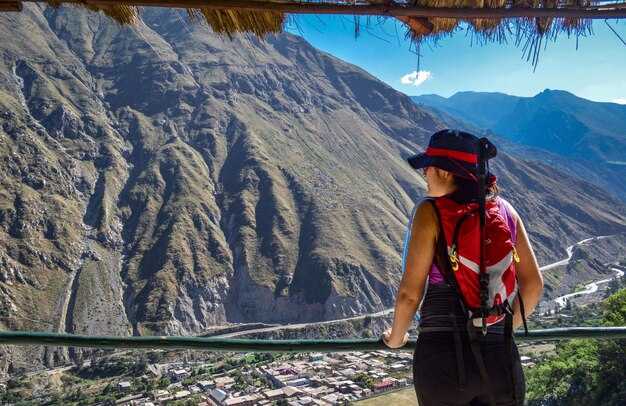
Begin with a dawn flight over nazca lines to grasp their geometry, then follow a compact circuit through Ica’s neoclassical streets to warm up your itinerary and bring memories back. Aerial perspective reveals scale you’ll want to carry back into the day’s explorations.
For photography enthusiasts, the coast offers palm-lined horizons, desert textures, and plazas where residents share crafts; the scene is offering countless photography moments from rooftop terraces to market stalls, despite the dry light that sharpens contrasts.
Nearby valleys host renowned winemaking and the piscos tradition, with harvesting cycles and pre-columbian influences shaping the dish profiles; guided tastings explain the link between grapes and the region’s signature dish, revealing how history informs every sip.
To connect related sites, local operators are offering curated routes that blend nazca vistas with Ica studios; ratsam to reserve a guide who can explain the pre-columbian roots and the ongoing crafts. The itinerary remains merkwürdig und Wert the time.
2-Day Itinerary: Nazca Lines, Huacachina Dunes, and Paracas Day Trip
Reserve a dawn Nazca Lines overflight in advance; the view is truly impressive and the enigmatic figures reveal their origin with magnitude. Each line displays a unique story, so prefer a lightweight aircraft for a smooth ride and crisp displays. The experience gathers people from around the world who want a memorable start, and you’ll return with fresh energy for a transfer to Huacachina for dune-buggy action. The lime-green dunes provide a vibrant, park-like backdrop by the lagoon, a perfect setup to cherish the desert before sunset.
Day 1: Nazca Lines by Air, Huacachina Dunes
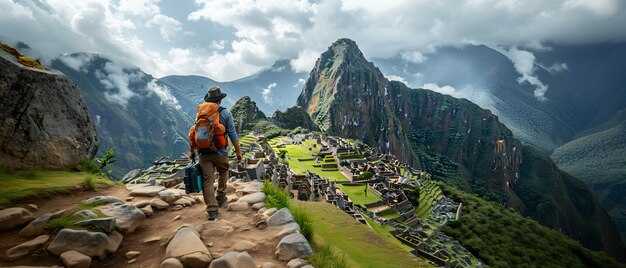
Begin with an early overflight of the enigmatic figures; advance reservations are a must, and the 30–40 minute ride offers impressive views and a clear sense of magnitude. From above, every figure shows a different origin and purpose, making the displays valuable for history-minded travelers. After landing, enjoy a fresh lunch and a short transfer to the Huacachina oasis, where a guided dune-buggy ride sweeps through towering dunes; even novices can manage the ride, and the scenery remains very photogenic. Have a quick stop near the lagoon and consider a glass of local liquor to toast the day before resting at a comfortable hotel nearby.
Day 2: Paracas Day Trip and Ballestas Islands
Morning departure for Paracas and a boat tour to Ballestas Islands to observe marine life such as sea lions, penguins, and a vibrant array of seabirds. The voyage showcases a protected habitat along the rugged coastline and lime-colored cliffs that create spectacular photo opportunities. After the cruise, enjoy fresh gastronomy featuring seafood and locally sourced ingredients; a short walk along the shore lets you observe natural wetlands and the habitat remains intact for future visits. Return with a guide to reflect on conservation, share impressions with other travelers, and plan next steps in advance, if you want to extend the trip or explore more of this coast’s natural wonders.
Nazca Lines from Ica: Flight Booking, What to Expect, and Viewing Tips
Book a licensed flight with a trusted agency at least a few days ahead to secure a seat on a morning slot, when visibility is best and winds are calm.
- Flight booking essentials
- Choose an agency with solid aviation safety records; verify aircraft type and capacity, and ask for a clear total price including taxes.
- Advisable to request a fixed time window and a confirmed seat, then arrange a driver for smooth transfer from your hotel to the airstrip.
- Ensure you understand luggage limits and any weight restrictions, and check if your operator offers a backup plan in case of weather changes.
- What to expect during the flight
- Flights last about 15–20 minutes, covering several kilometers of desert terrain and the famous geometric figures and animal shapes from a birds-eye view.
- The experience can be intense for first-timers, yet many travelers report a great mix of awe and historical context as the crew explains the formations.
- During the ascent, you’ll hear pilots point out key lines; said guides emphasize that visibility depends on light and wind, so be sure to follow safety instructions.
- Viewing tips for the best encounter
- Pick a window seat on the side that offers the clearest lines; both sides provide good vantage, but lighting in the early hours is usually preferable for contrast.
- Take attention to your camera settings: a fast shutter helps preserve sharp silhouettes of artistic patterns as you fly down the coast.
- Remain flexible about the sequence of views; if clouds roll in, flight times may shift, but year-round operations in the region keep options open.
Nearby, the fertile Ica basin presents cultural and historical layers: vineyards and wines, scenic valleys, and a chance to meet local guides who share related stories about the region’s legacy. Visiting this area offers a much broader experience than aerial highlights alone, with many favorite stops that complement the Lines and enhance your understanding of the local spirit and artistry.
Huacachina Desert Fun: Sandboarding, Dune Buggy, and Sunset Photo Ops
Open Huacachina mornings deliver a direct rush: hire a licensed guide, strap into a sandboard, and slide down rolling dunes before the heat climbs. This full experience, called a desert sprint, is memorable and gives you a taste of wind-worn desert life.
The dune buggy circuit is a high-energy ride: a seasoned driver negotiates crest after crest, with clear safety cues and a few thrilling spins. Pause above the oasis for wide, open views and photos that capture the space and light.
Best times are late afternoon toward sunset when the light becomes incredible; colors turn peach, gold, and rose, creating a memorable backdrop for your photos. If you visit yourself, youre sure to come away with a full set of shots.
Plan with comfortable wear: lightweight layers, closed-toe shoes for dune climbs, sunscreen, and a bottle of water; wax for sandboards is provided by most operators and safety gear is standard. The window of ideal light changes by day, anyway, so your guide can tailor the pace to your group.
Beyond thrills, a short stroll around the park area reveals protected dunes and a handful of pre-columbian references, including a geoglyph field tied to regional histories. A century of caretaking keeps the site inviting for places near the oasis that respect the space.
Food options and shade connect with local flavors; some spots offer a taste of regional snacks and a pause near small vineyards. The setting fosters a relaxing, comfortable vibe that lets you admire the moment and share it with friends.
The outing offers a range of moods, ranging from adrenaline to relaxing moments, so you can pace yourself while your group matches the vibe.
To maximize your day, combine the adventure with a visit to nearby oasis-friendly spots and, if interest continues, a look at titicaca legends in regional lore. The sequence of high-energy moves, calm viewing, and sunset photo ops makes this outing fully immersive and open to your own pace; youre sure to collect a memorable experience across many times and settings.
Ica Valley Wine and Pisco Tours: Vineyard Visits and Tasting Experiences
Advisable: reserve a half-day guided visit pairing two nearby vineyards with a dedicated pisco distillery, finishing with a tasting flight that compares styles.
In this arrangement you gain deep insights into ancient vines, visit modern cellars, and observe close-up the craft that transforms humble grapes into celebrated beverages. Whatever your pace, you can tailor the route to your interests and keep the time efficient.
-
Vineyard A: begin at a hillside property with ancient rootstock and a sun-warmed patio. You will see natural soils, irrigation channels, and trellis systems. Expect a guided walk among rows of vines with many varieties, then a tasting of the latest blends directly from the barrel and bottle contents.
-
Pisco center and production: move to a small distillery where copper stills and artifacts reveal preservation techniques. Observe the copper pot stills up close and learn the difference between Nacional, Quebranta, and other piscos. Include a perdidos line if available, with a deep flight of samples so you can compare aromas and finish.
-
Taste pairing and coastal flavors: the tasting room often sits beneath a palm-covered courtyard; light bites featuring fish and seafood pair well with the spirits. You can enjoy a relaxing moment on a shaded terrace and reflect on your preferences with a close-up tasting of two to three choices. The contents of each glass will show how grape base and distillation method shape aroma, body, and aftertaste.
-
Practical tips: time slots run about 3.5 to 4 hours; advisable to book at least a week in advance, especially in high season. Whether you arrive by flight from the capital or drive along the coast, plan for a flexible schedule; many operators offer options for a shorter or longer visit, including a private guide and a personalized itinerary for yourself. The destination is perfect for a relaxing day that you can cherish with friends or family.
Museum and City Sights in Ica: Where to Learn About Local History
Begin with the regional museum for a concise foundation of local history.
Here, the finest exhibits cover Nasca, Paracas cultures; mysterious beauty of desert life; coastal trade; colonial life; maritime artifacts and textiles round out the narrative. Ceramics, textiles, tools, equipment are organized by era, making the progression easy to follow. A short orientation film guides a self-guided stroll through three galleries, each illustrating how communities adapted to desert oasis areas, lagoons, offshore fishing networks. Villagers who were here during shifting trade routes appear in mural panels.
Überprüfen Sie die Spiegelungen der Lagune von der Promenade aus; die Oktobertemperaturen erleichtern die Erkundung der Küste im Freien. Mehrere Stellen bieten einen Blick auf eine ruhige Oase; Strandbrisen vermischen sich mit Marktständen. Hier erscheinen Ica-Artefakte und Wildtiermotive auf Textilien, eine Erinnerung an das Erbe der Region. Die Beachtung der Beschilderung hilft bei der Navigation durch das Material.
Von Cusco aus verfolgen viele Reisende eine gemischte Reiseroute; diese Route verbindet das Erbe des Hochlands mit der Küstenkultur und bietet einen weltweiten Kontext für die Erkundung. Diese Route wurde von Reisenden gelobt.
Für eine lokale Note probieren Sie Piscos im peruanischen Stil; Traubendesserts und kleine Häppchen in der Nähe der Plaza ergänzen die Ausstellungen. Ein kurzer Besuch im Reservat bietet einen Einblick in die Tierwelt entlang der Dünen; bringen Sie eine leichte Jacke für kühlere Temperaturen nach Sonnenuntergang mit.
Abendliche Spaziergänge entlang der Playa nahe der Lagune bieten einen Anblick von geheimnisvoller Schönheit; bei unebenem Untergrund ist auf den Tritt zu achten. In der Dämmerung zeigt sich manchmal die Tierwelt in der Nähe des Reservats.
| Seite | Was es zu entdecken gibt | Tips |
|---|---|---|
| Regionalmuseum | Ausstellungen über die Nasca- und Paracas-Kulturen; maritime Ausrüstung; Textilien; Keramiken | Öffnungszeiten 9:00–17:00 Uhr; moderater Eintritt; am besten morgens, den Zeitplan prüfen |
| Städtische Galerie für Kulturerbe | Stadtgeschichte; koloniales Leben; landwirtschaftlicher Handel | Zentrale Lage in der Nähe der Plaza; geführte Kapseltouren sind oft verfügbar |
| Plaza de Armas + Uferpromenade | Kolonialarchitektur; Blick auf die Lagune; Spiegelung des Sonnenuntergangs | Abendlicher Spaziergang empfohlen; Kamera mitbringen |
Praktischer Reiseführer für Ica: Beste Reisezeit, Anreise und Unterkünfte
Empfehlung: Besuchen Sie die Region während der Trockenzeit (Mai–Oktober) für angenehme Tage und kühlere Abende. Für ein unvergessliches und unglaubliches Erlebnis sollten Sie es mit Dünenfahrten im Morgengrauen oder am späten Nachmittag versuchen und auf den Märkten nach regionalem Kunsthandwerk Ausschau halten. Diese Option wird allen empfohlen, die sich mit den Kontrasten zwischen Küste und Wüste rund um Ica und den Orten, die Sie hier erkunden können, befassen möchten.
Anreise: Von Lima aus nehmen Sie täglich einen Bus entlang der Küstenstraße Panamericana Sur; die Fahrzeit beträgt etwa fünf bis sechs Stunden. Anbieter wie Cruz del Sur und Oltursa bieten zuverlässigen, komfortablen Service. Für Schnelligkeit und Bequemlichkeit fliegen Sie zum internationalen Flughafen Pisco (PIO) und fahren in weniger als einer Stunde nach Ica.
Unterkunftsoptionen: Huacachina bietet kompakte Aufenthalte im Resortstil rund um die Lagune, ideal zum Dünenreiten. Wenn Sie ruhigere Nächte bevorzugen, bietet die Innenstadt von Ica moderne Hotels und Pensionen mit gutem Preis-Leistungs-Verhältnis und einfachem Zugang zu Museen und Märkten. Bei Besuchen von Orten in der Umgebung der Stadt entdeckt man Boutique-Herbergen, die regionale Handwerkskunst mit Lehmwänden und handgefertigten Textilien betonen; die Preise variieren von preisgünstig bis gehoben, und einige Pauschalangebote beinhalten Mahlzeiten oder Dünen-Safari-Zusatzleistungen, die Ihren Aufenthalt bereichern. Es gibt Orte in der Umgebung der Stadt zu besuchen, um Märkte und historische Stätten zu erkunden.
Praktische Tipps: Prüfen Sie die Wettervorhersage vor Dünensitzungen; tragen Sie Sonnenschutz und Wasser mit sich; abends wird es kühl, bringen Sie also eine leichte Jacke mit. Nehmen Sie Bargeld für Märkte mit; Geldautomaten gibt es im Zentrum von Ica. Wenn Sie zusätzliche Tage haben, sollten Sie einen Tagesausflug zum Paracas-Nationalreservat in Erwägung ziehen, um dessen Ökosystem und Tierwelt zu erkunden; ein Fernglas hilft, Flamingos, Seelöwen und Pelikane zu entdecken.
Lokales Flair und Kulturerbe: Die Region verbindet Küsten-Zutaten mit Anden-Erbe. Auf Märkten werden Pisco, Ceviche-inspirierte Snacks und regionale Gerichte angeboten; es wird empfohlen, die hervorgehobenen Touren durch die nahegelegenen Weinberge zu besuchen. Einige Kunsthandwerke zeigen Affenmotive, die das vielfältige Erbe Amerikas widerspiegeln; diese repräsentativen Stücke zelebrieren die Handwerkskunst und bereichern Ihre Erfahrung hier, indem sie eine Abwechslung und eine spirituelle Verbindung zum Land bieten.