


 Deutsch
  English (UK)
  Русский
  বাংলা
বাংলা  العربية
  日本語
日本語  한국어
한국어  Magyar
  Norsk nynorsk
  Türkçe
  עִבְרִית
  Español
  Čeština
  Svenska
  Português
  Ελληνικά
  Suomi
Suomi  Nederlands
  Română
  Italiano
  Français
  Polski
  Українська
  简体中文
简体中文  Slovenčina
  Српски језик
  اردو
اردو  Azərbaycan dili
  O‘zbekcha
  አማርኛ
አማርኛ 
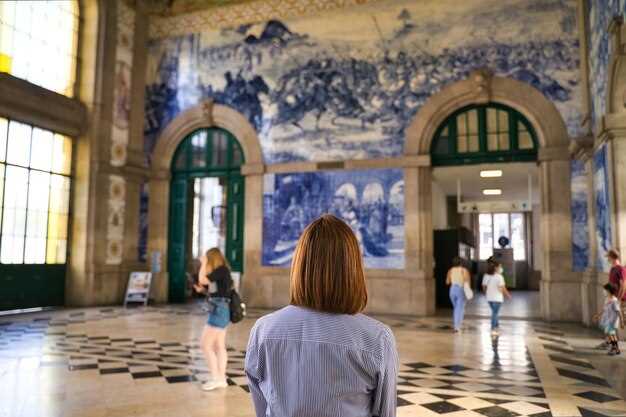
The city of Madrid stands as a vibrant tapestry of Spanish heritage and modern development, offering visitors an extraordinary opportunity to explore its impressive array of museums. Each museum plays a vital role in nurturing the cultural identity of Spain while simultaneously embracing innovative approaches to art and education. In the heart of this bustling city, one can witness the grandeur of centuries past as well as contemporary trends that shape the future of the arts.
From intricately detailed paintings by masters like Bosch to stunning ceramics that reflect Africa’s beauty, the museums of Madrid provide invaluable insights into both indigenous craftsmanship and global influences. These hidden gems, often less crowded than their more famous counterparts, showcase artworks that tell stories beyond time, drawing visitors into immersive experiences that challenge and inspire. Walking through the ornate rooms adorned with dazzling chandeliers, you will find yourself captivated by exhibits that not only celebrate creativity but also foster a dialogue regarding the evolution of art and society.
Whether you plan your visit for a relaxing afternoon, or you make the most of your morning hours, each museum has something remarkable to offer. From Mondays to Sundays, the doors remain open, inviting you to engage with their extensive collections. Join us on this journey as we explore the top five must-visit museums in Madrid – places that promise to expand your understanding of European art while becoming your favorite stops on this cultural adventure.
House-Museum of Ratoncito Pérez
The House-Museum of Ratoncito Pérez is a unique treasure nestled in the heart of Madrid, offering visitors a magical glimpse into the world of one of Spain’s beloved literary characters. This charming residence showcases the story of Ratoncito Pérez, a mouse who collects children’s lost teeth and leaves small presents in return. The atmosphere is filled with nostalgia, attracting both children and adults eager to reconnect with their childhood tales.
Just a few minutes away from the bustling city center, this delightful museum transforms a simple visit into an enchanting experience. Each room is designed to reflect the whimsical life of Ratoncito Pérez, filled with colorful decor and details that bring the narrative to life. Guests can explore the various spaces where he lived, providing a fascinating model of his daily activities and the interactions he had with the young ones.
The museum not only offers a captivating experience but also serves as an educational venue. It provides numerous options for families looking to enrich their itinerary with cultural experiences. Here, visitors can engage in workshops and storytelling sessions that highlight the importance of imagination and creativity in childhood.
Open for visits on Sundays and throughout the week, the museum has established itself as a must-see destination for anyone exploring Madrid’s artistic offerings. From 12pm onwards, guests are welcomed to immerse themselves in a world of fantasy. The museum’s location along a picturesque street makes it easy to include in a day’s itinerary of cultural exploration.
Within its walls, the museum collects a variety of content that speaks to the influence of Ratoncito Pérez in Spanish culture. The displays showcase illustrations and memorabilia that tell the story of this iconic character. Visitors will find photographs and artifacts that trace the history of the tooth fairy tradition in Spain, providing insights into how this enchanting story has evolved over time.
The impact of Ratoncito Pérez extends beyond just storytelling; he represents the creativity and imagination that inspires children. The museum incorporates elements from classic artists, including works reminiscent of the grandeur of Sorolla and Bosch, which adds depth to the overall experience. This combination of artistic influence and storytelling creates a rich visual landscape for visitors.
For those who appreciate the art of collecting, the House-Museum also features a collector’s space showcasing various teeth from around the world, each with its own fascinating story. The dedication to preserving this particular facet of culture illustrates the importance of childhood traditions and their lasting impact on society.
The House-Museum of Ratoncito Pérez is, without a doubt, a place that lives in the heart of Madrid. With every visit, guests leave with a piece of magic, an appreciation for storytelling, and a greater understanding of how traditions shape the soul of a city. Whether you are a local or a traveler, make sure to include it in your plans–it will certainly provide a beautiful experience filled with creativity and wonder.
What to Expect Inside the House-Museum
Stepping into the House-Museum, visitors are transported into a world where history and art intertwine seamlessly. The first impressive feature they encounter is the carefully curated collection of artefacts that have been gathered over centuries, offering a deep insight into the lives of the people who once resided here. Whether one is a lover of classic arts or simply curious, the exhibits provide a range of experiences that celebrate the cultural tapestry of Madrid, featuring works by iconic figures such as Velázquez and Zurbarán among others, each masterpiece holding its own story.
This residence, with its grand chandeliers and ornate rooms, serves as both a working space and a gallery, showcasing a trove of pictures that illustrate the goals and aspirations of its inhabitants. On Tuesdays and Sundays, the House-Museum can be particularly crowded, attracting a diverse public eager to explore its offerings. Here, the uniformity of historical representation meets the individuality of artistic expression, inviting visitors to reflect on the roles that art and culture play in shaping societies. As one moves from room to room, the art captures the essence of various epochs, fostering a connection to the past.
For those traveling from Latin America or elsewhere, this museum model is a gateway to understanding Madrid’s place in the wider context of global arts. The thoughtful arrangement of the space encourages people to linger and absorb the thought-provoking content presented on the pages of history. Experiencing the House-Museum is not just about viewing artefacts; it’s about engaging with the past and understanding the ties that bind different cultures together, making it a vital stop on any cultural journey.
The Story Behind Ratoncito Pérez
In the heart of Madrid, a fascinating story unfolds about a little mouse known as Ratoncito Pérez. This beloved character, often referred to as the Spanish equivalent of the Tooth Fairy, has been enchanting children for generations. The tale of Pérez originated in the late 19th century and was popularized by the author Luis Coloma, who was commissioned to write a story for the young Spanish King, Alfonso VIII, when he lost his first tooth. This sweet narrative has since become a staple in Spanish culture, intertwining with the city’s history and enchanting countless children.
Ratoncito Pérez is not just any mouse; he is a small, charming figure who, under the warm sunlight of Madrid, scurries about collecting lost teeth from sleeping kids. In exchange for these teeth, he leaves behind a small gift or coin. The legend has intricately woven itself into childhood rituals, offering children a sense of magic and excitement each time they lose a tooth. Whether children are waiting for Saturdays to leave their teeth under the pillow or discussing tales with friends, this charming narrative is a delightful part of growing up in Spain.
- Ort: Ratoncito Pérez’s story is deeply embedded in the culture of Madrid, particularly in landmarks such as the Universidad and near the famous Prado Museum, recognized worldwide for its artistic brilliance.
- Cultural Influence: The character reflects the city’s rich cultural tapestry, showcasing the blend of tradition and modern influences that define Madrid. This makes the story not only a favorite among children but also a must-see legend for tourists.
The charm of Ratoncito Pérez transcends age, making it a timeless tale. The little mouse embodies the city’s whimsical spirit, which has been a favorite theme in literature and storytelling. On Sundays, families gather to share stories about Pérez, deepening the bond between generations. It’s an engaging way to keep cultural traditions alive, showcasing how legends can change and adapt while retaining their core essence.
Despite the modern world’s advancements, the enchanting world of Ratoncito Pérez remains unmissable. It serves as a reminder of the creativity and imagination that flourish within children’s stories. As you explore the museums and landmarks of Madrid, do not forget this smaller yet immensely impactful part of the city’s cultural heritage, which continues to capture the hearts of many, just as it did when it first began over a century ago.
Interactive Exhibits for Children
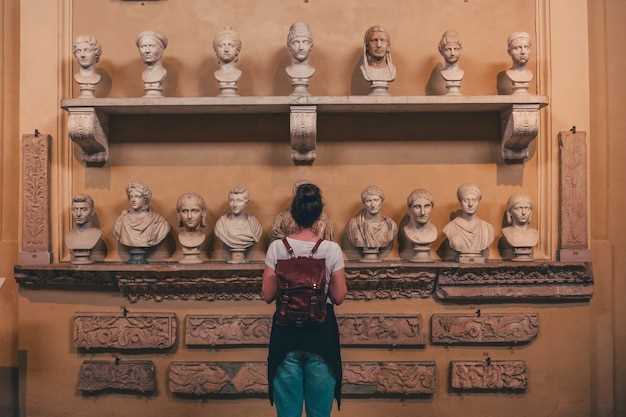
Museums in Madrid embrace the importance of engaging younger visitors through interactive exhibits that spark their imagination and creativity. These rooms are designed specifically for children, which allows them to explore art and culture in a playful environment. With several options available, families can plan their itinerary for mornings and afternoons filled with fun and learning.
One of the city’s prominent museums, the Museo del Prado, offers interactive experiences that change the way children perceive art. They can enter rooms where they can compare their own creations with works by iconic artists like Greco and Galdiano. This encourages dialogue and helps them understand artistic goals and styles, making it an inclusive experience.
- The Museo Reina Sofía features exhibits where kids can walk through installations inspired by famous paintings, such as Picasso’s “Guernica” and the vibrant works of Sorolla.
- At the Museo Thyssen-Bornemisza, children can participate in workshops themed around different art movements, allowing them to recreate pieces from the Renaissance to Western modernism.
- The National Museum of Decorative Arts presents a unique factory-like setting where children can engage with hands-on activities that relate to fashion and craftsmanship.
Saturdays often see special guided tours tailored for families, offering interactive maps that lead children on a journey through the museum’s collections. These tours not only keep children engaged but also educate them on cultural history, ensuring that their visit is both enjoyable and enriching.
Many parents doubt whether museums can hold the interest of their children, but Madrid’s institutions prove them wrong. With beautiful installations, stunning chandeliers, and child-friendly amenities, these museums create an immersive experience. Pictures taken during the visit can also serve as cherished memories, capturing the delight of exploring art together.
Overall, the interactive exhibits across Madrid’s museums provide a fantastic opportunity for children to learn about art in a playful context. Parents and young enthusiasts alike will find that these spaces not only foster creativity but also inspire a lifelong appreciation for culture and artistic expression, right at the heart of Spain’s vibrant capital.
Besuchszeiten und Eintrittspreise
Exploring Madrid’s museums is an enriching experience, and planning your visit around their hours and admission fees is essential. Most museums in the city welcome art lovers from Tuesday to Sunday. For instance, the Thyssen-Bornemisza Museum is open from 10 AM to 7 PM, except for Thursdays when it extends its hours until 10 PM, allowing visitors to immerse themselves in the iconic collections of masterpieces, including creations from Francisco Goya and Picasso. Admission fees vary, with adults usually paying around €13, while kids and students can enjoy reduced rates. It’s advisable to check the official websites for any special exhibitions that could include limited-time free admission or guided tours for a more personal experience.
Additionally, some museums, such as the Naval Museum, invite robust dialogue about Spain’s maritime heritage, offering unique insights into naval history through ornate displays. In particular, on Sundays, you could visit the Sorolla Museum for free and experience the charm of the once-private residence of the artist, complemented by its gardens that become a peaceful break from the bustling city. Together, these venues gathered the essence of innovation and tradition, making them essential for anyone seeking to understand the cultural spirit of Spain. With so many gems in the city’s museum scene, plan your visit to explore them all, ensuring that each hour spent offers something unforgettable.
| Museum | Hours | Admission Fee |
|---|---|---|
| Thyssen-Bornemisza | 10 AM – 7 PM (Thursdays until 10 PM) | €13 (discounts for kids/students) |
| Sorolla Museum | 10 AM – 8 PM (Free on Sundays) | €3 (free for kids under 18) |
| Marinemuseum | 9:30 AM – 8 PM | Kostenlos |
How to Get There: Location and Transportation Tips
Getting to Madrid’s top museums is quite easy, thanks to the city’s well-connected public transportation system. The metro is often the best option, with stations like Antón Martín and Banco de España located just minutes away from cultural hubs like the Reina Sofía and Thyssen-Bornemisza museums. For those who prefer a more leisurely journey, buses also provide a convenient way to travel between major attractions. Visitors should always check the official schedules, as depending on the time of day, some stops might have extended breaks or reduced services.
Another exciting way to explore Madrid is by taking a bike or a leisurely stroll through its beautiful streets. The city is very bike-friendly, and renting a bicycle allows visitors to discover smaller galleries or street art hidden between larger museums. As you make your way from the Museo del Prado–home to masterpieces by Rubens and Spanish artists–be sure to take the time to explore the broader cultural heritage of Madrid, including its beautiful parks and bustling squares.
For those who enjoy deeper cultural experiences, consider combining your museum visits with a walking tour that focuses on the city’s Roman heritage. Madrid is a paradise for culture lovers, offering a variety of official guided tours that can enrich your understanding of the local history. Whether you’re spending an afternoon relishing the depth of artistic collections or visiting historic residences like the Royal Palace, you will find everything beautifully housed within this vibrant city that never ceases to surprise its visitors.