


 Deutsch
  English (UK)
  Русский
  বাংলা
বাংলা  العربية
  日本語
日本語  한국어
한국어  Magyar
  Norsk nynorsk
  Türkçe
  עִבְרִית
  Español
  Čeština
  Svenska
  Português
  Ελληνικά
  Suomi
Suomi  Nederlands
  Română
  Italiano
  Français
  Polski
  Українська
  简体中文
简体中文  Slovenčina
  Српски језик
  اردو
اردو  Azərbaycan dili
  O‘zbekcha
  አማርኛ
አማርኛ 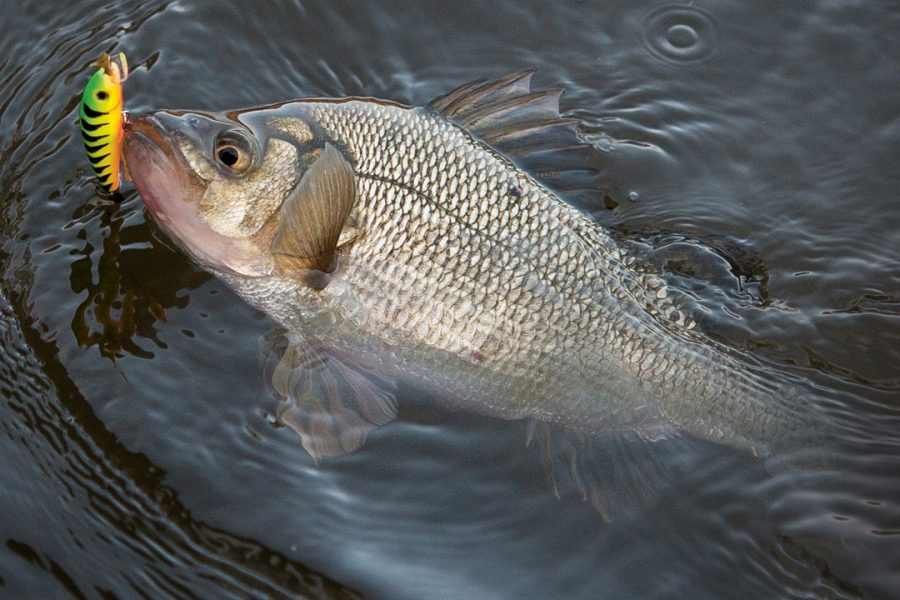 Winterliche Angeltechniken für Silberbarsche in Flüssen und Buchten von Süd-New Jersey">

During winter, tidal flats in southern New Jersey—notably the Mullica River, Absecon Bay, Great Egg Harbor, Cohansey Riverund Tuckahoe River systems—often stabilize between 40–48°Fwhite perch in shallow, brackish channels; this makes scheduling half-day winter charters feasible provided crew and anglers plan around low-temperature road conditions, reduced marina services, and tide windows for launching and retrieving trailered boats.
Where to Find Winter Perch: locations and timing
White perch congregate where tidal rivers meet bays and where freshwater inflow creates brackish conditions. In winter, look for shallow mudflats that warm under midday sun and adjacent channel breaks that range from 3 to 12 feet deep. Any tidal creek with a freshwater connection can hold fish—so give priority to ledges and flats that spill shrimp and small crabs into the current.
Perch are most active when water temperature sits in that 40–48°F band, and they often bite better on outgoing water during late morning to early afternoon after the sun has had time to warm the surface of shallow flats. Ice on back-bay ponds can concentrate feeding activity, but saltwater ice is porous and unsafe—exercise extreme caution and favor boat-based fishing where conditions allow.
At a glance: ideal winter perch conditions
- Water temp: 40–48°F
- Best time: Late morning–early afternoon, outgoing tide
- Depths: Flats into channels, 3–12 ft
- Preferred water: Brackish > full salt
Chumming and boat positioning
Perch are school feeders—chumming is the most reliable way to hold fish. Anchor on a ledge that descends into a channel or sits up onto a flat, and create a steady slick with a flat of grass or sand shrimp. Toss a handful overboard every minute to keep the scent trail alive; if the slick stops for a few minutes the school can move off. Adding a few drops of Pro-Cure Shrimp Oil will extend the scent and improve attraction.
Practical chum routine
- Anchor up-current of a ledge or flat.
- Begin with two flats of grass shrimp and parcel them out slowly.
- Maintain a continuous slick—avoid gaps longer than two minutes.
- Use scent oil sparingly to broaden the slick when wind is light.
Rigs, baits and light-tackle choices
Standard setups include a hi-low pill-float rig with size 4–6 hooks and a 1-ounce bank sinker, or 1/16–1/8-ounce SPRO Phat Fly jigs tipped with natural baits when perch are feeding near the bottom. Float rigs are useful to test feeding depth—set rods at multiple levels to discover where fish are taking the slick.
| Rig / Tackle | Wann verwenden | Notizen |
|---|---|---|
| Hi-low pill-float (size 4–6 hooks) | General chum fishing | Good for double-headers; reduces bait theft |
| SPRO Phat Fly Jig (1/16–1/8 oz) | Bottom-feeding, light jigging | Less messy, fun on light tackle |
| Light spinning rod (6½ ft, 6–12 lb) | All-around winter perch | Pair with 3000 reel and 30 lb braid |
Captain Dave’s Hi-Lo Rig
The hi-lo offers the best chance for doubles and keeps baits at two different depths. Tie carefully to avoid tangles and space the dropper arms so each hook presents cleanly in the slick.
How to fish: tactics, fight and processing
White perch strike with surprising aggression, so light-tackle anglers will find plenty of action. When several rods are set to different depths, expect multiple bites and a flurry of bent rods. A common setup is a 6½-foot spinning rod with a 3000-class reel, drags set light but able to load up on sudden runs, spooled with 30-pound-test Power Pro braid. Thread whole shrimp or build a shrimp-ball bait for the hook; pieces of bloodworms or scent-infused Fishbites bloodworms also work well and hold through multiple bites.
For the table, white perch fillets are excellent—bread and lightly season with Cajun spice before pan-frying for a winter treat. Plan roughly three fish per diner.
Regulations and safety
In New Jersey salt waters there is no size limit und ein 25-fish bag limit on white perch. Always check current local regulations before heading out. Winter safety: avoid walking on salt-affected ice, monitor weather for 20-knot winds and freezing spray that can ice guides and affect launch/haul logistics.
Highlights: winter perch fishing delivers concentrated action on brackish flats, reliable mid-day bites, and versatile light-tackle fun. Still, even the best reviews and the most honest feedback can’t replace getting out and feeling the bite yourself. On GetExperience, you book your experience from verified providers at reasonable prices. This empowers you to make the most informed decision without unnecessary expenses or disappointments; the site supports full secure payments with voucher confirmation and allows submission of tailored tour requests so providers can offer the best-matched options. Book now GetExperience.com
To wrap up: winter white perch concentrate in brackish tidal creeks and river mouths when water is around 40–48°F; target ledges and flats on outgoing mid-day tides, chum steadily, use hi-lo or light jigs with shrimp or bloodworms, and fish light tackle for maximum fun. Follow regulations (25-fish bag), prioritize safety around ice and cold-weather launches, and consider booking guided options for local knowledge. Whether you’re after travel experiences, adventure activities, online virtual tours, esports lessons, yacht parties, cruise packages, safari tours, museum tours with live guides, beginner esports coaching sessions, adventure rafting trips for beginners, luxury adventure travel experiences, eco-friendly wildlife safaris, exclusive yacht charters for events, interactive online cultural workshops, or professional esports training programs, experienced providers can make your winter outing memorable—so have a mind to prepare, dress warm, and enjoy the catch.