


 Deutsch
  English (UK)
  Русский
  বাংলা
বাংলা  العربية
  日本語
日本語  한국어
한국어  Magyar
  Norsk nynorsk
  Türkçe
  עִבְרִית
  Español
  Čeština
  Svenska
  Português
  Ελληνικά
  Suomi
Suomi  Nederlands
  Română
  Italiano
  Français
  Polski
  Українська
  简体中文
简体中文  Slovenčina
  Српски језик
  اردو
اردو  Azərbaycan dili
  O‘zbekcha
  አማርኛ
አማርኛ 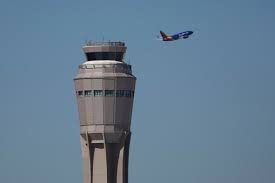 Flugverspätungen häufen sich an, da die US-Luftfahrtkontrolle mit Personalmangel inmitten anhaltender Störungen zu kämpfen hat.">

Staffing Shortages Impacting U.S. Air Traffic Flow
Flight delays have become more common at major U.S. airports due to persistent staffing shortages among air traffic controllers. This challenge is notably pronounced at hubs like Dallas, Chicago, Atlanta, and Newark, where travelers are experiencing longer wait times and disruptions to their schedules. These delays are compounded by the ongoing situation that affects the workforce’s availability and payroll.
Airports Most Affected by Staffing Gaps
The Federal Aviation Administration (FAA) recently reported that numerous delays on evening shifts stem from controllers being absent, causing a ripple effect across the airspace. Hubs such as Las Vegas and Phoenix are also likely to encounter slowdowns linked to these absences.
On a particularly rough day, over 5,800 flights were delayed nationwide, with weather conditions and events like the Formula 1 race in Austin adding to the disruption. Airlines such as American Airlines and Southwest Airlines saw more than 20% of their flights delayed during this period.
Table 1: Snapshot of Flight Delays at Key Airports
| Flughafen | Reported Flight Delay Rate | Additional Factors |
|---|---|---|
| Dallas | Significant delays during evening shifts | Staff shortages |
| Chicago | High volume of delayed flights | Staff shortages, weather |
| Atlanta | Widespread flight disruptions | Staff shortages |
| Newark | Considerable flight delays | Staff shortages |
| Las Vegas | Potential delays emerging | Anticipated controller absences |
| Phoenix | Likely delays | Anticipated controller absences |
Underlying Staffing Challenges and Their Broader Impact
The situation is rooted in a prolonged impasse that has left more than 13,000 air traffic controllers and 50,000 Transportation Security Administration (TSA) officers working without pay. This scenario has led to increased absenteeism and added pressure on remaining staff. In previous shutdowns, similar patterns caused extended wait times and forced authorities to slow air traffic, particularly in busy metropolitan areas.
Before recent staffing shortfalls, the FAA already faced a notable shortage of about 3,500 controllers, with many employees working mandatory overtime and extended weekly hours. These conditions have heightened safety and efficiency concerns and strained operations during peak travel times.
Air Traffic Control System: A Balancing Act of Safety and Efficiency
The air traffic control network coordinates aircraft movement between airports and within terminal areas, relying heavily on clear communication between pilots and controllers. To manage workloads, flow controls are employed, which often hold aircraft at their departure gates or on the ground until landing slots become available. While this reduces controller stress, it can frustrate passengers who learn about delays only after boarding.
How This Affects Travelers and Tourism
Flight delays ripple well beyond the gates, influencing travel plans, connecting flights, and the overall tourism experience. For travelers planning trips, especially those involving multiple destinations or tight connections, these staffing challenges can cause unexpected hurdles. Understanding these issues helps set expectations and encourages more flexible planning.
Managing Travel Plans Amid Disruptions
- Planen Sie im Voraus: Booking with platforms like GetExperience.com enables access to verified providers offering reliable tours and transfers, often with flexible cancellation policies.
- Request Tailored Services: Use personalized requests to receive offers best matching your needs, minimizing wasted time during travel delays.
- Be Prepared for Delays: Allocate extra time between connecting flights and reconsider rigid itineraries when disruptions are likely.
Why Personal Experience Matters in Travel
While reports and statistics provide a broad picture of the air traffic control difficulties and their effects, no summary fully conveys the traveler’s firsthand experience. A personal journey through the delays, reschedules, and workarounds gives deeper insight into the challenges faced. Booking experiences through trusted platforms like GetExperience.com provides transparency, affordability, and a broad range of additional options that enhance your overall trip. This way, you get the most informed decision possible without unnecessary costs or disappointments. Jetzt buchen unter GetExperience.com.
Looking Forward: What This Means for Travel and Tourism
The ongoing shortage of air traffic controllers spotlights the intricate balance between staffing, safety, and traveler convenience. For the tourism industry, these disruptions can affect seasonal flows and shape traveler behavior, especially regarding destination choice or mode of transport. Meanwhile, the growing demand for smooth airport operations and dependable connections emphasizes the importance of efficient air traffic management in supporting luxury adventure travel experiences, cruise packages, safari tours, and other travel adventures.
Summary Table: Key Effects of Staffing Shortages on Travelers
| Impact | Traveler Considerations |
|---|---|
| Extended flight delays | Schedule flexibility needed; plan for wait times |
| Increased airport congestion | Arrive early; prepare for longer security lines |
| Flow control delays | Possible ground holds; stay updated on flight status |
| Unpredictable staffing absences | Use travel services with adaptive options |
Abschließende Überlegungen
Air traffic control staffing shortfalls are creating tangible challenges that affect travel schedules and the broader tourism landscape. These issues underscore how critical operational staffing is to maintaining smooth, safe, and enjoyable travel experiences. However, leveraging trusted resources and flexible booking solutions helps travelers navigate these obstacles with greater confidence. From adventure rafting trips for beginners to professional esports training programs offered around the world, the travel industry continues to innovate despite disruptions. Smart preparation and reliable tour providers keep the spirit of discovery alive even amid delays and uncertainties.