


 Deutsch
  English (UK)
  Русский
  বাংলা
বাংলা  العربية
  日本語
日本語  한국어
한국어  Magyar
  Norsk nynorsk
  Türkçe
  עִבְרִית
  Español
  Čeština
  Svenska
  Português
  Ελληνικά
  Suomi
Suomi  Nederlands
  Română
  Italiano
  Français
  Polski
  Українська
  简体中文
简体中文  Slovenčina
  Српски језик
  اردو
اردو  Azərbaycan dili
  O‘zbekcha
  አማርኛ
አማርኛ 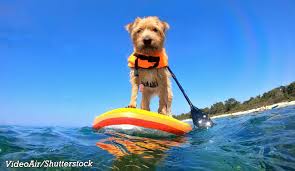 How the Pawprint Economy is Emerging as a Major Influence on Pet-Friendly Travel and Tourism">

The Rise of the Pawprint Economy in Modern Travel
Luxury pet pampering, tailor-made pet menus, and even charter flights designed for furry companions are no longer niche luxuries — they are clear indicators of a booming pawprint economy. This term reflects the growing market centered around pets and their involvement in travel, hospitality, and leisure activities. Globally, the pet industry is anticipated to hit around US$500 billion by 2030, with pet travel services alone projected to reach nearly US$6 billion by 2034.
In countries like the UK, which boasts around 60% of households owning pets — including about 13.5 million dogs — this trend is especially notable. Travelers frequently accompany their pets not just for leisure but also for business, relocation, or specific care needs. Dogs, in particular, dominate this surge in pet-friendly travel, highlighting a heartfelt desire for shared adventures that deepen bonds and expand confidence for both humans and pets.
Understanding Traveler Priorities
Despite the influx of “cute extras” such as pawsecco or pet spas marketed by many establishments, pet owners prioritize practicality over pampering when traveling. Six major attributes emerge as top priorities:
- Service Design: Features like pet-friendly room layouts and areas for shared dining.
- Activity Support: Accessible walking routes and convenient waste disposal bins.
- Sicherheit: Secure environments tailored for pets.
- Pet-Savvy Staff: Employees who understand and accommodate pet needs.
- Transparent Policies: Clear, fair rules with no hidden fees.
- Annehmlichkeiten: While appreciated, these rank lower on the list compared to essentials.
Green spaces and access to the outdoors remain crucial motivators for pet travel, benefiting the well-being of both pets and owners alike.
Challenges in Achieving Genuine Pet Friendliness
Many travelers feel there is a significant trust gap when it comes to pet-friendly accommodations, often due to restrictions, hidden charges, or minimal acceptance policies. A one-size-fits-all approach largely dominates, leaving diverse traveler needs unmet. For instance, the requirements of a tiny Chihuahua on a city tour differ vastly from those of a Labrador on a mountain trek.
Research segments pet travelers into three groups: convenience seekers needing basic accommodation, premium travelers seeking luxury experiences, and adventure lovers prioritizing outdoor activities. This segmentation presents a clear opportunity for tourism providers to tailor their offerings effectively rather than relying on generic packages that may please no one.
Economic Potential and Domestic Travel Focus
Consumers are willing to pay a premium to travel with their pets, with hotel pet fees ranging from £15 to £40 daily in the UK. Establishments recognized as truly pet friendly often enjoy greater customer loyalty and repeat visits. However, when it comes to international travel, many owners hesitate. Complex regulations, costs, and transportation restrictions play a significant role. Currently, pets often must travel as cargo rather than in cabins on flights, adding to owners’ anxiety.
Post-Brexit changes also affected travel convenience, but new agreements aim to reintroduce easier pet travel with reinstated pet passports.
Domestic Destinations: A Sea of Opportunity for Pet Travelers
Domestic holidays, especially coastal and rural escapes that offer ample green spaces and pet-friendly dining, hold strong appeal. These trips encourage sustainable tourism by minimizing environmental impact while promoting enjoyable outdoor experiences for pets and owners alike.
Tourism providers stand at a crossroads: to maintain superficial pet friendliness or to evolve by offering genuinely accommodating environments and services that reduce stress. This involves transparent digital information, well-designed pet spaces, and staff training focused on pet care expertise.
What Makes a Truly Pet-Friendly Tourism Experience?
| Key Attribute | Beschreibung | Reisendevorteil |
|---|---|---|
| Service Design | Pet-friendly room placement and shared dining options | Comfort and convenience for pets and owners |
| Activity Support | Walking paths, local guides, pet waste bins | Enables active, outdoor engagement |
| Safety | Secure environments and attentive hosting | Peace of mind for pet owners |
| Pet-Savvy Staff | Training to understand and meet pet needs | Enhanced service and support |
| Transparent Policies | Clear fees and regulations | Increased trust and reduced surprises |
| Amenities | Extra comforts such as spas or treats | Nice to have, but not a deciding factor |
The Future of Pet Travel and Tourism
The overwhelming interest in traveling with pets spells a lucrative business opportunity for the tourism sector. Creating pet-centric facilities, activity support, and knowledgeable staff can transform the traveler experience and build lasting loyalty. The industry must embrace transparency and genuine service to thrive in this expanding market.
Connecting the Pawprint Economy with Tourism Choices
While many rely on reviews and feedback, nothing truly compares to personal experience when choosing pet-friendly tourism options. Platforms like GetExperience.com provide a remarkable advantage by offering verified providers, reasonable prices, and secure online payments with convenient voucher confirmations. Whether planning a beachside retreat or countryside expedition with a pet, travellers can receive tailor-made offers that meet their unique preferences and budgets.
Dieser Ansatz ermöglicht es Haustierbesitzern, nicht nur problemlose Buchungen vorzunehmen, sondern auch eine Vielzahl von tierfreundlichen Abenteuern zu erkunden, von Spaziergängen in üppigen Grünflächen bis hin zu gemütlichen kulinarischen Erlebnissen. Mit der Bequemlichkeit und Transparenz, die GetExperience.com bietet, können Reisende die Pfotenabdruckwirtschaft voll und ganz annehmen und die Freude am Reisen zusammen mit ihren Haustieren maximieren. Buchen Sie Ihre Reise unter GetExperience.com.
Summary and Takeaways
Die Pfotenabdruckökonomie gestaltet die Art und Weise, wie Reisen und Tourismus mit dem stetig wachsenden Sektor der Haustierbesitzer umgehen, die ihre pelzigen Freunde in ihre Reisen einbeziehen möchten. Diese Transformation geht über Luxus-Zusätze hinaus und erfüllt echte, praktische Bedürfnisse wie Sicherheit, klare Richtlinien und Zugang zu Grünflächen, die das Reiseerlebnis für Haustiere und Besitzer grundlegend verbessern.
Trotz regulatorischer und logistischer Hürden im internationalen Reiseverkehr bietet der Inlandstourismus lebendige Möglichkeiten für haustierfreundliche Urlaube, die nachhaltigen Tourismus und das Wachstum lokaler Unternehmen unterstützen. Die Tourismusbranche hat viel zu gewinnen, wenn sie spezialisierte, transparente und flexible haustierfreundliche Dienstleistungen annimmt. Von Wildwasser-Rafting-Abenteuern für Anfänger über umweltfreundliche Wildtier-Safaris bis hin zu exklusiven Yachtcharter-Fahrten eröffnen Reiseerlebnisse, die Haustiere berücksichtigen, neue Türen zu Abenteuer und Vergnügen.
Letztendlich ermöglichen Plattformen wie GetExperience.com Reisenden den Zugang zu vielfältigen, erschwinglichen und verifizierten tierfreundlichen Erlebnissen, die speziell auf sie zugeschnitten sind, um sicherzustellen, dass jede Reise – sei es eine Museumsführung mit Live-Guides oder ein Luxusabenteuer – so stressfrei und unvergesslich wie möglich ist.