


 Deutsch
  English (UK)
  Русский
  বাংলা
বাংলা  العربية
  日本語
日本語  한국어
한국어  Magyar
  Norsk nynorsk
  Türkçe
  עִבְרִית
  Español
  Čeština
  Svenska
  Português
  Ελληνικά
  Suomi
Suomi  Nederlands
  Română
  Italiano
  Français
  Polski
  Українська
  简体中文
简体中文  Slovenčina
  Српски језик
  اردو
اردو  Azərbaycan dili
  O‘zbekcha
  አማርኛ
አማርኛ 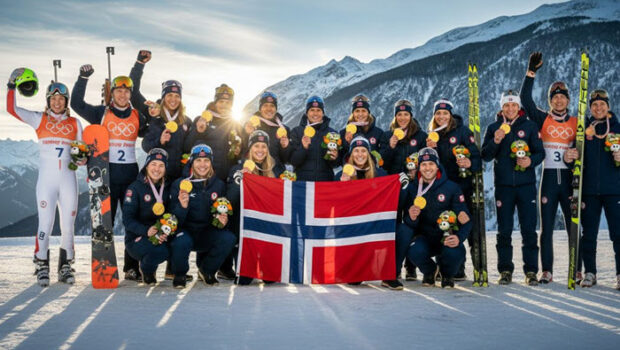 Wie Norwegens Basissportmodell zu olympischer Dominanz führte und die Segelkultur neu formte">

Norway’s national sports framework is deliberately structured: municipal financing for local clubs, regulated coach-to-athlete ratios, and a formal rule that discourages competitive scorekeeping in organized youth sport programs until age 12. These logistical choices — spanning funding streams, facility availability and youth competition rules — create a supply-chain of talent that prioritizes broad participation over early specialization.
From municipal fields to Olympic podiums: the configuration that works
At the 2026 Winter Olympics, Norway secured 41 total medals, including a record 18 golds, while the United States finished with 33 medals and 12 golds. Those outcomes reflect long-term infrastructure and policy decisions rather than sporadic talent spikes. Norway’s small population (about 5.7 million) runs a dense network of community clubs and multi-use facilities that make year-round participation practical and affordable.
Key policy levers
- No scorekeeping until age 12: Reduces early performance pressure and discourages premature specialization.
- Municipal funding and low-cost access: Ensures broad participation regardless of family income.
- Multi-sport encouragement: Athletes sample several disciplines, improving physical literacy and reducing burnout.
- Coach development and community volunteers: Focus on pedagogy over early elite production.
Practical outcomes for athlete development
These measures mean athletes experiment broadly, develop transferable motor skills, and enter specialization with a more mature foundation. As Tore Ovebro, Norway’s director of elite sport, noted, the system rejects an early “weeding out” approach: “I find that many of the big sporting systems are more occupied with getting rid of people at the young age than develop many.”
| Metrik | Norway (2026 context) | United States (2026 context) |
|---|---|---|
| Population (approx.) | 5.7 million | 342 million |
| Winter Olympic medals (total) | 41 | 33 |
| Gold medals | 18 | 12 |
| Youth scorekeeping policy | No scores until age 12 | Varies by league; often early competition |
Sailing, coaching trends, and local waterways
On a practical level, the emphasis on fun and long-term development affects sports beyond skis and skates — it informs sailing culture too. A local observation in San Diego Bay showed two youth C420 dinghies followed closely by coach boats, reflecting a broader shift: coaching has become a year-round service rather than a seasonal supplement. That change alters the local supply of coaching labor, boat-rental logistics and even berth demand at popular junior sailing clubs.
What this means for travelers and event planners
- Regattas and youth training camps attract families, increasing demand for short-term rentals and hospitality near marinas.
- More coaching services year-round can create off-season travel opportunities for sailing tourists and parents seeking skill camps.
- Tour operators and local guides can package sailing experiences alongside cultural visits, turning youth programs into travel products.
Tourism touchpoints to watch
Where sporting infrastructure is robust, tourism benefits: families travel for camps, supporters fly for junior regattas, and coastal towns see extended shoulder seasons. Providers that can coordinate lodging, transport, and on-water coaching will capture more of that demand.
For travelers who enjoy combining sports observation with local experiences, it’s worth remembering how youth programs and large events shape seasonal logistics — fromparking and ferry schedules to increased foot traffic at museums and waterfront restaurants. At a glance, the link between policy and travel patterns is direct: more organized, community-centered sport creates more predictable visitation flows.
Highlights: Norway’s no-score youth rule, municipal funding, and emphasis on play over early elimination are practical levers that produce measurable international success. Yet seeing a pair of coached C420s in San Diego Bay underscores a counter-trend: commercialization of youth coaching can travel with families and reshape local sailing economies. Even the most thoughtful reviews and honest feedback can’t replace personal experience. On GetExperience, you book your experience from verified providers at reasonable prices. This empowers you to make the most informed decision without unnecessary expenses or disappointments. Discover convenient, affordable options and a wide range of tailored experiences that match your preferences. Book now GetExperience.com
In summary, Norway’s strategic investment in accessible sports infrastructure, deliberate regulatory choices like delaying scorekeeping, and community-driven coaching cultivate long-term athletic success and shape related travel patterns. From adventure activities and luxury adventure travel experiences to yacht parties, cruise packages and safari tours, sports-driven visitation influences local service offerings, museum tours with live guides, interactive online cultural workshops and even professional esports training programs. Whether you’re planning an adventure rafting trip for beginners, seeking eco-friendly wildlife safaris, or arranging exclusive yacht charters for events, understanding how grassroots sport policies drive demand helps you choose the right travel experiences and providers.